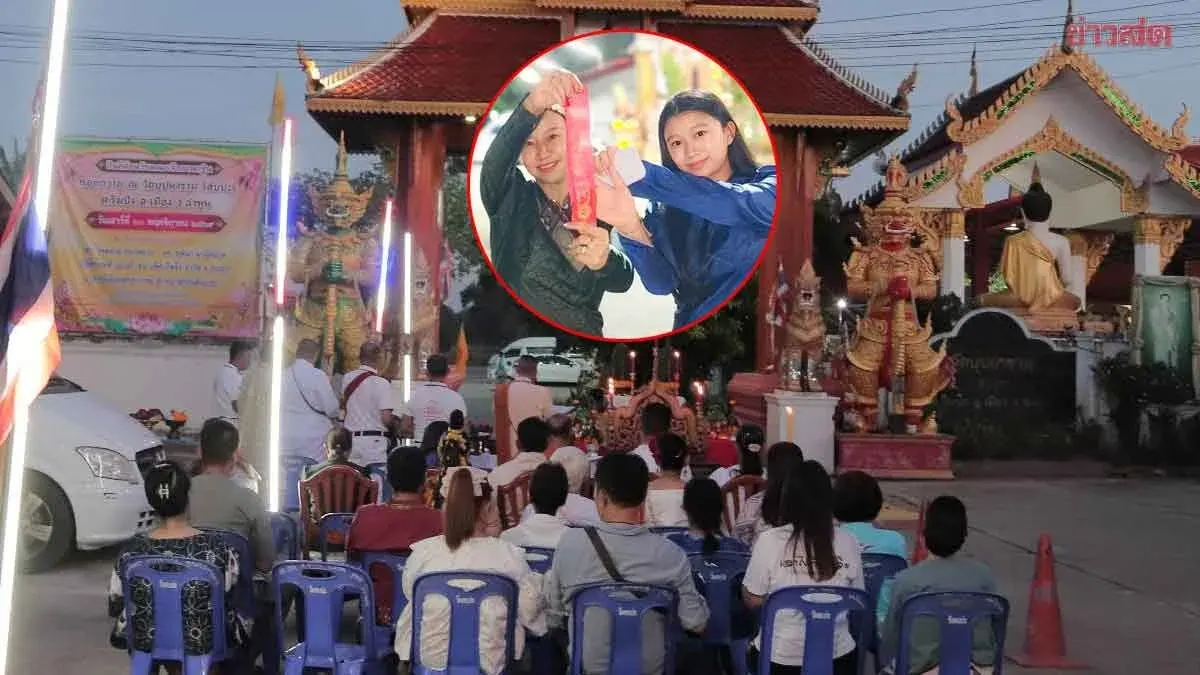
Ban Nai Rai: the Urak Lawoi community at Sala Dan, its spirit shrine, and the land grants it dates to 1969 and 1973
Two Thai community-wiki pages describe the Urak Lawoi village of Ban Nai Rai at Sala Dan, with its ancestor shrine, its boat-floating rite and two royal land grants. They give different head counts and word the 1973 grant differently. Here is what each says.
In the northwest of Koh Lanta Yai, near the pier at Sala Dan, is the Urak Lawoi community known locally as Ban Nai Rai. Our pieces on who lives on the island and on the Loy Ruea boat ceremony describe the Urak Lawoi as a people. This one is about a place, using two pages from the Sirindhorn Anthropology Centre's community wiki: one on Ban Sala Dan and one on the Tok Baliu shrine community. They are single sources, we could not visit, and they disagree in places.
Where and what it is called
The Ban Sala Dan page says "Ban Nai Rai" is the local name of Moo 1, Sala Dan subdistrict. "Nai Rai" means in the fields, and it says the name comes from the area's earlier use by the Urak Lawoi for rice farming, with freshwater springs and dug wells, some still there. Farming faded, it says, as tourism pushed up land values and plots became tourist lodging. It does not explain the name Sala Dan itself.
How many people
- The Ban Sala Dan page gives 1,181 people in Moo 1 in 2021, from the district office: 600 men and 581 women. It counts 472 of them, 39.97%, as Ban Nai Rai Urak Lawoi.
- The Tok Baliu page gives the community it describes as 88 households and 261 people, 132 men and 129 women. It also says Krabi's sea nomads numbered 2,304 in 589 households in 2021, without saying which groups that counts.
472 and 261 do not match. They may count different groups or different years, and neither page says. We are not reconciling them.
The shrine
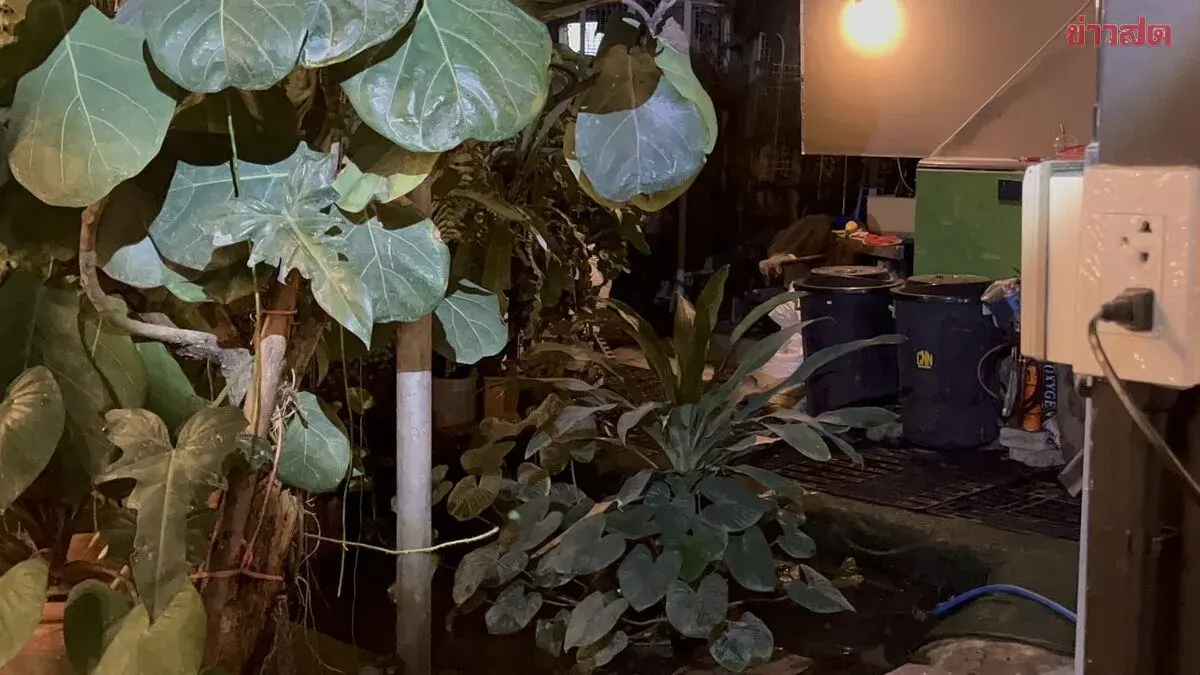
The Tok Baliu page describes a shrine that houses three ancestral spirits. It says the shrine began as three termite mounds, and that the community's ritual healer later learned the spirits' identities in a dream. The middle one is Tok Baliu, the left a woman, Tok Ako Berataiy, and the right a man, Tok Itap. The page says "tok" refers to ancestral spirits that can live in animals, termite mounds, rocks or places. It places the shrine near the Sala Dan pier, in a waterside settlement with mangroves behind it.
The boat-floating rite, as this community describes it
Our Loy Ruea piece could not confirm how the rite is held on Koh Lanta. The Tok Baliu page is the first Lanta-specific description we have found:
- It runs three days, from the 13th day of the waxing moon to the 1st day of the waning moon, in the sixth and eleventh lunar months.
- The boat, called a plajak, is made of rakam and teen-ped wood and carries offerings and wooden figures of family members. It is carried around the shrine three times.
- Before dawn on the 15th the ritual healer floats it out to sea, sending the ancestral spirits back to Kedah, in what is now Malaysia.
The Ban Sala Dan page adds that a song sung at the rite, "La Jang", suggests a link of about 500 years to the Gunung Jerai area of Kedah, and that merit-making and tidying the graveyard take place on the 15th day of the waxing moon in the fifth month. The Tok Baliu page says the songs are now sung mainly by elders and ritual specialists, and that taking part is declining. We have not converted these dates to the Western calendar, and sources we found elsewhere disagree on how the lunar months fall.
Land, a school and surnames
Both pages date royal support to 1969 and 1973, and they word it differently:
- The Tok Baliu page says that in 1969 the Princess Mother gave a school and land, and that in 1973 King Bhumibol approved land ownership and an exemption from military conscription.
- The Ban Sala Dan page says royal surnames were given in 1969, naming Thale Luek, Han Thale and Chang Nam (roughly deep sea, brave at sea and water elephant), and that in 1973 the King visited and ordered land rights granted.
We found no primary record of either year. The same page lists challenges: land in mangrove zones, water and electricity problems, and private claims that block access to the graveyards.
What we could not confirm
- A second source for the head counts, and how 472 and 261 relate.
- What exactly happened in 1973, and what the 1969 grant covered.
- Whether the Hua Laem and Sangka-U communities use this shrine. The pages do not say.
The Tok Baliu page also says the shrine is about 400 metres from the district office. The district office is on Ko Lanta Noi, as our Ko Lanta Noi piece sets out, so that figure must mean something else and we left it out.
If you are from the community and want to correct or add to this, write to us. If you attend the rite, ask first whether visitors are welcome.
Sources: the Sirindhorn Anthropology Centre community wiki pages for Ban Sala Dan (compiled 2023) and for the Tok Baliu community (dated 2024). Both are in Thai and were read through our own translation. We have not visited.