Bangkok Expands EV Charging Network for 2050 Carbon Neutrality
Bangkok opened Thailand's most powerful EV charging station as part of a public-private partnership aimed at achieving carbon neutrality by 2050, with transport sector emissions cuts playing a crucial role in the city's climate strategy.
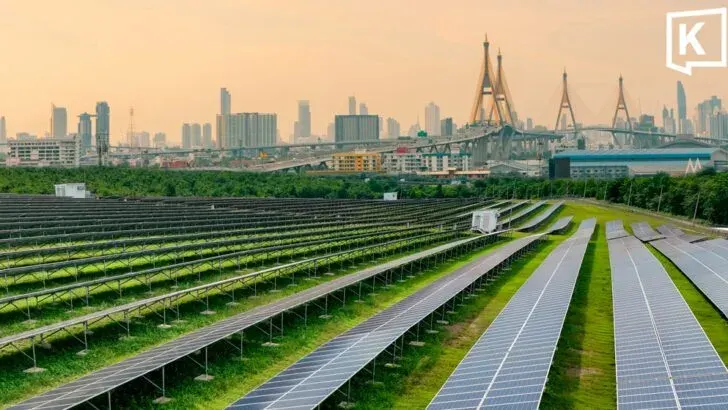
Bangkok Metropolitan Administration (BMA) has partnered with the private sector to expand electric vehicle charging infrastructure as part of its commitment to achieve carbon neutrality by 2050.
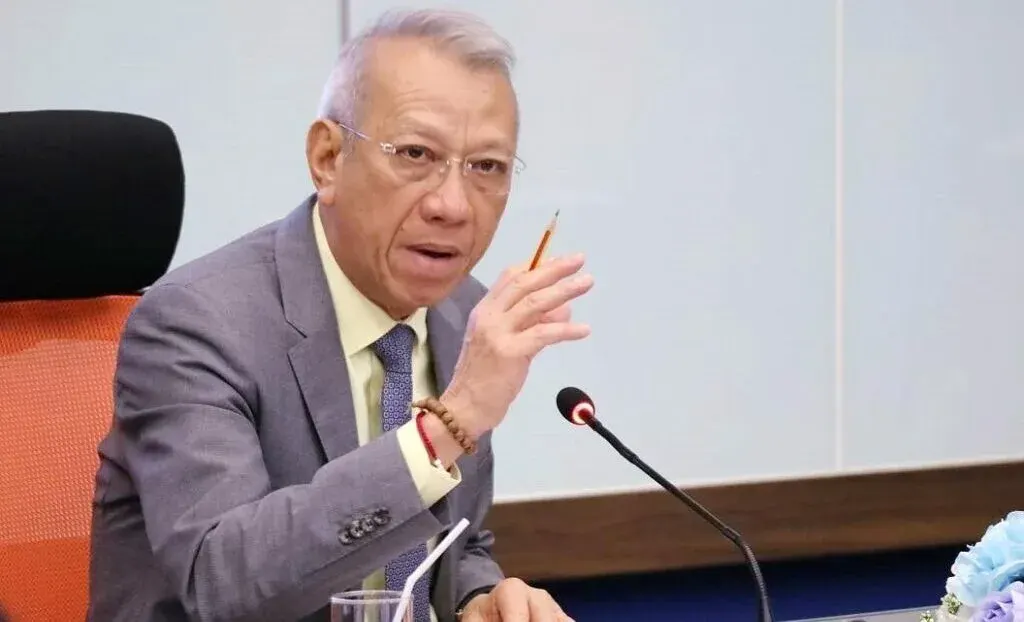
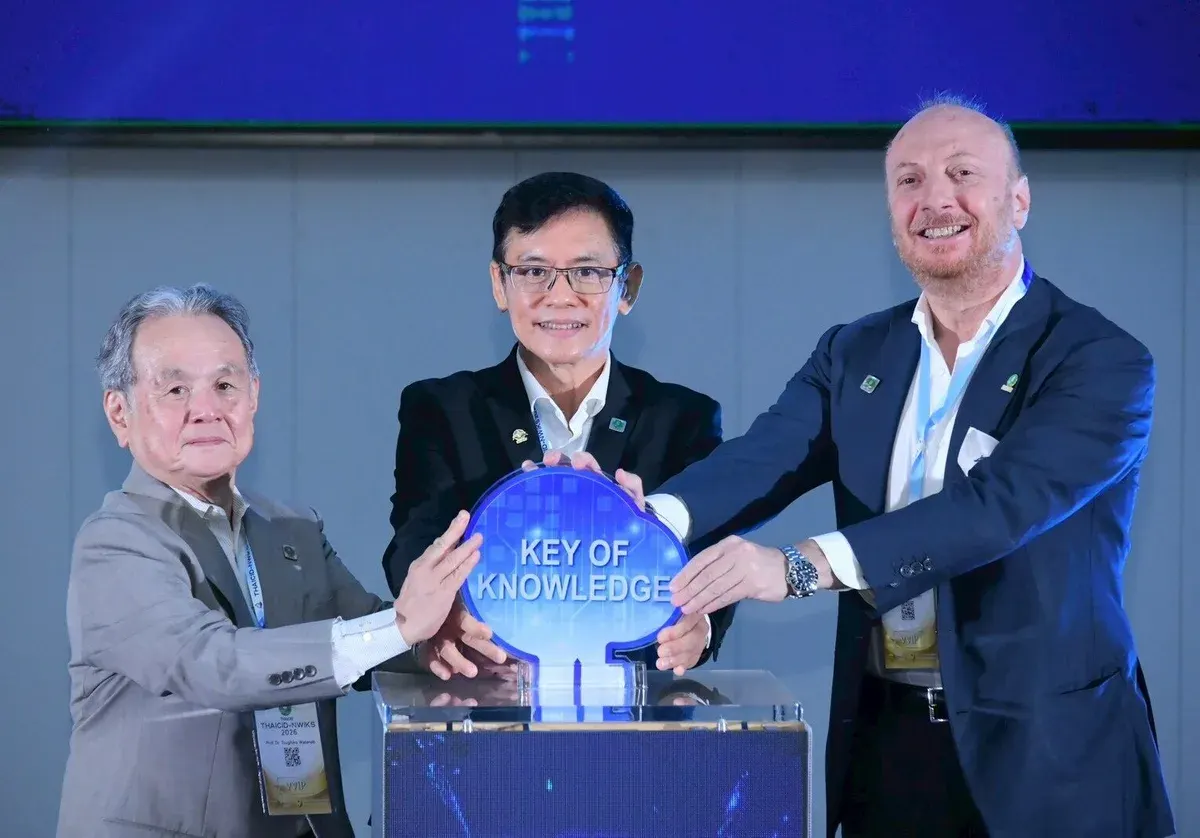
On July 8, 2026, at Zeekr House Charoen Nakhon in Thon Buri district, Deputy Bangkok Governor's Office Permanent Secretary Lertlak Leelarueangsang attended a press conference and co-chaired the opening ceremony of a new EV charging station. She delivered a keynote address titled "Sustainable Mobility for Carbon-Free Future." Executives from the Electricity Generating Authority of Thailand (EGAT), TPM Group, Zeekr Thailand, and representatives from government agencies and private companies also participated.
Lertlak emphasized that the BMA has prioritized sustainable urban development and climate action through its Climate Change Master Plan. The city has introduced major initiatives including the Bangkok Energy Action Plan and the Waste and Wastewater Action Plan to achieve significant reductions in greenhouse gas emissions.
Bangkok aims to achieve Net Zero emissions by 2050, with an interim target of reducing greenhouse gas emissions by 49% by 2030—equivalent to approximately 10.15 million tonnes of carbon dioxide equivalent. The strategy focuses on four key sectors: energy, transportation, waste and wastewater management, and green urban development.
The transport sector offers the greatest opportunity for emissions reduction, accounting for up to 39% of the city's overall reduction target. Promoting electric vehicles is therefore critical to reducing air pollution, cutting greenhouse gas emissions, and improving residents' quality of life.
The BMA continues to advance clean-energy transportation through initiatives such as the BMA Feeder electric bus service, which connects with mass transit routes, and electric passenger boats operating on Khlong Saen Saep. The city is also gradually replacing government vehicles with EVs to model low-carbon public sector operations.
Lertlak stated that the new charging station represents a significant milestone in public-private cooperation to strengthen EV infrastructure. The project is expected to enhance convenience for EV users, boost consumer confidence, support Thailand's electric vehicle industry growth, and help transform Bangkok into a sustainable low-carbon city.
"The BMA is committed to working with government agencies, the private sector and the public to develop cleaner transport systems, improve energy efficiency, embrace future technologies and enhance people's quality of life while achieving Bangkok's Net Zero goal by 2050," she said.
The newly opened ZEEKR Power TPM 960 Ultra Fast Charging station is located at the Bukkhalo intersection on Charoen Nakhon Road. With 960-kilowatt charging capacity, it is Thailand's most powerful EV charging station.