BOI Secures $23.5bn Advanced Materials Investment to Boost Thailand Hub
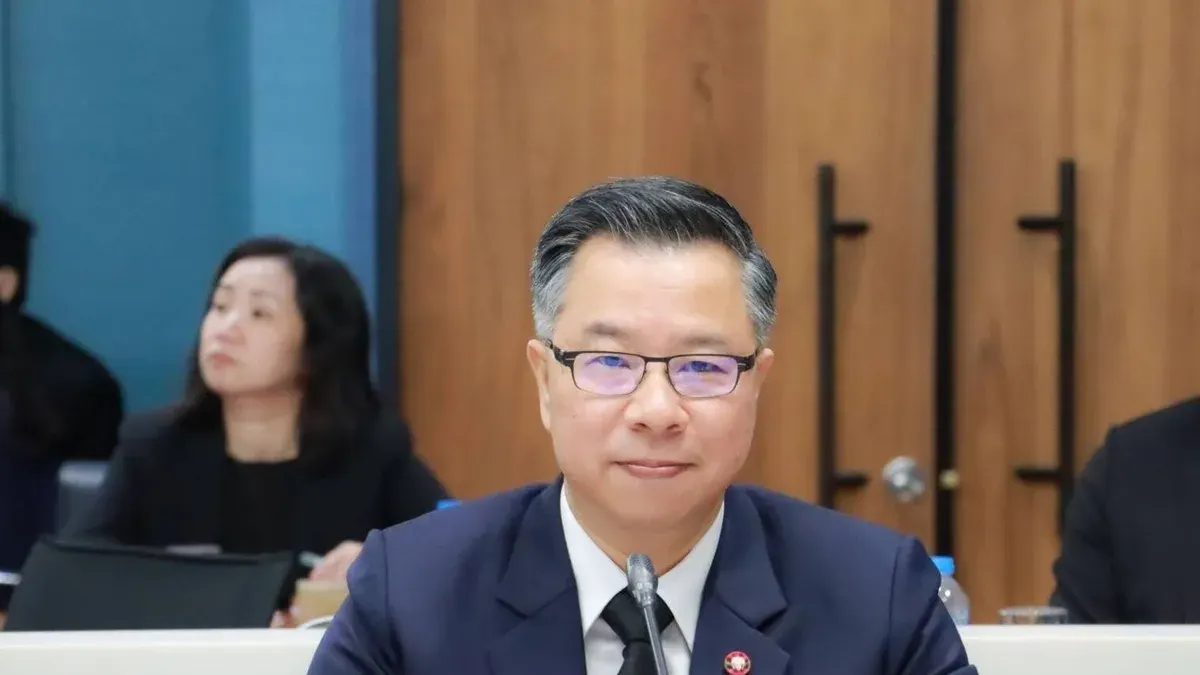
The Board of Investment reports 35 advanced‑material projects worth over 23.5 billion baht, spanning nanomaterials, high‑performance components and special fibres. The investments target electronics, AI, electric vehicles and clean energy, aiming to cut import dependence and make Thailand a regional hub. BOI Secretary‑General Nirat Themsatheesak said the materials are vital for future industries.
The BOI highlights that the electronics sector is attracting investment in multilayer ceramic chip capacitors (MLCCs), essential components in everything from smartphones to high‑end AI servers that may require up to 30,000 MLCCs per unit. Thailand serves as a production base for major players such as Murata Electronics, the world’s largest MLCC manufacturer with over 35 % market share, and Kyocera AVX Components, the leading producer of tantalum capacitors.
At the same time, Jones Tech is investing in synthetic and natural graphite films and machined graphite parts that conduct and dissipate heat in electronic devices, reflecting the growing opportunity for Thailand to supply high‑performance components driven by technological advancement.
In the fibre and fabric segment, companies are investing in raw materials for printed circuit boards and advanced electronics. Fultech Fibre Glass of Taiwan manufactures glass‑fibre sheets for PCBs, including high‑performance versions for AI servers. Pamica (Thailand) produces quartz‑fibre yarn and fabric for electronic applications, while Siamax Composite supplies fibreglass fabric for electronics, strengthening the upstream PCB supply chain domestically.
For the electric‑vehicle, battery and clean‑energy fields, investment is flowing into several key materials. BGN Thailand produces aluminium and copper sheets coated with carbon, as well as ceramic‑ and carbon‑coated foil for lithium‑ion battery systems. Finnis Welmenufacturing focuses on neodymium magnets and motor components. Shinyuan Graphite supplies expanded graphite for lithium‑ion batteries and bipolar plates, a critical part of battery technology.
Overall, the BOI says these 35 projects, with combined investment exceeding 23.5 billion baht, will reduce Thailand’s reliance on imports, enable local firms to move up the value chain, and position the country as a regional hub for advanced materials.