Luang Pho Sai Tissaro, the respected abbot of Wat Chong Lom in Uttaradit province from 1919 until his death in 1948, was a Buddhist scholar and community leader who expanded the temple's facilities and created blessed amulets that gained de
Phra Kru Nikrom Dhammaraks, known as Luang Pho Sai Tissaro, was the former abbot of Wat Chong Lom in Uttaradit province and a renowned Buddhist teacher. Beyond managing and developing the temple, he led community development initiatives and provided assistance to those in need while maintaining a strict commitment to teaching virtue and the Buddhist path. Whatever he undertook received the wholehearted cooperation of the community, ensuring success.
Born on Sunday, February 11, 1893, as Sai Thiphayavong, the fifth child of Khun Nikrom Raksak and Nang Thaen Thiphayavong in Ban Hong Hia, Hat Ngiao subdistrict, Uttaradit, he came from a family of seven children. In his youth, he was handsome, dignified, tall and refined with clear complexion, good character, peaceful in manner, and always showed compassion to others.
Before ordination, he studied under Luang Pho Hob at Wat Samakkhi Yaram and became proficient in Thai and Khmer languages, which he applied effectively to Buddhist scholarship. After leaving the temple temporarily to support his parents through farming, he ordained as a novice at age sixteen under Phra Athikan Kong, the abbot of Wat Chong Lom, on May 7, 1909.
At age twenty, he received full ordination at Wat Chong Lom on May 8, 1913, receiving the monastic name Tissaro. He devoted himself to monastic discipline and studied under his preceptor at Wat Kumphir Thong for four years before moving to practice at other temples including Wat Doi Kaew and Wat Hat Ngiao, where he studied extensively with Luang Pho Hob. Later, he transferred to Wat Chong Lom.
Phra Kru Wichian Panya Mahamuni, the provincial ecclesiastical chief of Uttaradit and abbot of Wat Tha Thanon at that time, recognized his virtues and appointed him abbot of Wat Chong Lom on February 1, 1919. As abbot, he devoted himself to constructing and renovating temple buildings and facilities, including the sermon hall, ordination hall, chedi enshrining Buddha relics, temple walls, and two schools—the Buddhist studies school and Wat Chong Lom municipal school. He also oversaw renovations at Wat Hat Ngiao, Wat Samakkhi Yaram, and Wat Doi Tha Sao.
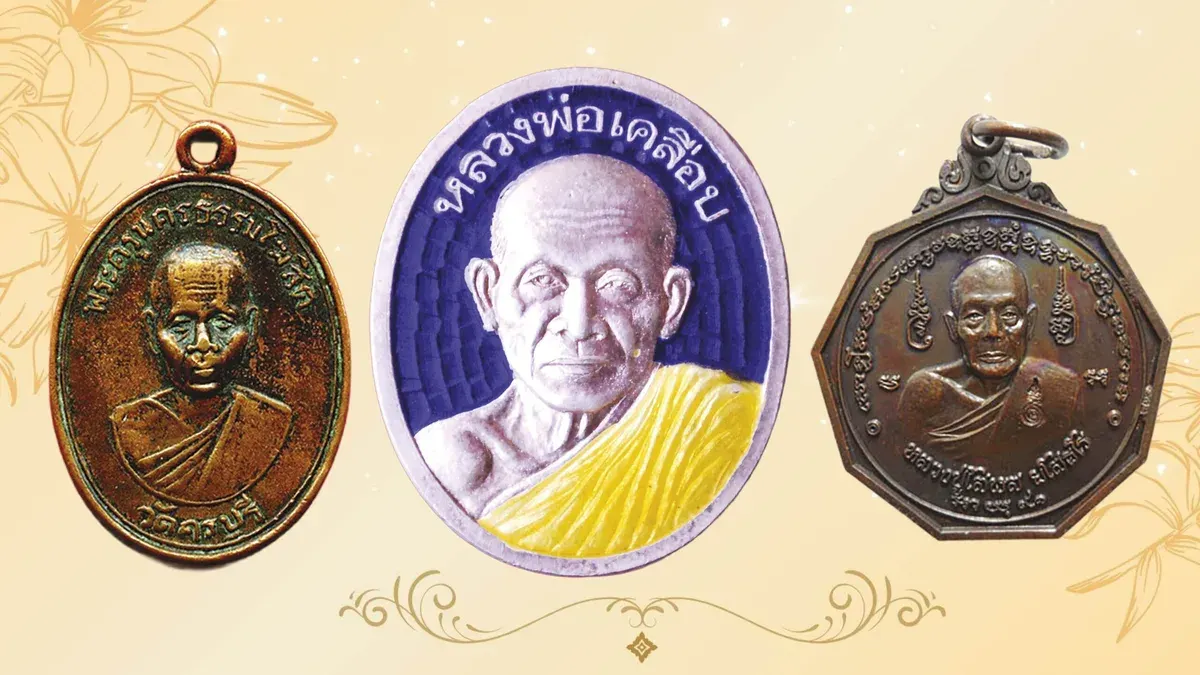
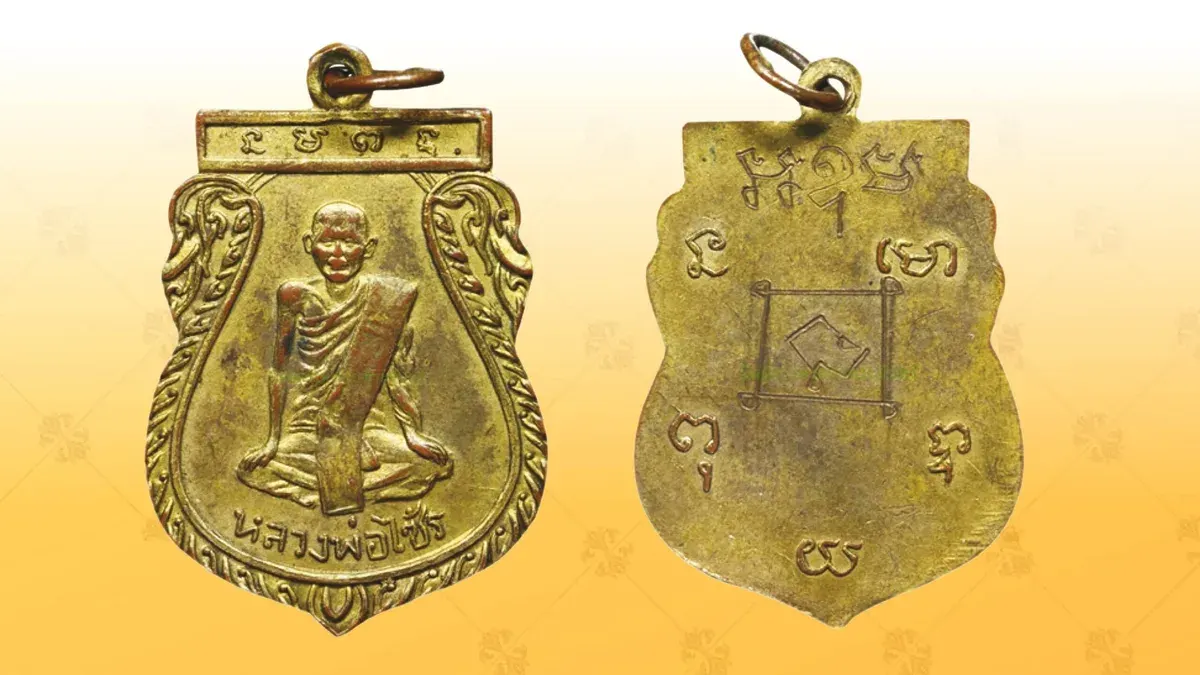
In 1941, as Thailand entered the Indochina War and World War II, local residents sought protective amulets and religious objects. He commissioned the creation of clay amulets mixed with herbal materials and consecrated them with Buddhist chants believed to reflect harmful intentions back to their source. Funds from donations to these amulets were used to fund temple construction and renovation. He crafted blessed objects known for their powerful effects, evident to disciples and laypeople alike, even attracting devotion from followers of other faiths who wore his amulets and talismans.
He was compassionate and impartial, with a broad heart and gentle speech. He passed away peacefully on October 17, 1948.