Cabinet Removes Singing Bird Species from Protected Wildlife List
Thailand's Cabinet removed the Eared Pita singing bird from its protected wildlife list to allow easier breeding and promote bird-singing culture and income generation, particularly in the south, while pledging to monitor wild populations f
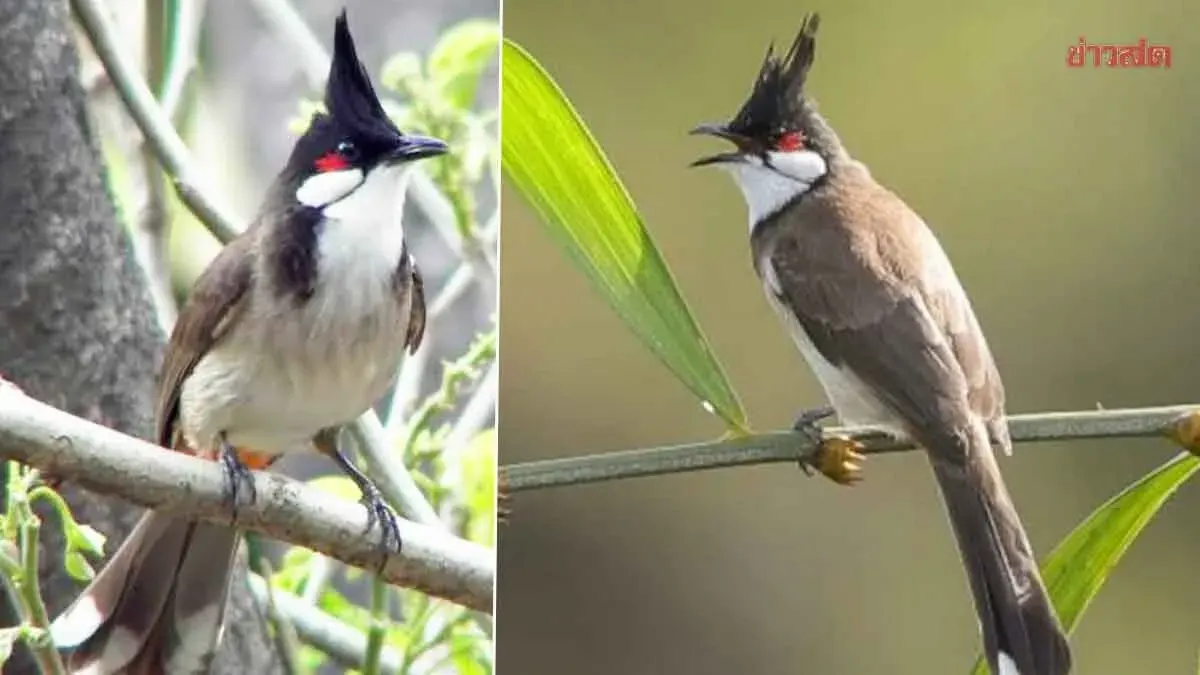
On July 21, 2569, at Government House, Deputy Government Spokesperson Lalida Perischvivat announced that the Cabinet approved in principle a draft ministerial regulation on protected wildlife species as proposed by the Natural Resources and Environment Ministry.
The key provision removes the Eared Pita, also known as the Crested Finch, from the protected wildlife list to support breeding and propagation in line with current conditions and promote it as an economic animal generating income for the public.
Perischvivat stated that the Eared Pita is currently listed as a protected non-aquatic bird species (item 576), requiring keepers, breeders, and traders to obtain legal permits and meet specified qualifications and conditions, which restricts widespread breeding and population expansion.
This status change aims to allow people to more easily breed and propagate the bird, increase populations through captive breeding to replace wild capture and hunting, develop it into economic activity generating income for breeders, and support the preservation of community traditions and bird-singing culture and competitions, particularly in southern Thailand.
The Wildlife Conservation Committee approved the delisting and directed the Department of National Parks, Wildlife and Plant Conservation to closely monitor the species' status and wild populations. If populations decline or face breeding and extinction risks, the matter will be reconsidered for re-protection.
Perischvivat added that the Natural Resources and Environment Ministry received public comments on the draft regulation through the legal portal and the department's website from February 11-25, 2569, with most opinions supporting the approach. Relevant agencies had no objections and saw it as creating additional economic value and income for breeders.
"This status adjustment of the Eared Pita creates a balance between promoting community livelihoods and economics while conserving natural resources," Perischvivat said. "The government will support responsible breeding alongside continuous monitoring of wild bird populations to prevent ecosystem damage and prevent increased wild capture and hunting."