Chiang Rai Rice Tests Clear of Excess Arsenic
Chiang Rai authorities and Rajamangala University of Technology Lanna tested 10 rice samples from the Sai and Ruak river basins, finding all samples met international Codex standards for arsenic levels. The testing followed previous reports of contamination in the area. Officials plan ongoing monitoring to ensure rice safety for consumers and farmers.
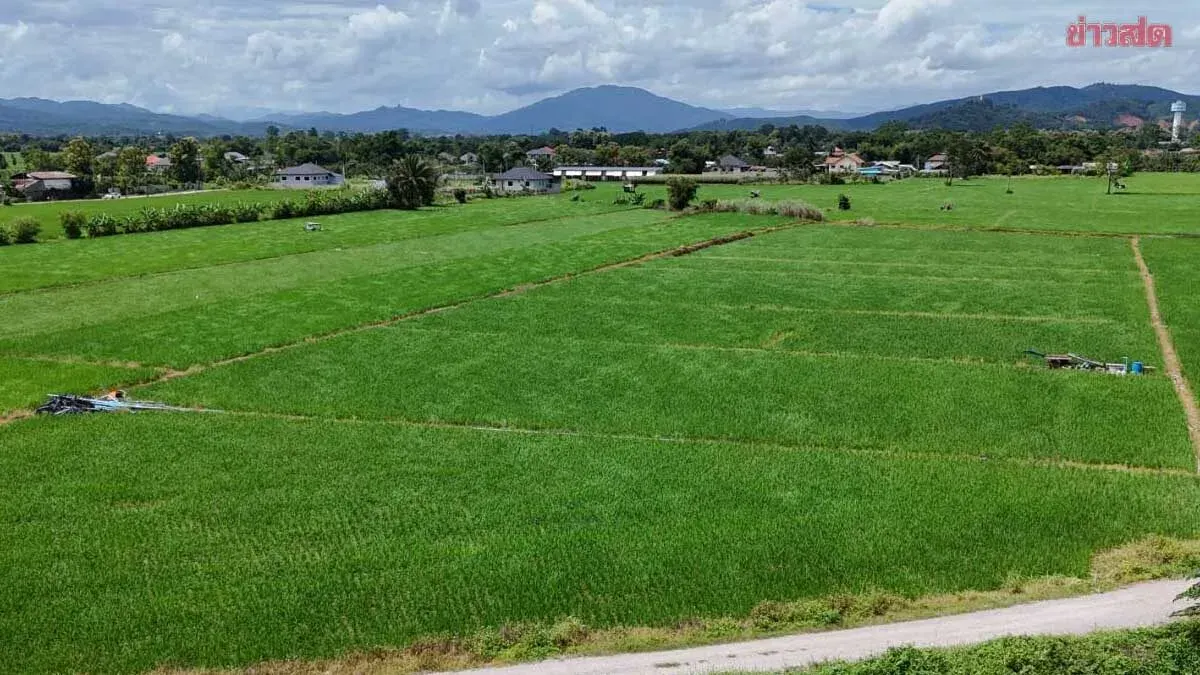
On November 20, 2026, Chiang Rai Province, in collaboration with the Faculty of Science and Agricultural Technology at Rajamangala University of Technology Lanna (RMUTL) Chiang Rai, released analysis results for contaminant levels in rice grains from farmers in Mae Sai District (subdistricts Ko Chang, Wiang Phang Kham, Si Mueang Chum) and Chiang Saen District (subdistrict Si Don Mun). These areas use water from the Sai and Ruak river basins, where arsenic levels exceeding standards had previously been reported.
Asst. Prof. Dr. Subin Jai-ta, Head of the Scientific Instruments and Services Unit at RMUTL Chiang Rai, disclosed that on November 17, a research team joined the Chiang Rai Deputy Governor, Provincial Commerce Office, Provincial Agriculture Office, and the Chiang Rai Rice Mill Club to randomly collect 10 rice samples (7 white rice, 3 brown rice) and one soil sample from the Mae Sai Agricultural Cooperative Limited, Si Mueang Chum Branch. Samples were analyzed in a laboratory following Codex standards, the international food safety benchmark.
Results released on November 19 confirmed that all 10 rice samples 'passed all Codex standard criteria' (the standard sets maximum inorganic arsenic at 0.35 mg/kg for brown rice and 0.20 mg/kg for white rice). The research team and rice-sector agencies will continue random sampling to reinforce safety and build maximum confidence among rice mills, farmers, and consumers.