Energy Ministry Cracks Down on Illegal Oil Trafficking Network
Authorities cracked down on a major oil trafficking ring in Kanchanaburi that used nail salons as fronts to illegally divert approximately 800,000 liters of fuel valued at over 28 million baht from the official system.
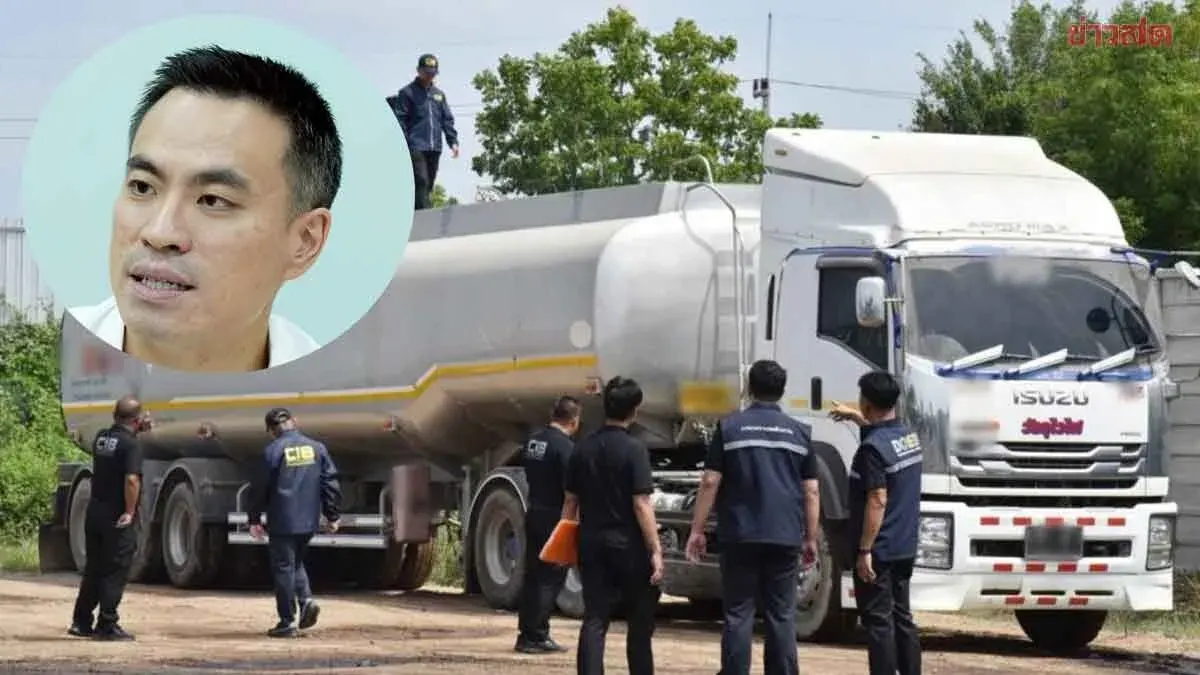
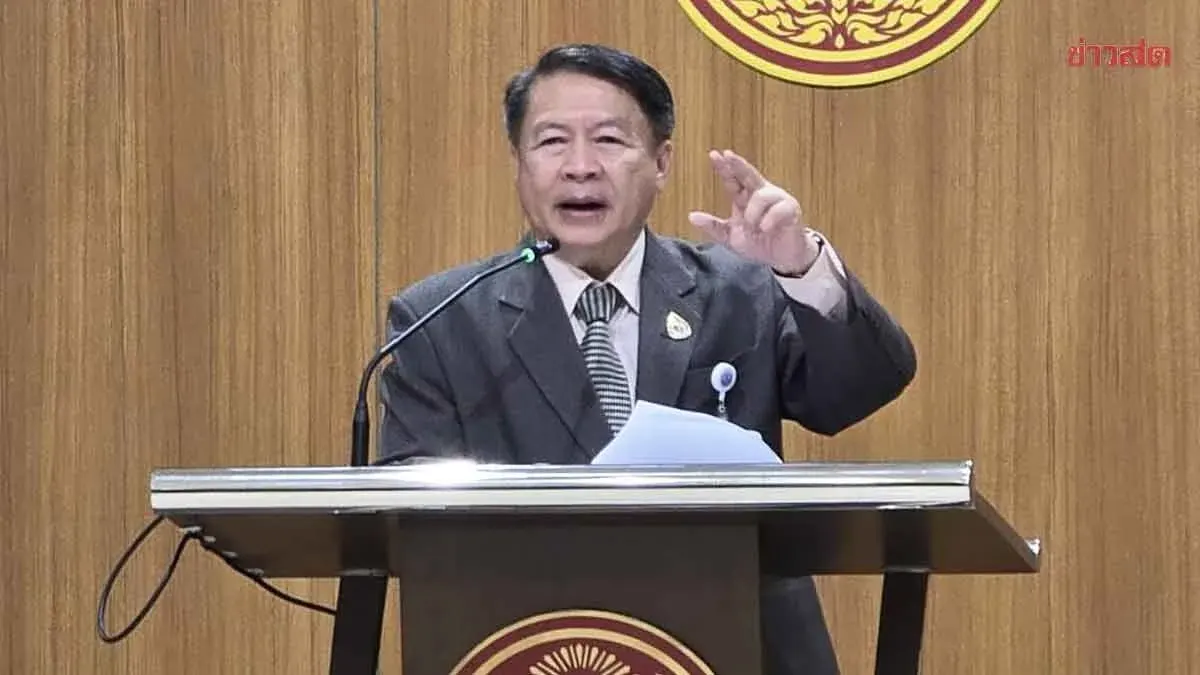
The Sudsoi task force, in coordination with the CIB, has cracked down on a large-scale oil trafficking operation in Kanchanaburi that used nail salons as fronts to hide illegal fuel hoarding and diversion. Tithipat Chotidejarachai, head of the Sudsoi task force, revealed that Energy Minister Eknath Prom-on directed the task force to integrate operations with the Department of Energy Business, provincial energy offices across the country, and the Central Investigation Bureau (CIB) to investigate and suppress networks hoarding and illegally shipping fuel outside the system, following discovery of suspicious oil trading patterns.
A retrospective audit of data from January to March 2025 identified irregularities among major oil jobbers in the central region, particularly in Kanchanaburi province. These operators violated Section 10 of the 2543 Fuel Trade Act by establishing proxy companies and using nail salons as business fronts to disguise their operations and evade official scrutiny. The Sudsoi team subsequently worked with the Department of Energy Business and provincial energy offices to expand their investigation into fuel transport routes, examining 170 transport documents covering 23 provinces. They inspected receiving stations and called operators for questioning, cross-referencing data with vehicle GPS tracking systems.
The investigation found that many receiving stations confirmed they had not received oil as documented or received incomplete shipments. In some cases, such as in Ayutthaya province, the listed destination addresses turned out to be vacant, abandoned land. Officials discovered 34 irregularly documented transport documents, resulting in approximately 800,000 liters of fuel disappearing from the official system—a loss valued at over 28 million baht.
Based on collected evidence, the Energy Ministry consulted with the CIB, the Consumer Protection Crime Suppression Division, the Department of Internal Trade, the Revenue Department, and the Customs Department before filing charges with the CIB. Police Colonel Thanathat Sripipath was assigned to lead the prosecution. The operators face charges under the 2543 Fuel Trade Act and the Criminal Code. The ministry also coordinated with the Revenue and Customs Departments to investigate additional violations and expanded the investigation to other fuel traders suspected of similar conduct.
Tithipat stated that the Energy Ministry will pursue enforcement against both small and large-scale offenders exploiting legal loopholes. The ministry will accelerate development of inspection systems using information technology and push for stricter criminal penalties to close corruption gaps, ensure fairness in the energy system, and fully protect public interests.