Court Spokesman Clarifies Sentencing and Enforcement Roles
A court spokesman clarified that judges determine sentences while government agencies handle enforcement, addressing criticism in a high-profile murder case involving Russian and Thai victims in Chachoengsao province.

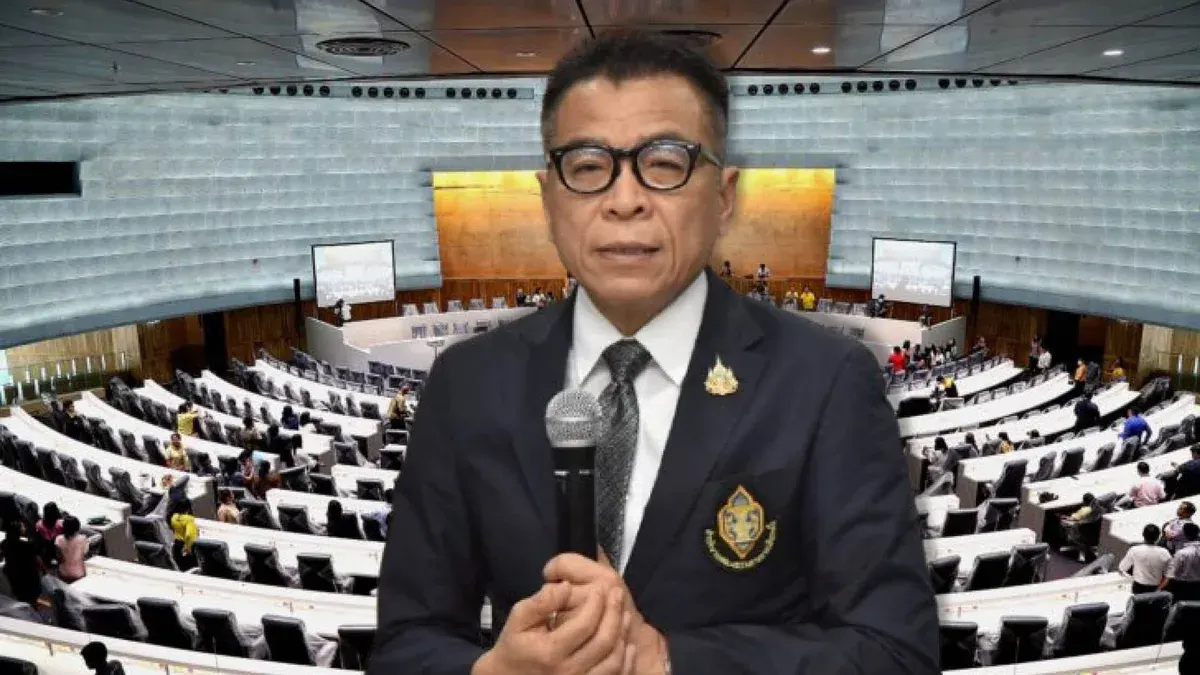
In a high-profile murder case involving the deaths of two Russian siblings and the expansion of charges to include three Thai victims in Chachoengsao province, public and legal criticism has focused on criminal sentencing decisions. On August 2, 2025, Court of Justice spokesman Suriyane Hongwilay clarified the difference between sentencing and enforcement. Sentencing is the court's authority to impose punishment—including capital punishment, imprisonment, detention, fines, or asset seizure—based on the severity of the crime and applicable law. Enforcement, by contrast, is the administrative responsibility to carry out the court's sentence through authorized agencies such as the Department of Corrections for incarceration or the Department of Probation for probationary conditions. "The court's duty is to determine the sentence," Hongwilay said. "Enforcement is the responsibility of agencies designated by law. The court imposes the sentence; it does not enforce it." Thailand maintains a clear separation of powers between the judiciary, responsible for sentencing, and the executive branch, responsible for enforcement.