Deputy PM Halts Chemical Exports to Neighbors Over Toxic Contamination
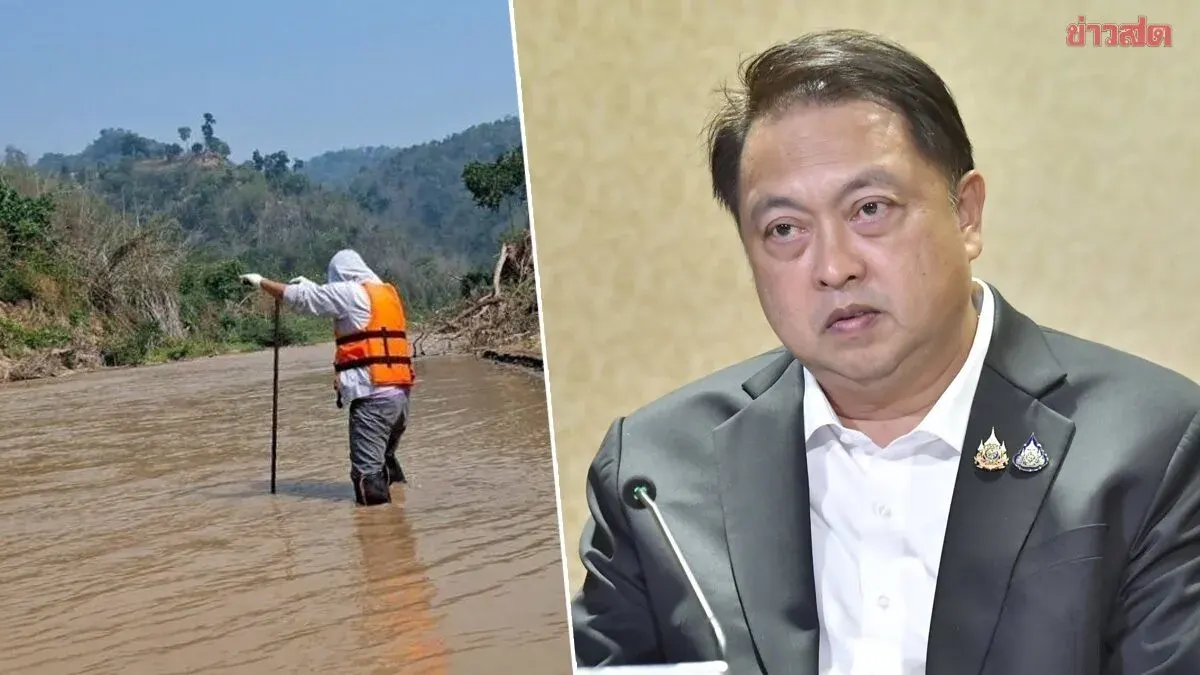
Deputy Prime Minister and Interior Minister Chatchai Thaiseth announced an immediate ban on exports of precursor chemicals to neighboring countries to pressure them over cross-border toxic water contamination. He ordered nationwide water testing, suspension of supply in at-risk areas until clean sources or filtration are secured, and deployment of water trucks and new wells, while assuring the public that tap water meets WHO standards.
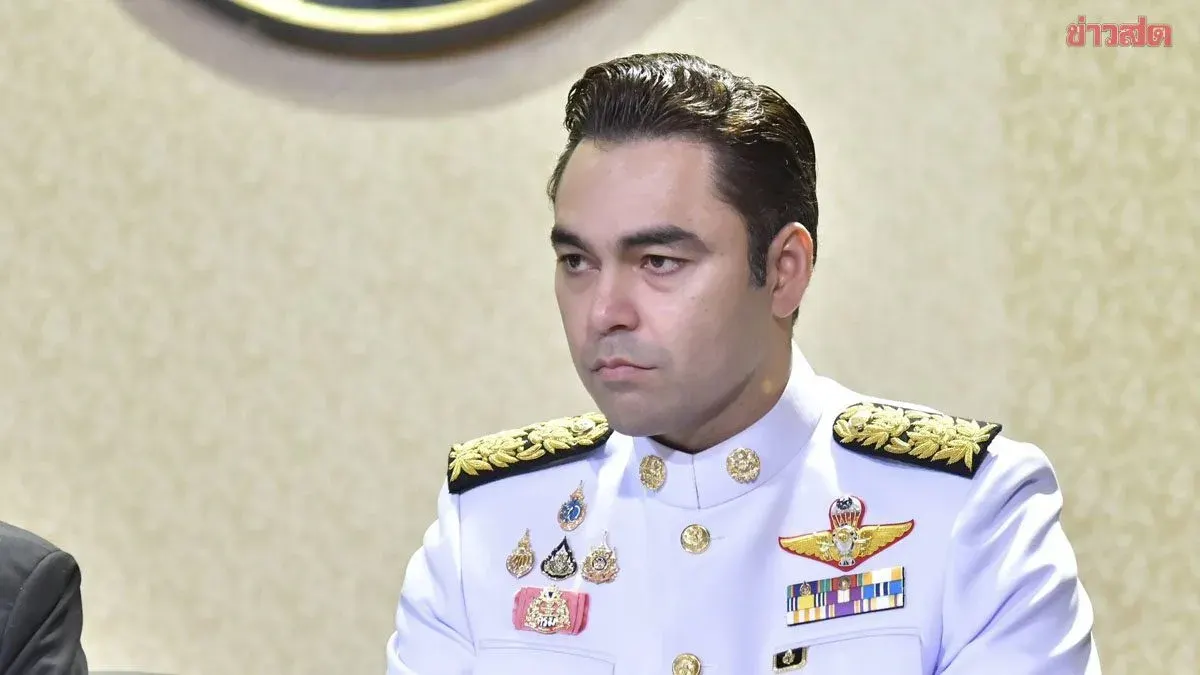
At 1:50 p.m. on November 21, 2026, at Government House, Deputy Prime Minister and Interior Minister Chatchai Thaiseth briefed reporters after a meeting of the National Disaster Prevention and Mitigation Command to track the situation and resolve chemical contamination in water sources.
He stated that regarding precursor chemicals, the Ministry of Commerce already has data on which companies export these substances to neighboring countries. While these chemicals may not account for the entirety of what those neighbors use, any portion originating from Thailand that returns to cause pollution and harm Thai citizens must be halted immediately. "This is a key point from the Prime Minister that is quite clear. He believes that if we stop the export of precursor chemicals, it will help with water pollution because factories will have to cease production without raw materials. This is one measure and a pressure point before entering negotiations."
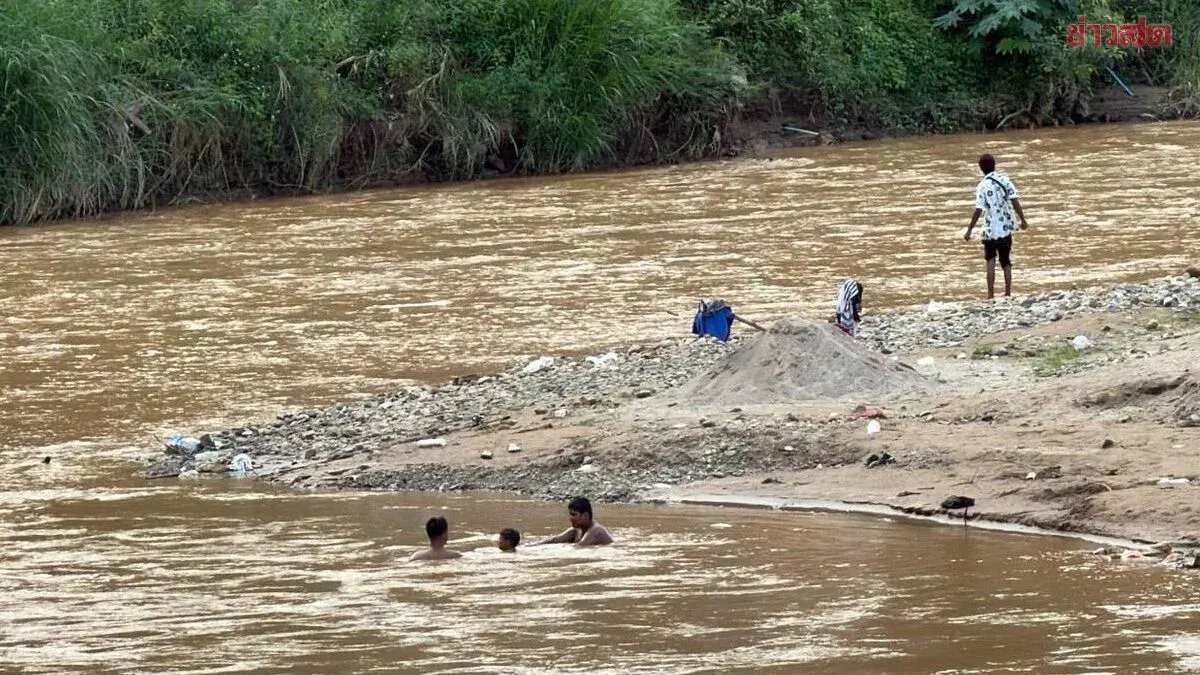
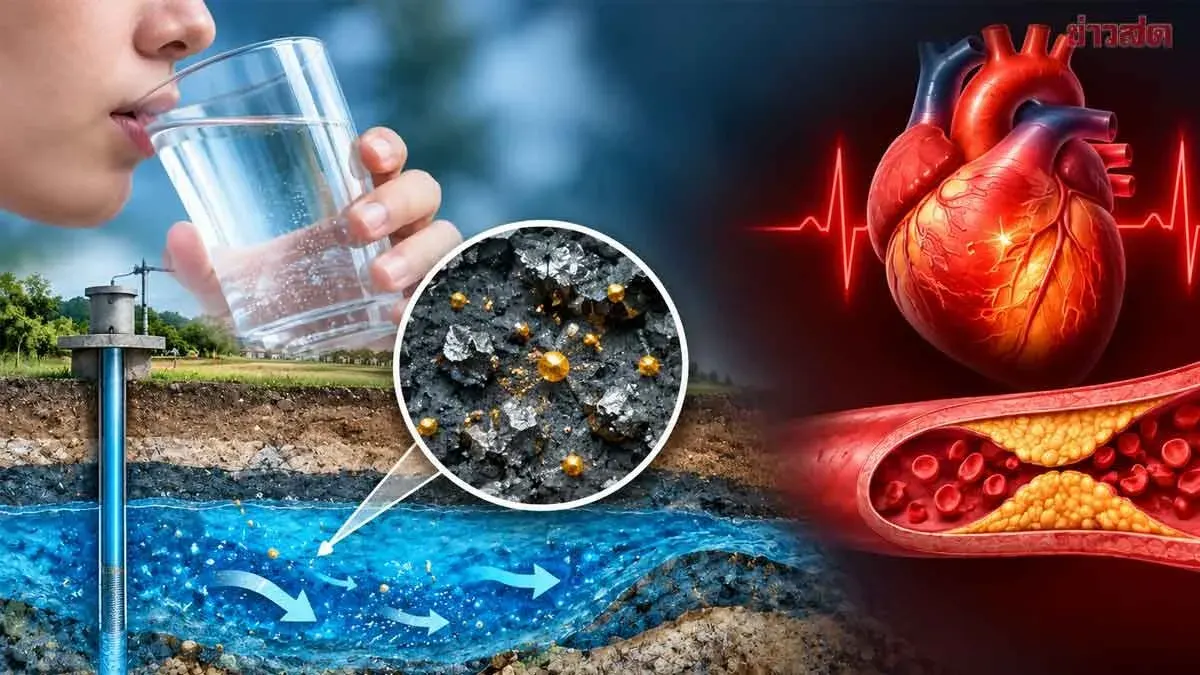
Chatchai said regional tap water quality is controlled and monitored 24 hours a day, with screening at international standards certified by the World Health Organization, and urged the public to be confident. For village water supplies — whether mountain, surface, or groundwater — he ordered all data collected and sent to the Metropolitan Waterworks Authority, which holds ISO world standards. Once test results are in, if any area poses a risk to public water use, supply will be halted until filtration systems are installed or new water sources are found. He noted coordination with the Ministry of Natural Resources and Environment to install filters capable of removing heavy metals, specifically lead.
The Deputy Prime Minister added that the public need not worry about drinking water shortages. He has deployed 20 water production trucks from the Department of Disaster Prevention and Mitigation to cover affected areas and requested cooperation from the Department of Mineral Resources to drill clean groundwater wells. A contingency plan is in place to deliver water to households, and people are asked to prepare storage containers for daily use.
"The Prime Minister has declared war on pollution; certainly every relevant agency must perform its duties seriously, including all involved parties. If anyone still fails to act according to legal roles, they must consider the consequences, as the state will handle it strictly."
Chatchai explained that responsibility for toxic testing is divided among ministries: main rivers fall under the Pollution Control Department; the Ministry of Interior oversees village and regional water supplies; the Royal Irrigation Department monitors tributaries; the Ministry of Public Health tests water at the point of consumption; and the Ministry of Agriculture handles agricultural produce — if contaminated crops are found, the Agricultural Land Reform Office will buy and destroy them, while the Agriculture Ministry will help farmers switch to safer crops.
He added that consumers have another layer of protection: the Ministry of Public Health will screen markets, purchasing points, and export venues to prevent toxic residues from entering the food chain.