Deputy PM Pushes Three-Nation Talks on River Mining Pollution
Deputy Prime Minister Yotsakan Wongsaway is spearheading a coordinated response to heavy metal pollution in the Kok and Salween rivers originating from Myanmar mining operations. He announced daily briefings, a joint data platform, and three-party negotiations with Myanmar and China to identify responsible mine owners and halt wastewater discharge. The issue has been elevated to the OECD for global chemical responsibility standards, while the Fisheries Department has warned against consuming 10 aquatic species.
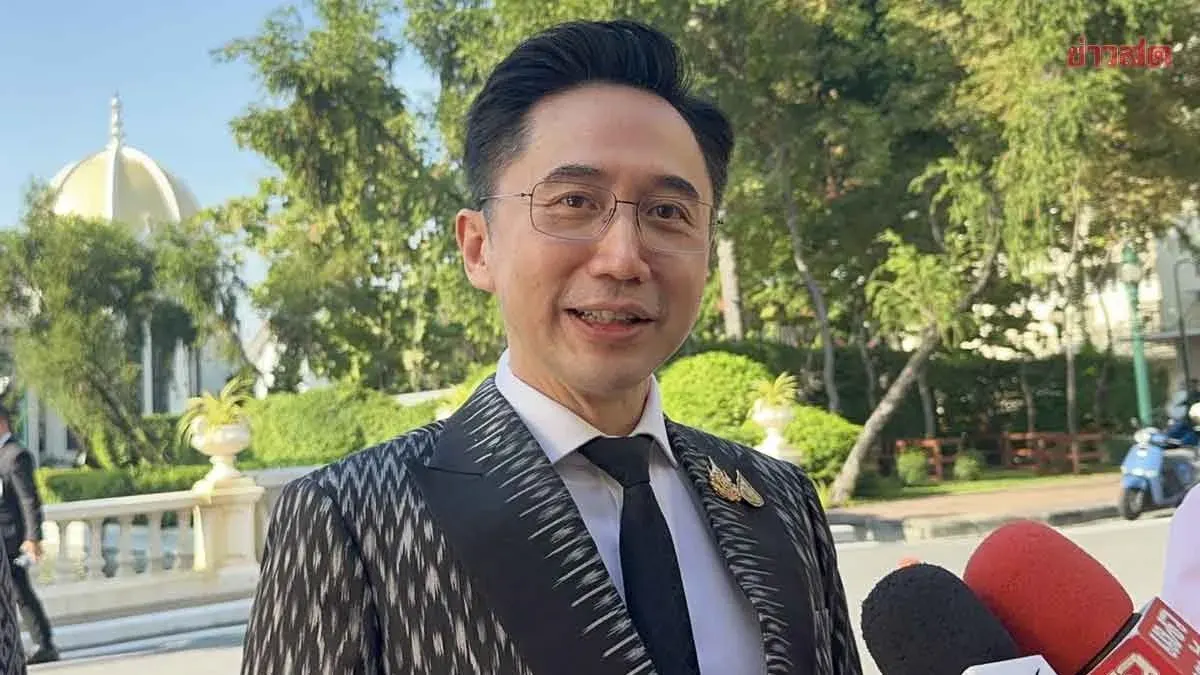
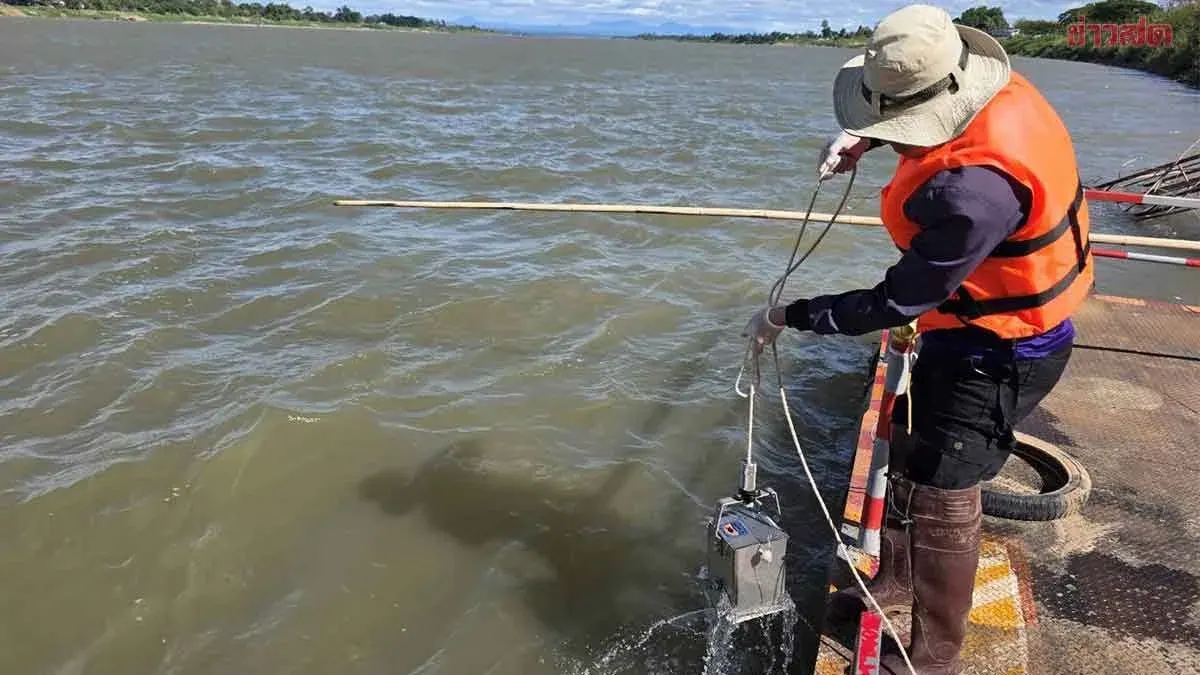
At 08:50 on November 24, 2026, at Government House, Deputy Prime Minister and Minister of Higher Education, Science, Research and Innovation Yotsakan Wongsaway addressed his field visit to Chiang Rai to resolve heavy metal sediment in rivers caused by mining in Myanmar. He outlined a communication strategy where all data will be centralized at the Department of Disaster Prevention and Mitigation (DDPM) and linked with Chiang Rai province, which has already established a war room. Daily briefings will be issued at least once a day, alongside infographics on public concerns. Currently, ministries are scanning agricultural and environmental data to populate a shared online list map, aiming for completion within this week. Efforts will run in parallel on water safety and include field inspections of sediment traps to engage communities.
Asked about high arsenic findings in the Salween River, Yotsakan said upstream management is essential and talks with Myanmar are scheduled for this afternoon, as continued discharge is unacceptable. The Kok and Salween rivers connect to Thailand at multiple points. On obstacles, he cited public anxiety over how long resolution will take and upstream conditions. He is pursuing two tracks: negotiating with Myanmar and demanding transparency on which mines exist and who controls them, urging proper water management. If Myanmar claims only partial authority over a mine and requests Chinese mediation for verification, the second track involves restricting chemical exports.
Yotsakan added that on November 23 he met with the OECD Secretary-General to discuss the issue, urging a global framework for tracing rare earth minerals to certified mines, as chemical responsibility is a worldwide concern. On fears that contaminated water may reach agriculture, he said green-zone areas are cleared for farming, while water-adjacent zones will receive crop recommendations. Regarding the three-party talks framework, he emphasized securing Myanmar's acknowledgment that pollution originates there and obtaining mine ownership data. Thailand will share knowledge but insists on installing its own sensors for independent monitoring. Laboratories are ready for fingerprinting contaminants, but Thailand will not tolerate continued wastewater discharge. Cost estimates for remediation will be discussed with China for support. On the Fisheries Department's warning against consuming 10 aquatic species, Yotsakan said it resulted from inspections and monitoring will continue throughout the week.