Deputy PM Vows to Close Bangkok Port, Pushes Laem Chabang Expansion
Deputy PM Pipat announced progress on expanding Laem Chabang port while vowing to eventually close Bangkok Port, though a soil density issue in the marine reclamation work currently stalls the strategic project.
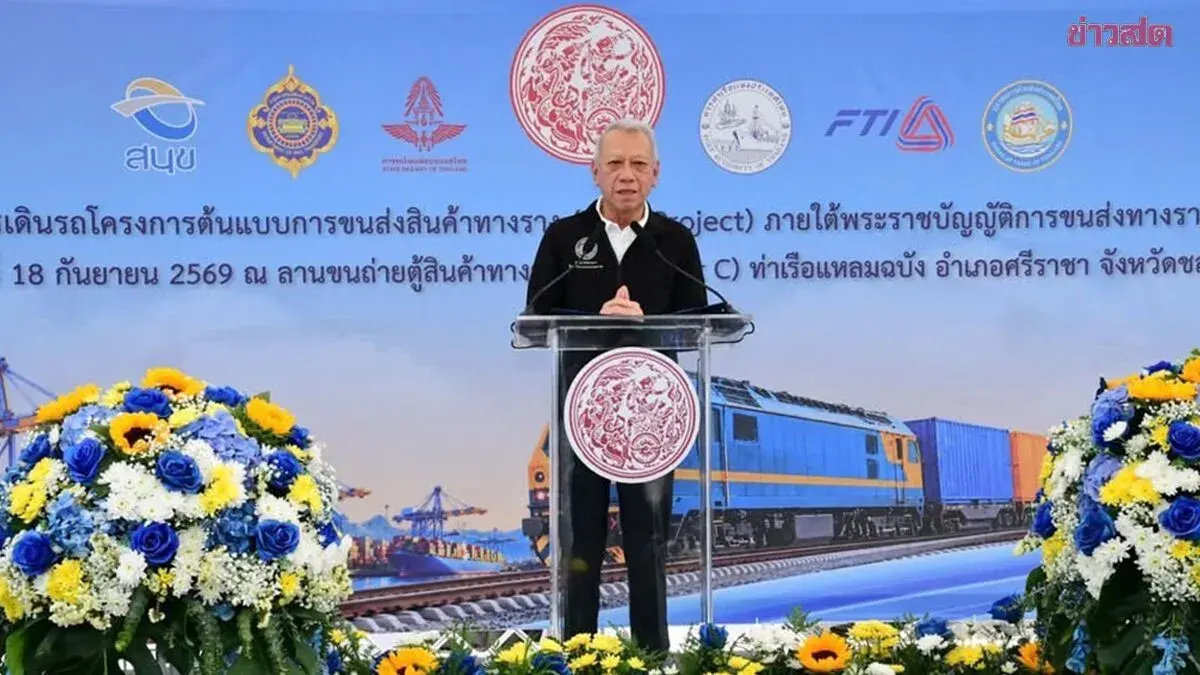
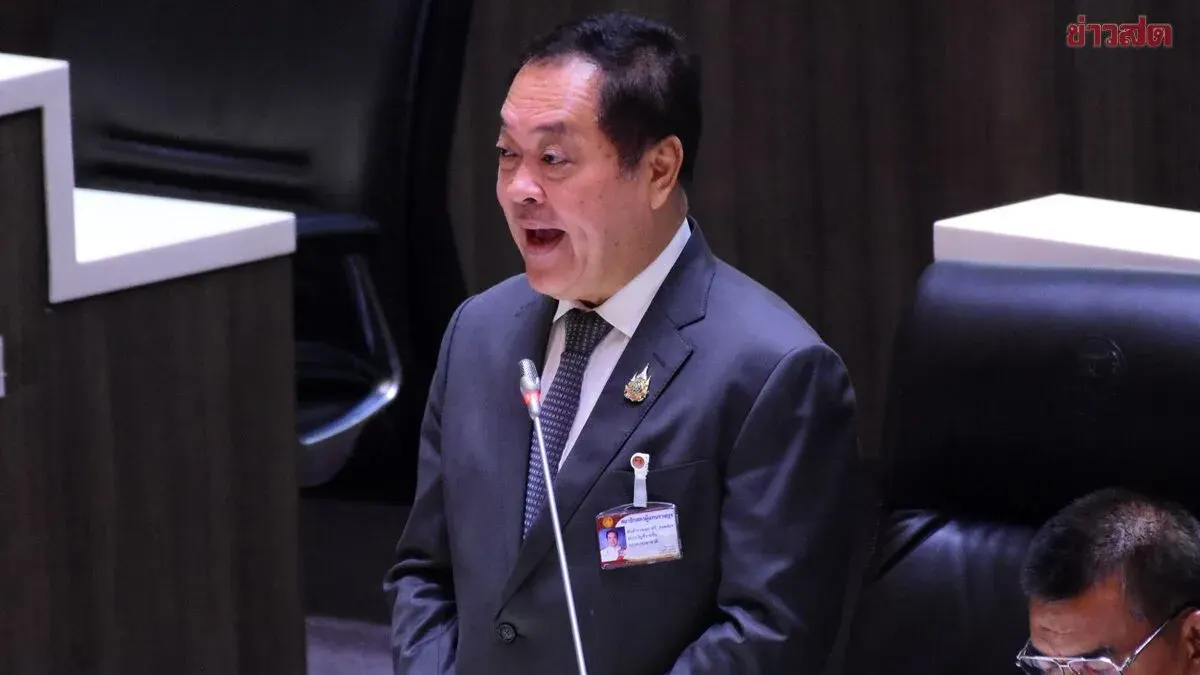
On September 18, Deputy Prime Minister and Transport Minister Pipat Ratchakitprakarn announced progress on Phase 3 of the Laem Chabang port development project. The project currently faces a technical issue with unequal soil density in the marine reclamation work beneath wharf F, which could pose safety risks. Officials are consulting with engineering firms, designers, contractors, and concessionaires to reach a solution with matching density levels.
Regarding a private sector claim for 4 billion baht in damages and compensation, Pipat stated that no negotiations have taken place and the government will not pay what he called "stupid money" on the matter. The Port Authority of Thailand has been ordered to thoroughly investigate who is responsible for the error and find ways to deliver the area so the project can proceed, as it is deemed strategically vital to the country.
Phase 3 of the Laem Chabang port development is a joint venture between the Port Authority of Thailand and the GPC consortium, which includes Gulf Energy Development, PTT Tank Terminal, and China Harbour Engineering. The project is currently stalled due to a dispute over soil density requirements for the submarine reclamation work.
Pipat confirmed the government aims to close Bangkok Port (Khlong Toei) completely to shift all shipping operations to Laem Chabang and develop the former port area commercially to generate sustainable revenue. However, if certain cargoes such as fresh food and fruit requiring speed must remain, those cases will be assessed individually. The government will also study the original intent behind building Laem Chabang to determine whether it was designed to consolidate all shipping or merely to relieve pressure on Khlong Toei.
Regarding the 26 communities around Bangkok Port, Pipat noted that residents have not opposed the relocation but the Port Authority must build replacement housing and conduct the move in phases, requiring time for construction and implementation. This policy will begin under the current government, with results potentially seen either in this administration or the next, depending on the appropriate timeline.