Eastern Provinces Step Up Flood and Drought Response
Thailand's eastern provinces are ramping up disaster preparedness for floods and droughts, with Natural Resources Minister Suchat Chomklin chairing a coordination meeting in Chon Buri on August 10 to ensure eight provinces have adequate per
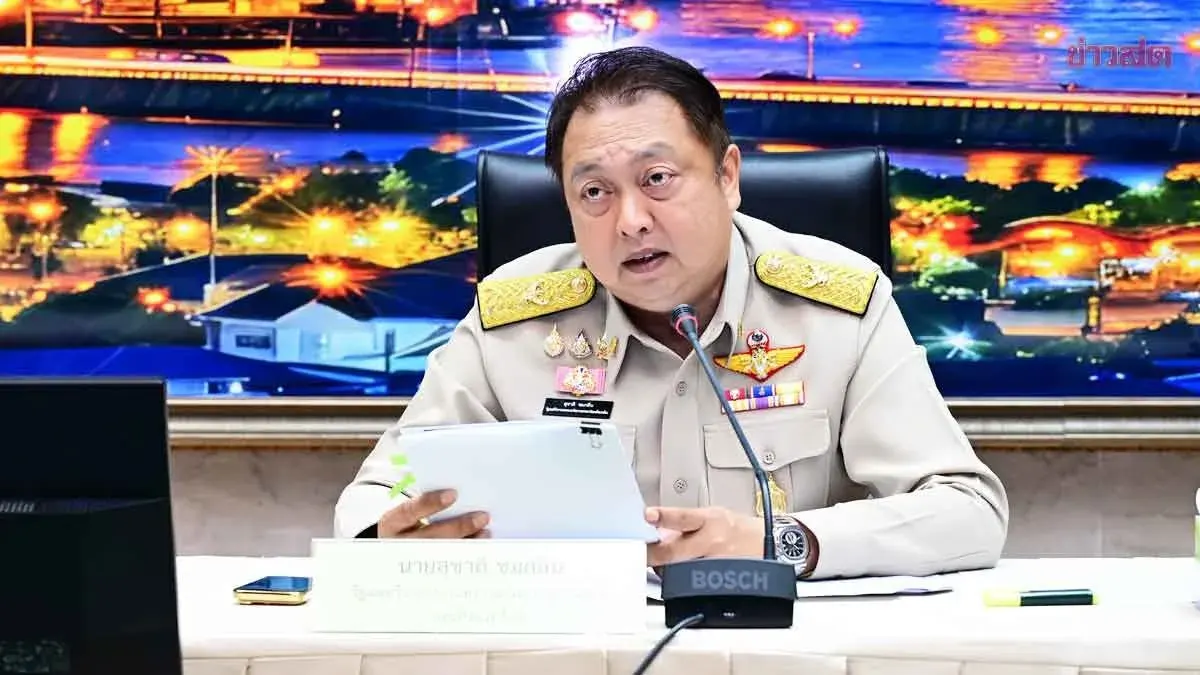
On August 10, Natural Resources Minister Suchat Chomklin chaired the first 2025 meeting of the Eastern Region Flood and Drought Prevention Committee at Chon Buri Provincial Hall, with participation from ministry officials, provincial governors, deputy governors, and relevant agencies. The meeting aimed to accelerate disaster preparedness across eight eastern provinces: Chon Buri, Rayong, Chanthaburi, Trat, Prachuap Khiri Khan, Chachoengsao, Sa Kaeo, and Nakhon Nayok.
Chomklin stated that the government under Prime Minister Anutin Charnvirakul prioritizes systematic, rapid, and unified disaster management to ensure timely public assistance. He instructed all agencies to develop coordinated water management plans for both flooding and drought scenarios to maximize public benefit and minimize impacts on lives, property, and the local economy. For flood response, local governments and private sector partners must coordinate service delivery to reduce redundancy and provide efficient support when disasters occur. Preparations include installing water pumps, clearing water channels, and draining water according to conditions.
The ministry has been ordered to ensure full readiness with adequate personnel, equipment, resources, and facilities for immediate response to flooding or drought. Temporary shelters with sufficient capacity must be prepared in coordination with hotels and relevant organizations. Health agencies must prepare personnel, vehicles, medicines, and 24-hour emergency medical systems, prioritizing vulnerable populations.
Chomklin also established three subcommittees to oversee the eight provinces, monitor situations, assess problems on the ground, and report to the main committee for swift solutions. All agencies were instructed to integrate operations through the National Disaster Prevention and Mitigation Command and provincial incident command centers to ensure unified direction and reduce redundancy. Any budget constraints or obstacles must be reported immediately for resolution.
"Public suffering is urgent and cannot wait," Chomklin said. "The government must prepare beforehand, implement effective water management systems, and integrate all sectors to work as one team. When situations arise, we must respond quickly, care for the people closely, and stand beside them in all circumstances."