Eastern Tourism Council Backs Koh Chang Bridge to Unlock Growth
The Eastern Tourism Council chairman endorses a proposed bridge to Koh Chang, arguing ferry bottlenecks damage first impressions and restrict tourism growth across Chanthaburi, Trat, and Rayong. He says a fixed link would enable 24-hour access, support multi-province itineraries, and benefit residents' daily logistics, while urging careful planning to avoid overtourism impacts if the project proceeds.
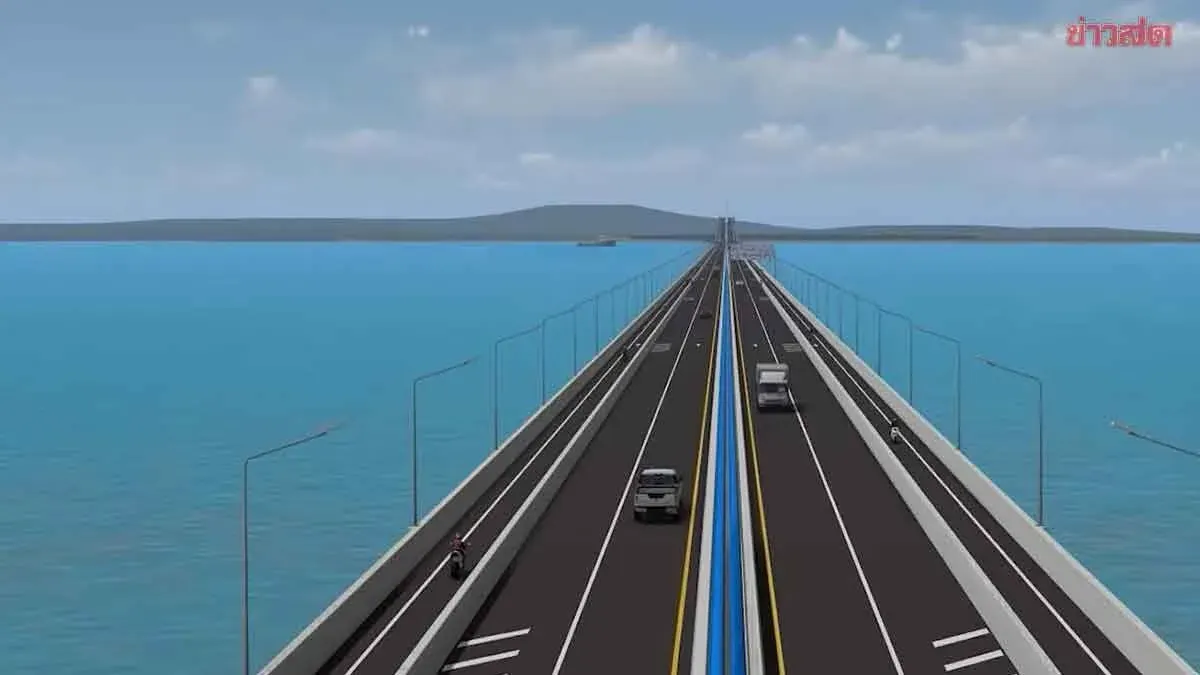
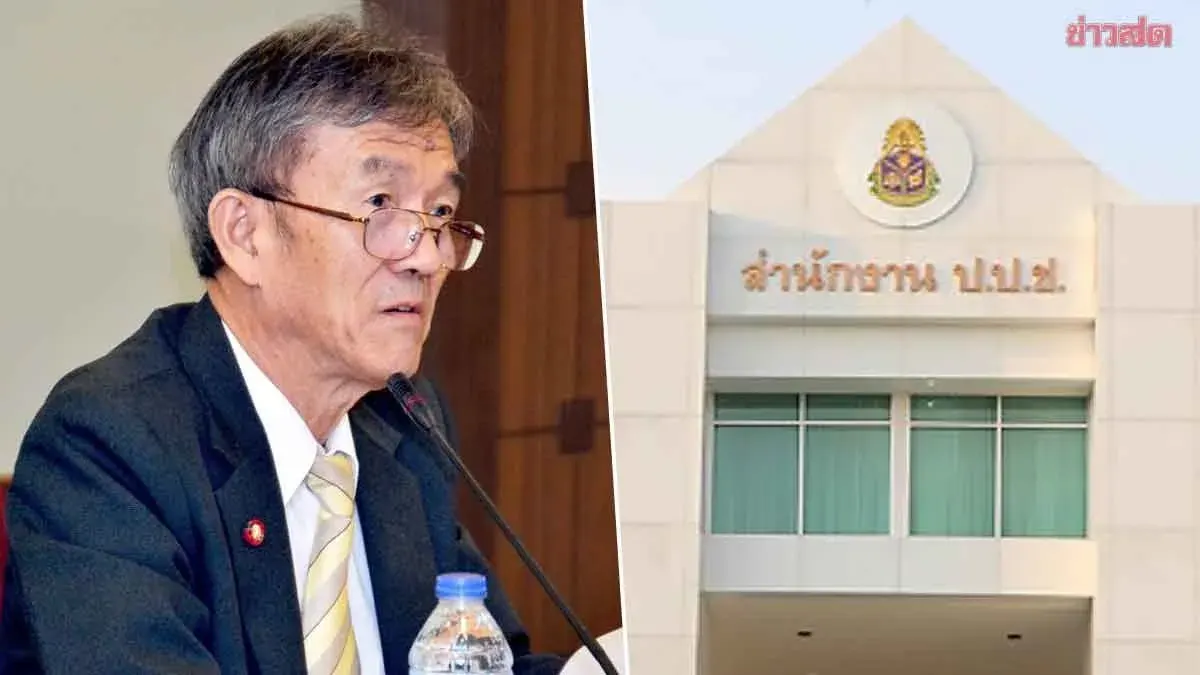
Trat — Anucha Thianchai, Chairman of the Tourism Council of Thailand Eastern Zone 9, which covers Chanthaburi, Trat, and Rayong, has voiced support for the Koh Chang Bridge project in Trat province. He describes it as vital infrastructure for the future of Eastern tourism, not merely a solution for island access but a way to boost competitiveness and unlock long-term economic opportunities.
Currently, travel to Koh Chang relies on ferries with limited schedules and capacity. During long holidays and high season, queues can stretch for hours, disrupting travel plans and souring tourists' first impressions. Anucha stressed that in tourism, the first impression matters as much as hotel quality or attractions. Uncertain transport tires visitors before they even arrive, limiting future market growth.
A bridge would provide seamless, 24-hour access, especially benefiting tour groups, buses, seminar delegations, and families seeking convenience. It would also ease multi-destination itineraries linking Chanthaburi, Trat, and Rayong, expanding customer reach for hotels, restaurants, tour operators, and service businesses.
Beyond tourism, a fixed link would improve daily life for island residents — commuting, freight, agriculture, and business — cutting hidden costs from waiting and enabling urgent travel at any hour.
On budget debates, Anucha argued large infrastructure should not be judged solely on construction costs or short-term returns. The lost business opportunities from transport constraints and long-term growth potential must count. Still, investment requires careful design, environmental assessment, and capacity planning for increased visitor numbers. Without integrated transport, public services, and tourism management, easier access could bring traffic, waste, and overcrowding.
If the government faces budget limits or cannot proceed with the bridge now, Anucha urged not to neglect upgrading the ferry system — more vessels, higher frequency, and better facilities — as an essential interim step.