Education Loan Fund Faces Cashflow Crisis, Budget Boost Coming
The Student Loan Fund faces a liquidity crisis preventing tuition payments, but the government will nearly double its budget allocation from 5 billion to 9 billion baht starting October 1. With 2.6 million borrowers in arrears, officials pl

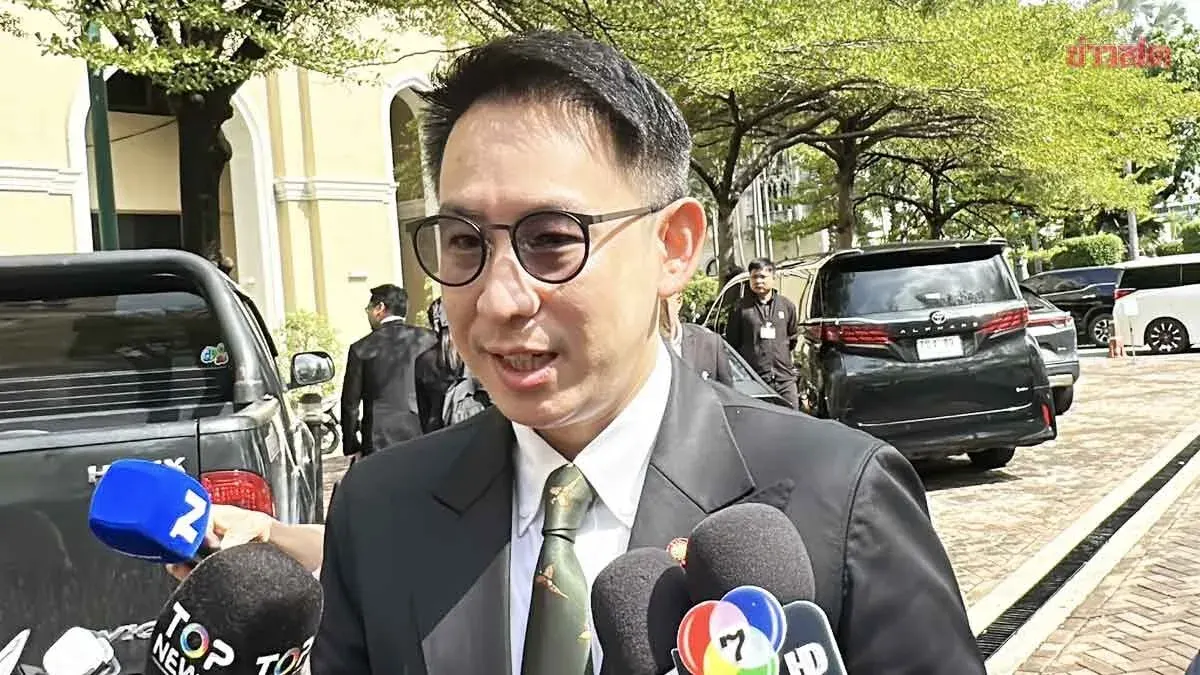
On September 22, government spokesman Paradorn Parisunantkul addressed a liquidity crisis at the Student Loan Fund (SLF) that has prevented students from paying tuition and prompted universities to threaten to ban borrowers from sitting exams. After consulting with Deputy Prime Minister and Higher Education Minister Yotchanan Wongsawadi, Paradorn explained that the SLF cannot transfer funds to universities in the first month due to system issues, though this is expected to resolve without major problems.
Regarding the 2570 fiscal budget shortfall, Paradorn noted that in just eight days the new fiscal year 2570 will begin with the government nearly doubling the SLF allocation from 5 billion to 9 billion baht—while cutting budgets elsewhere. The additional 9 billion baht will be available to use after October 1 upon legal promulgation, demonstrating the government's commitment to the fund.
When asked if the main problem is loan default, Paradorn said 3.6 million people are in the SLF system, with only 1 million paying on time and 2.6 million (60 percent) in arrears. He stressed that these 2.6 million must be split into two groups: those unemployed with no income, who should be exempted from collection, and those with income who refuse to pay and must be pursued aggressively.
The 1 million on-time payers are often civil servants or private-sector employees with automatic salary deductions arranged with their employers. Paradorn flagged a major weakness: the SLF does not know how many unemployed borrowers are in default or have proper status records for borrowers, making it impossible to identify who is ready to pay. He stressed that the core challenge is to collect repayments from the 2.6 million arrears cases, targeting recovery of 30-40 percent without requiring 100 percent collection.