Election Commission Asks Constitutional Court to Limit Supreme Court in Senate Case
The Election Commission voted 5-2 to ask the Constitutional Court to rule on whether the Supreme Court has authority to review Senate candidate qualifications, a move critics call an attempt to block scrutiny of five senators including two from Amnaj Charoen suspected of registering in the wrong occupational group. The decision could have wider implications for previous EC rulings that dismissed complaints against Bhumjaithai Party figures, raising questions about institutional independence and public trust in the oversight system.
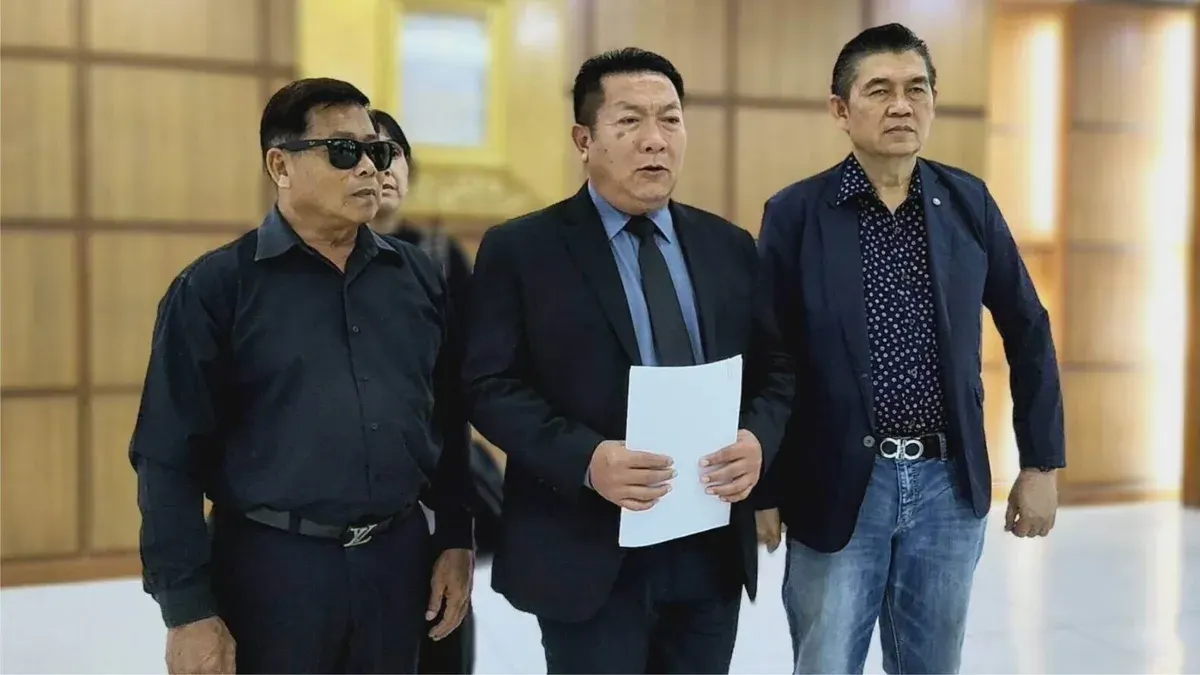
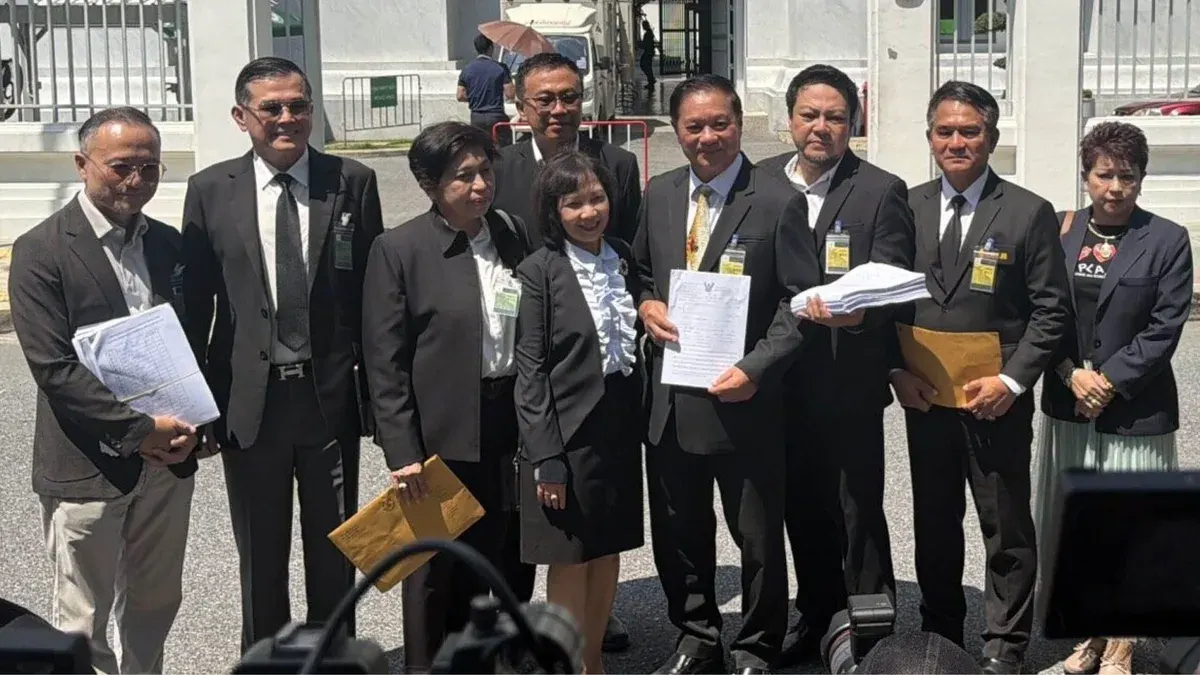
While Akarawit Phongthanachayakul leads a group of reserve senators submitting a letter to the EC requesting review and revocation of the 5-2 resolution, viewing the referral to the Constitutional Court as a delaying tactic and using the Constitutional Court to limit the Supreme Court's power. Crucially, if the Supreme Court can review and overturn the EC's previous rulings, it could have a cascading effect on cases where the EC previously voted by majority to dismiss petitions against executives and key figures of the Bhumjaithai Party in the Senate election case. Therefore, this maneuver is not merely a gamble on the qualifications of a few senators, but a high-stakes bet by key figures in the "blue government" coalition. Attention now turns to whether the Constitutional Court will accept the petition and how it will define the scope of the Supreme Court's authority, as the outcome could affect the direction of the broader Senate election investigations. This is not just a power struggle between constitutional bodies but a matter of public confidence in the oversight system. If every organization insists it acted correctly, they must dare to open the door to scrutiny, not use their own authority as a shield to block and cover up. Or is it because both this EC and the Constitutional Court originate from the current Senate cohort? While not proof of quid pro quo, they must prove their independence to society, not merely assert correctness even when it contradicts the watchful eyes of the public.