Election Commission Faces Court Test Over Parliamentary Fraud Allegations
Thailand's Election Commission faces a critical decision after a reversal by its arbitration panel cleared 229 suspects—including 138 sitting MPs and the current prime minister—of parliamentary fraud allegations that an earlier investigativ
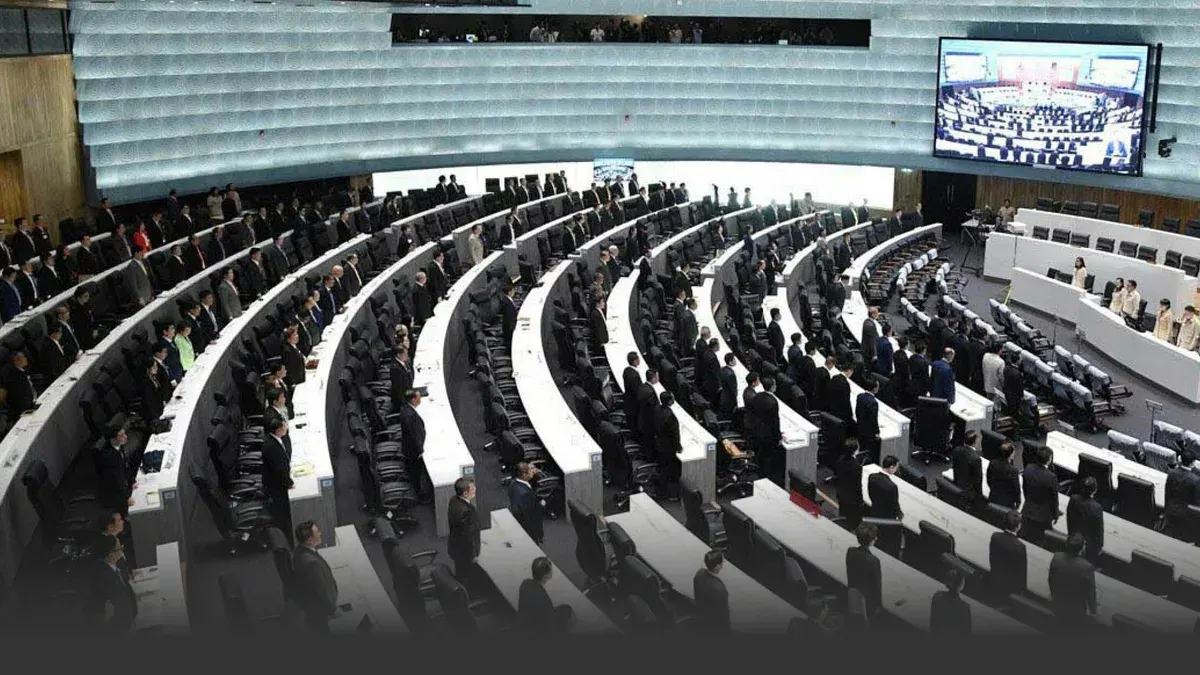
This high-profile case alleges electoral fraud involving 229 accused individuals, of whom 138 are sitting MPs. The investigation has dragged on for over two years across three administrations without resolution. The most progress came under Prime Minister Prayut Chan-o-cha and acting PM Bhumi Thaweechai, when the 26th investigative panel, chaired by Deputy Secretary-General Chanin Noi Lek, recommended prosecution of all 229 suspects in coordination with the DSI. However, upon government transition, the full Election Commission established a 36th arbitration subcommittee to reconsider the findings. On March 12, 2025, that subcommittee reversed course, declaring all 229 accused not guilty.
The full Election Commission now must choose which conclusion to follow and whether to refer the case to the Supreme Court for judicial review. Private sector figures, including Yingluck Shinawatra ally Atthajahn Aishannon of iLaw, have submitted letters to the opposition leader exposing suspicious conduct by nine individuals. Though not new information, the revelations have reverberated because the accused include the current prime minister. Bhumjaithai party members have responded with defamation lawsuits against the whistleblowers, despite requests for mature, factual discussion.
Ultimately, the case will be tested in court. Only judicial proceedings can definitively establish whether the accusations constitute defamation or reflect genuine electoral misconduct. Full disclosure during trial may expose broader patterns and reveal who stood behind contested actions. The court system remains Thailand's most credible institution to prove whether rule of law and constitutional governance truly exist in the country.