Election Commission Opens Seven Counts Against Former Senate Speaker
The Election Commission is investigating a former Senate speaker on seven counts with an August deadline, though officials acknowledge some evidence gaps and worry that requesting additional inquiries could invite accusations of delaying th

The Election Commission is investigating a case against a former Senate speaker on seven counts, with the chair planning to wrap up the investigation by August. Some counts remain unclear, and officials worry that ordering additional inquiries could invite accusations of stalling the case. There is also uncertainty about where the advocacy group iLaw obtained certain information.
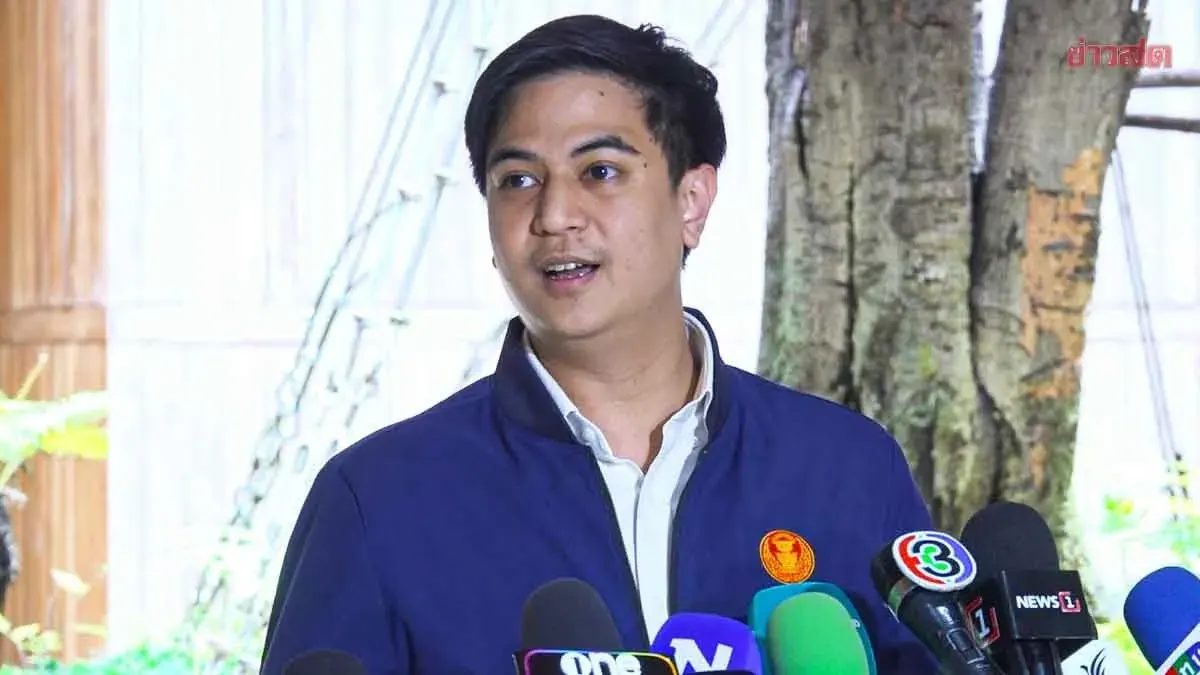
On July 22, EC commissioner Sitthichai Intravisesa addressed public skepticism about the EC's handling of the case. He explained that the subcommittee's investigation records serve as the primary repository of all evidence. If new evidence exists but was not submitted to the subcommittee for unclear reasons, it is unfortunate, since the EC must evaluate evidence that has been vetted and contested by both the accuser and the accused.
Regarding iLaw director Yingcheep Atchanunt releasing old information already in the official records, Sitthichai expressed uncertainty about the source and warned of potential damage to the prosecution. If the information reaches court, it could allow the accused to prepare a defense or witness evidence could be destroyed.
On public concerns about EC impartiality—four EC members were appointed by the current Senate, raising fears of influence—Sitthichai argued that EC members are competent and will exercise independent judgment in the public interest.
Regarding progress, Sitthichai said the investigation is proceeding well across multiple counts of the seven filed. Only minor details and important politically sensitive matters remain, expected to be addressed in mid-August. When asked if the case would be resolved this year, he confirmed that the EC chair has set an August deadline unlikely to be extended.
Even if evidence is incomplete, ordering additional investigation risks delays and accusations of case-manipulation. The subcommittee, which had only four months to work after a delayed start, has moved quickly by leveraging the EC's power to request documents from the Special Investigation Department (DSI). Though the EC did not inherit the DSI's case file, it has established a joint investigation committee with legal authority to access DSI documents, enabling faster work.
Some matters the subcommittee wished to pursue further ran out of time due to public pressure for speed. The EC faces a dilemma: ordering more investigation risks appearing to stall the case, but the investigation may be incomplete.