Election Commission Reverses Senate Graft Findings Against 229 Suspects
The Election Commission reversed graft findings against 229 suspects in a Senate election fraud case, with the newer panel dismissing charges the previous panel had identified, prompting calls for transparency and legal reform.
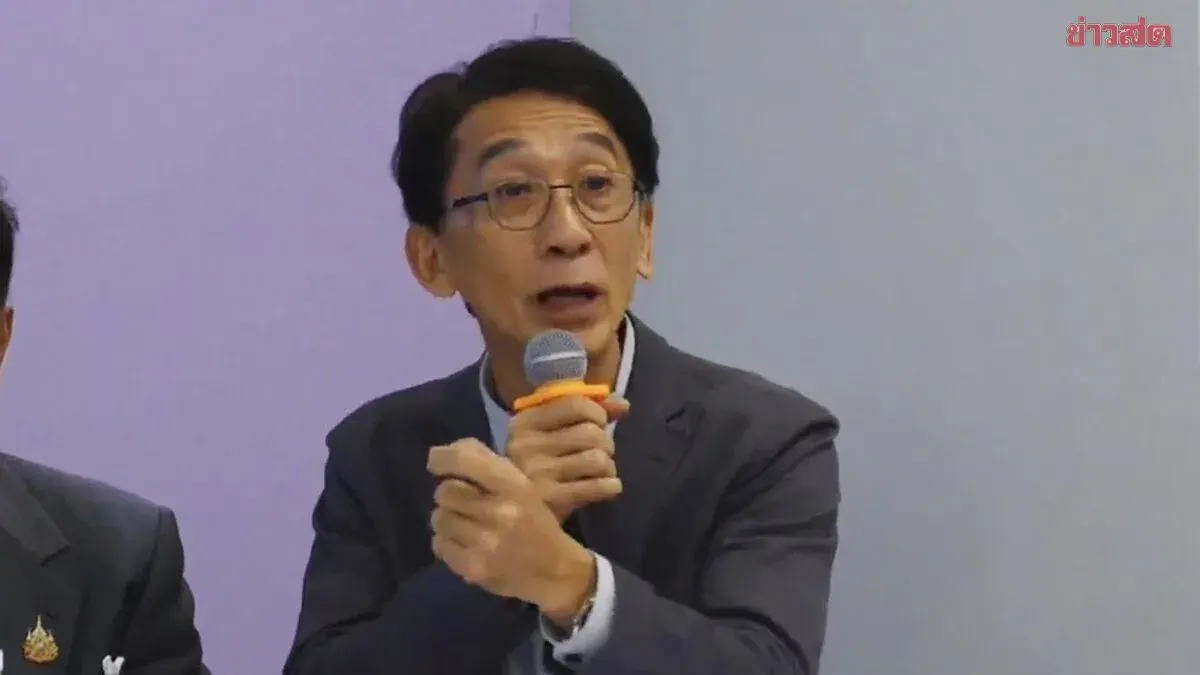
At a July 12, 2025 parliamentary event titled "Two Years of Senate Elections: Deep Dive into Election Fraud Evidence," Assoc. Prof. Dr. Prinyya Thevaranimit of Thammasat University's Law Faculty stressed that Senate elections must be conducted with integrity and fairness, as they represent the public's participation in state power. The Election Commission's scrutiny over its performance is significant, she argued, because the Constitution grants the commission authority to refer cases of unfair elections to the Supreme Court.
The commission is currently establishing two subcommittees to investigate and adjudicate the Senate election within 90 days. Prinyya highlighted that using incentives to influence voting choices violates electoral law, similar to vote-buying rules for House elections and carrying criminal penalties within the commission's purview.
On the matter of lottery tickets ("pouy") found at polling stations, she noted that while a graft court previously ruled the tickets themselves are not inherently illegal, that does not equate to fair elections—these are separate issues for the Supreme Court. The commission's decision not to submit lottery tickets as evidence does not constitute dereliction of duty, since commissioners voted to preserve them on election night.
Problematic, however, is a legal deadline: the commission's secretary must submit investigation findings within one year—a deadline the commission has already missed. The law requires notifying affected parties of delays, which the commission failed to do, constituting dereliction of duty.
Prinyya stressed that only the Election Commission can refer Senate election fraud cases to the Supreme Court. If the commission does not act, no one else can—a gap that needs legal reform. In criminal cases, victims may file through the Department of Special Investigation if prosecutors decline.
Most troubling is the reversal: the 26th Election Commission panel identified 229 individuals involved in the case, but the 36th panel deemed the allegations baseless and moved to dismiss all charges. She called on the public to invoke the Information Access Act to request the 26th panel's investigation summary and demand transparency from the Election Commission.