Thailand and China Team Up to Combat Intellectual Property Theft
Thailand and China have signed a cooperation agreement to protect Thai businesses from intellectual property theft in China's market and online platforms, establishing joint enforcement efforts across trademarks, copyrights, and patents.

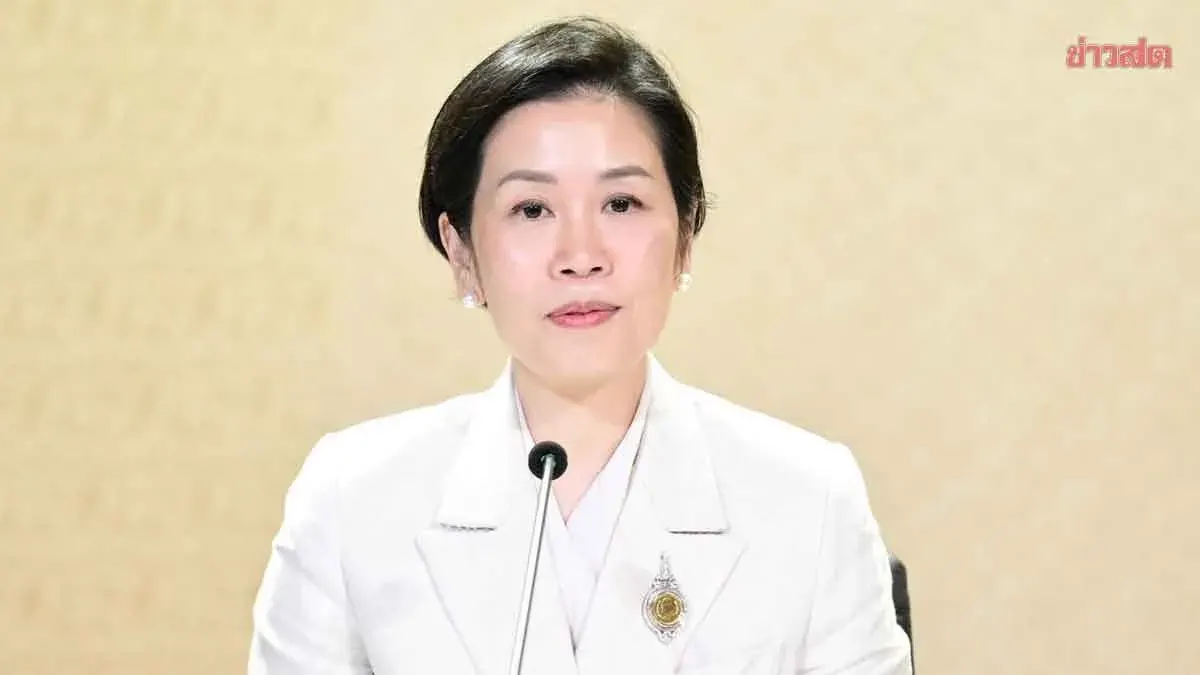
Thailand's Ministry of Commerce is intensifying protection of intellectual property rights for Thai entrepreneurs operating in the Chinese market through a new memorandum of understanding linking cooperation across both domestic and online platforms. Government spokeswoman Lalida Phirusvisuttana revealed that the Cabinet has approved an MOU between Thailand's Ministry of Commerce and China's market oversight authority on intellectual property enforcement cooperation. The Cabinet also authorized the Commerce Minister or designated representative to sign the agreement, which aims to provide concrete assistance channels for Thai businesses affected by intellectual property violations in China's market and on Chinese online platforms. The MOU establishes a bilateral cooperation framework on intellectual property enforcement between Thailand and China to improve coordination between both countries' agencies on protecting rights domestically and addressing violations occurring on online platforms, an increasingly vital commercial channel. The cooperation covers four key areas: discussions on recent developments in intellectual property enforcement, relevant information exchange, facilitation of rights enforcement, and training and personnel development for both parties to enhance protection effectiveness and action against products or services that infringe intellectual property rights. Spokeswoman Lalida stated that this cooperation will strengthen the Ministry of Commerce's active role in assisting Thai entrepreneurs, particularly in cases involving trademarks, copyrights, patents, and other intellectual property properly protected under Chinese law, working in tandem with private enforcement by the rights holders themselves. Both sides will designate department-level agencies as primary coordinators and can discuss issues arising from the cooperation and jointly develop appropriate work plans, with implementation contingent on budget, resources, legal framework, and internal regulations of each country. The spokeswoman further clarified that the MOU is a non-binding expression of shared intent and creates no international legal rights or obligations, thus is not a treaty and does not fall under Thailand's Constitutional Section 178 on treaties. "The government is committed to elevating intellectual property protection for Thai entrepreneurs abroad, particularly in the Chinese market and online channels, to help reduce damage from infringement, build business confidence, and support Thai goods, innovations, and creativity to compete fairly in foreign markets."