Energy Crisis Peak Passes As Oil Stabilizes At $75
Oil prices have stabilized around $75 per barrel following easing Middle East tensions, marking the peak of Thailand's energy crisis, though the private sector warns structural economic reforms are needed to boost competitiveness amid weak
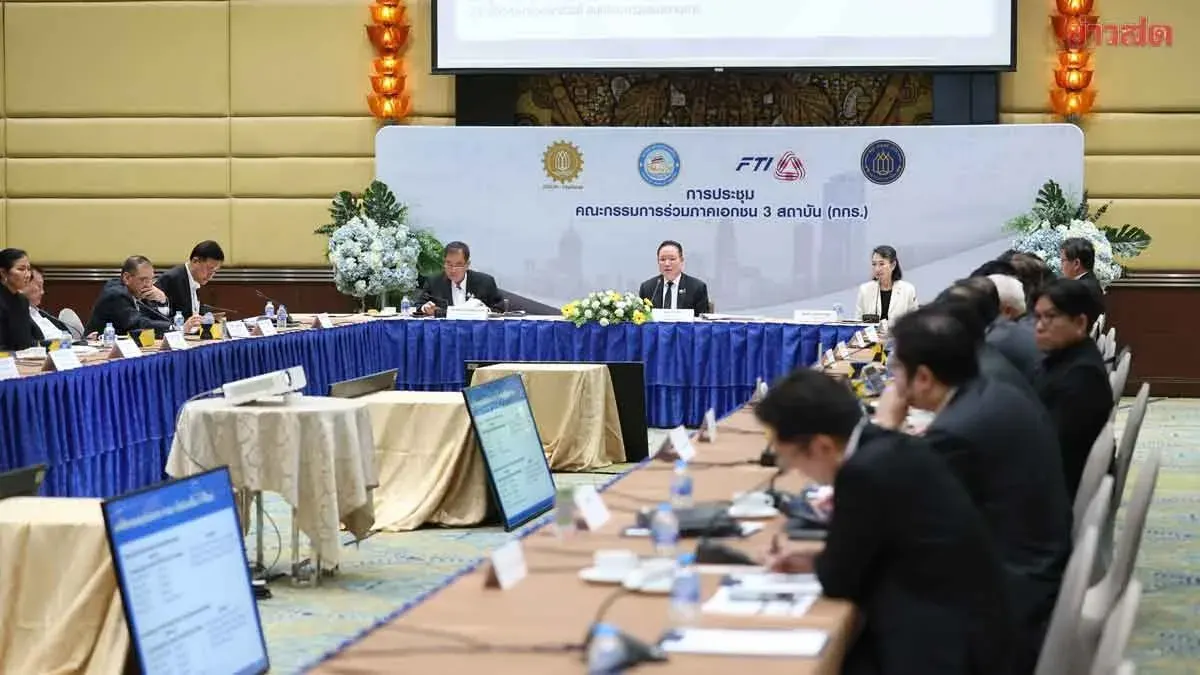
The Joint Private Sector Committee (JPSC) assessed that the energy crisis has peaked following easing Middle East tensions, with oil prices expected to stabilize at around $75 per barrel in June 2026. Phayung Srivanit, chairman of the Thai Bankers Association and JPSC chair, reported that energy supply chain disruption risks are beginning to ease after US-Iran ceasefire negotiations, reducing manufacturing sector concerns. Oil prices have fallen from $75 to $68 per barrel since the ceasefire, with various commodities passing their crisis peaks.
Damaged oil infrastructure and low OECD strategic reserves suggest prices will not decline significantly further. The committee emphasized the need for continued focus on energy security, proposing regulatory adjustments such as refined petroleum exports to manage high oil stock levels and reduce the nation's energy costs.
"Although the Bank of Thailand recently adjusted 2026 GDP growth projections to 2.3%, Thailand's economy still exhibits K-shaped expansion," the committee noted. Household purchasing power remains weak due to rising living costs, a weakened labor market, and export slowdown, despite strong foreign direct investment that has not translated into equivalent economic and employment gains. Manufacturing capacity utilization remains low, particularly in traditional industries.
SME and informal sector entrepreneurs have not benefited from economic growth, necessitating urgent collaborative approaches to leverage technology and FDI to enhance business potential and labor productivity. The committee supports SME participation through Thailand Content and Regional Value Content strategies amid aging society pressures that will further stress Thai labor productivity.
The committee supports structural economic reforms to boost competitiveness. While Thailand's IMD ranking improved to 26th in 2026 from 30th previously, multiple areas require acceleration. The committee projects 2026 Thai economic growth at 1.6-2%, exports at 8-10%, and inflation at 2.5-3%.