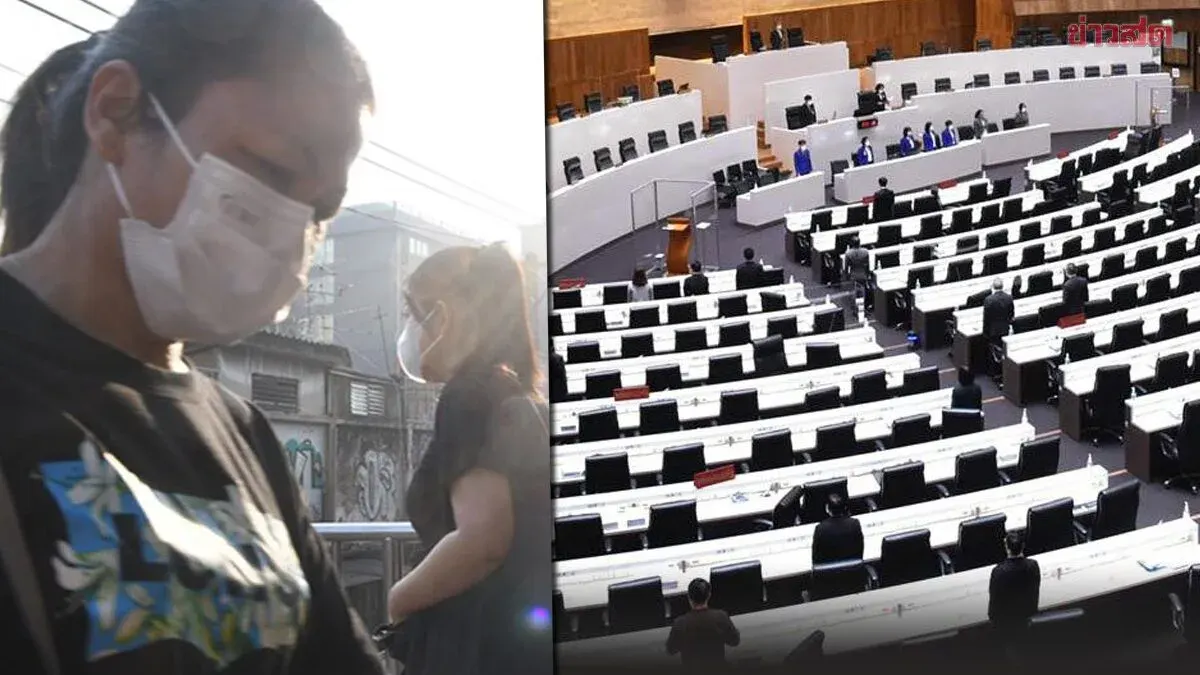
Anti-Money Laundering Panel Flags Airport Drug Smuggling Gaps
A parliamentary anti-money laundering committee revealed security gaps at Suvarnabhumi Airport after a Thai Airways flight attendant was accused of smuggling heroin to Australia, prompting plans to deploy drug-detection dogs and modernize s
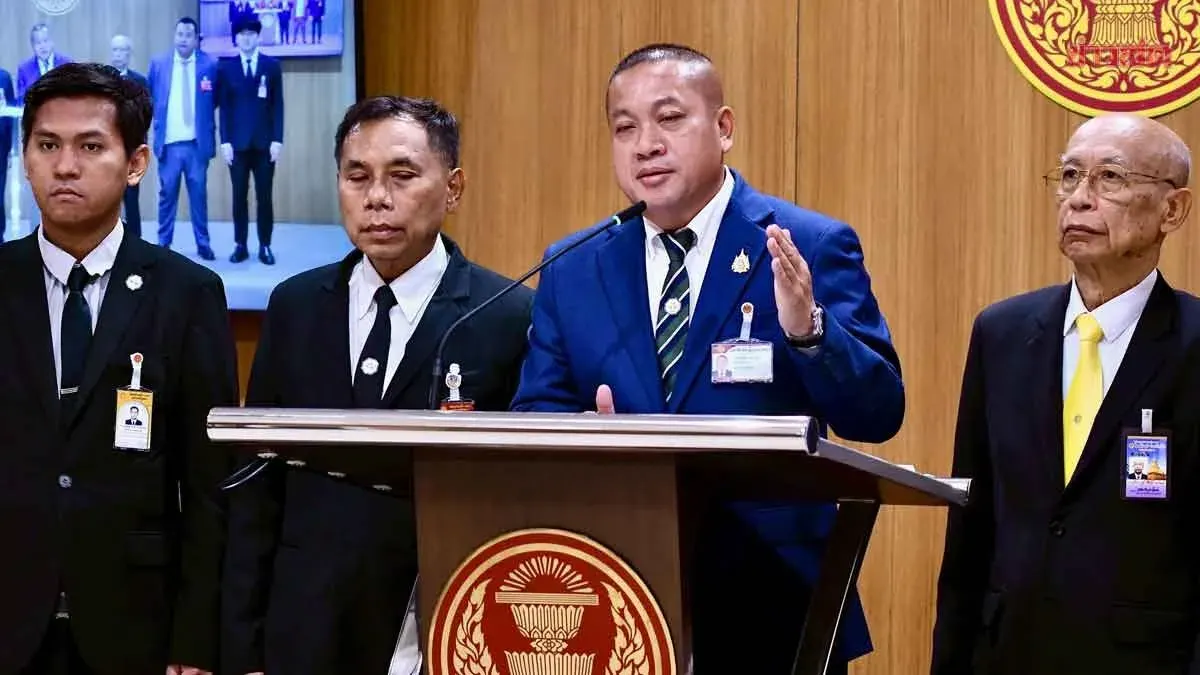
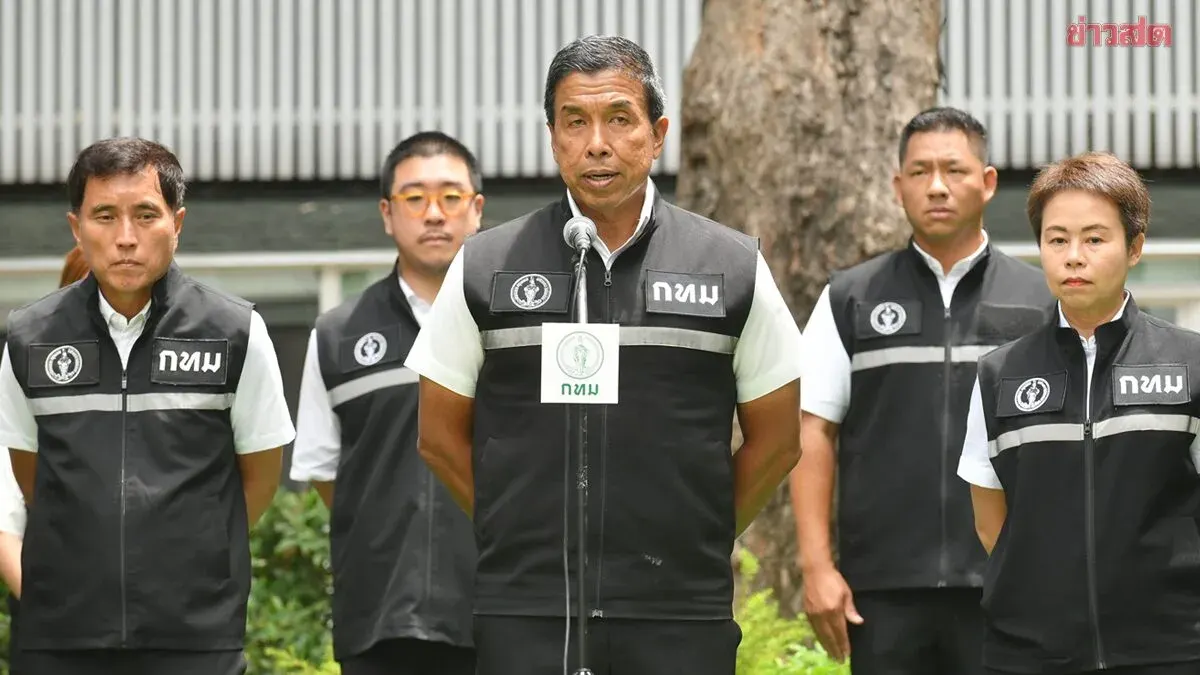
On July 9, 2025, Dachai Ekapatthapin, a Lampang MP and spokesperson for the parliamentary anti-money laundering and narcotics suppression committee, announced findings from a hearing on a Thai Airways flight attendant accused of smuggling heroin into Australia. The committee summoned relevant agencies including Thai Airways, Airports of Thailand, and the Civil Aviation Authority to explain their procedures.
Investigators found significant gaps in airport security. Suvarnabhumi Airport has 20 explosive-detection dogs but no dedicated narcotics detection unit, relying instead on the Police Narcotics Bureau and occasional Customs checks. The committee noted that the Prime Minister has ordered K-9 units to be deployed at Suvarnabhumi to strengthen drug detection.
Long-term improvements will include modern technologies such as biometric screening, advance passenger data, and inter-agency data integration, along with increased use of drug-detection dogs.
The committee also raised concerns about international money laundering linked to suspicious fuel exports. Between February and June, over 10 million liters of oil per month were exported to Laos at approximately 20 baht per liter, while Thai consumers pay around 40 baht per liter. This discrepancy stems from excise tax exemptions that allow cheaper fuel purchases. The committee questioned whether the money used to buy this fuel—which is then sold abroad—originates from drug trafficking, scams, or other illicit sources. The Excise Department was urged to close legal loopholes enabling these exports to high-risk areas.