Environment Minister Orders Toxic Waste Cleanup Across 8 Eastern Provinces
Natural Resources and Environment Minister Suchat Chomklin has launched a 90-day nationwide crackdown on illegal toxic waste dumping across eight eastern provinces, acting on Prime Minister Anutin Charnvirakul's orders. Two sub-committees will coordinate enforcement and legal action to trace the entire supply chain, prosecute offenders including complicit officials, and restore contaminated sites, with a deadline to show concrete results.
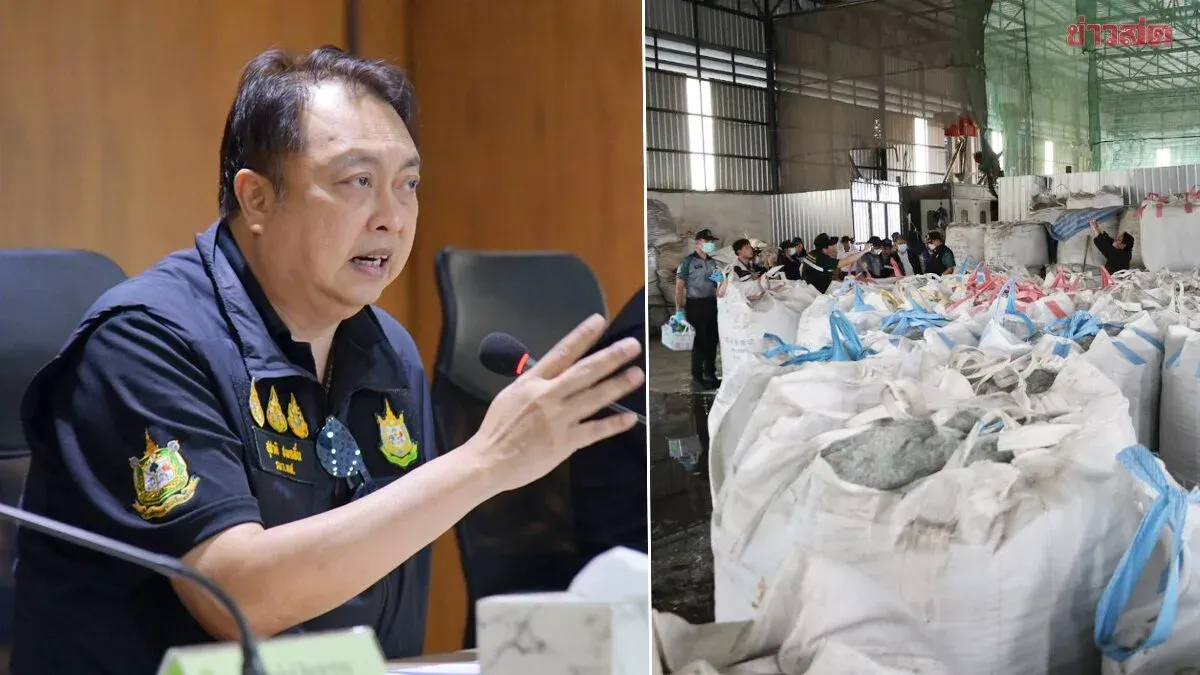
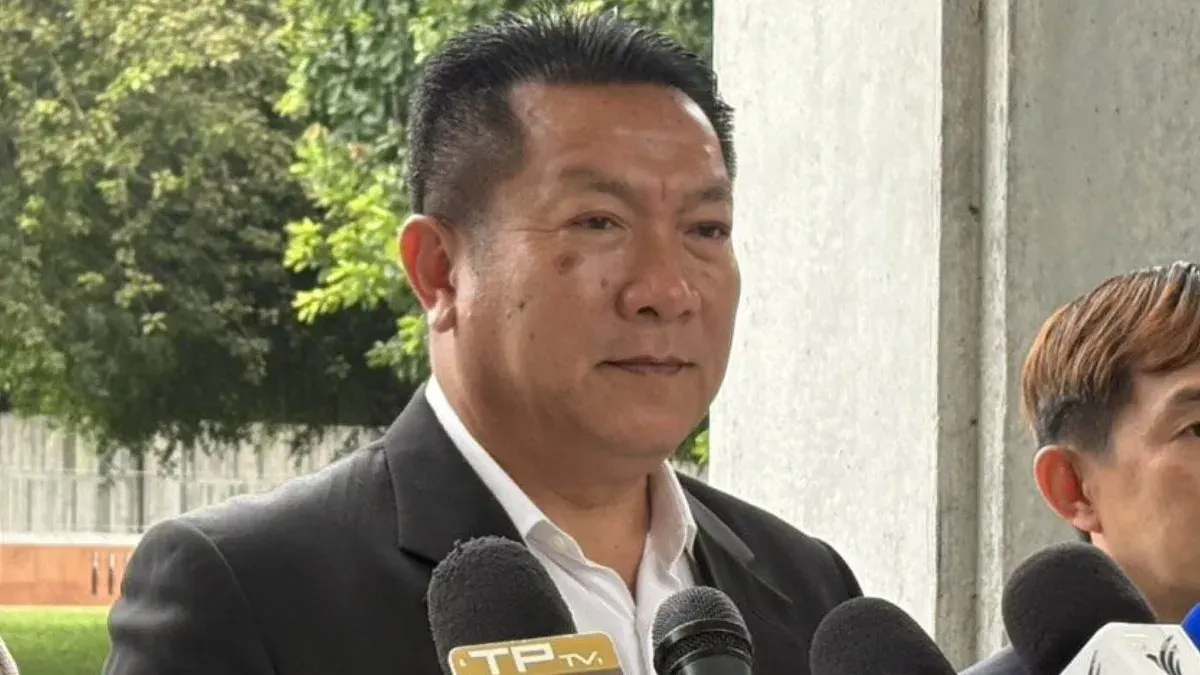
At 10:00 a.m. on November 29, 2026, Natural Resources and Environment Minister Suchat Chomklin, in his capacity as chair of the Eastern Region Disaster Prevention and Mitigation Committee, launched a serious crackdown on toxic waste and industrial slag. He announced a drive to root out the clandestine dumping and burial of hazardous waste, establishing two sub-committees — one for suppression and one for legal enforcement — to integrate manpower from all agencies, expand investigations, and pursue cases against violators decisively. A 90-day deadline was set for visible, tangible results.
At a follow-up meeting on toxic waste and industrial slag at Prachinburi Provincial Hall, Suchat issued urgent directives to the governors and relevant agencies in the eight eastern provinces — Prachinburi, Chonburi, Rayong, Chanthaburi, Trat, Chachoengsao, Nakhon Nayok, and Sa Kaeo — to join forces in closing loopholes for illegal industrial waste dumping that impacts natural resources and the environment, including water sources, soil, air, agricultural produce, and public health. Prachinburi, in particular, has faced an accumulating problem.
Suchat said the government under Prime Minister Anutin Charnvirakul takes the issue seriously. Going forward, no agency can shirk responsibility by claiming "it's not our duty." All sides must work systematically, inspecting violations in every channel: licensed factories that secretly dump slag, illegal factories or those operating beyond legal limits, as well as abandoned warehouses, ponds, and forest or agricultural land used as covert hazardous waste burial sites.
He outlined five operational guidelines: 1) Prosecute decisively without exception — whether Thai or foreign investors, influential figures, or state officials negligent in their duties. 2) Trace the supply chain to its source — from waste transporters to originating factories to ultimate beneficiaries — and immediately coordinate with the Anti-Money Laundering Office and the Department of Special Investigation if money laundering or special cases are suspected. 3) Manage accumulated toxic waste and prevent new dumping by accelerating scientific site restoration and enforcing the polluter-pays principle. 4) Protect the public by assessing environmental and health impacts, disclosing information transparently, and establishing a whistleblower protection system. 5) Mobilize local communities, with provincial governors coordinating district chiefs, local administrators, village heads, and community networks to closely monitor and inspect risk areas.
"I want to see clear problem-solving, not just meetings or reports. There must be real action, real inspections, real arrests, and prosecution of those behind the scenes. The government will support law-abiding businesses but will not allow anyone to use the eastern region as a toxic dumping ground or profit from public suffering. Within 90 days, every agency must show this problem is being managed concretely. We will not let toxic waste become a wicked legacy passed to our children, and we must return a safe environment to the people," Suchat said.