Ex-Justice Minister: Five Officials Scapegoats in Exam Fraud
Five low-level officials are being made scapegoats in Thailand's massive civil service exam fraud scheme, which involved about 9,000 bribery payments totaling hundreds of thousands of baht each, according to a former justice minister callin
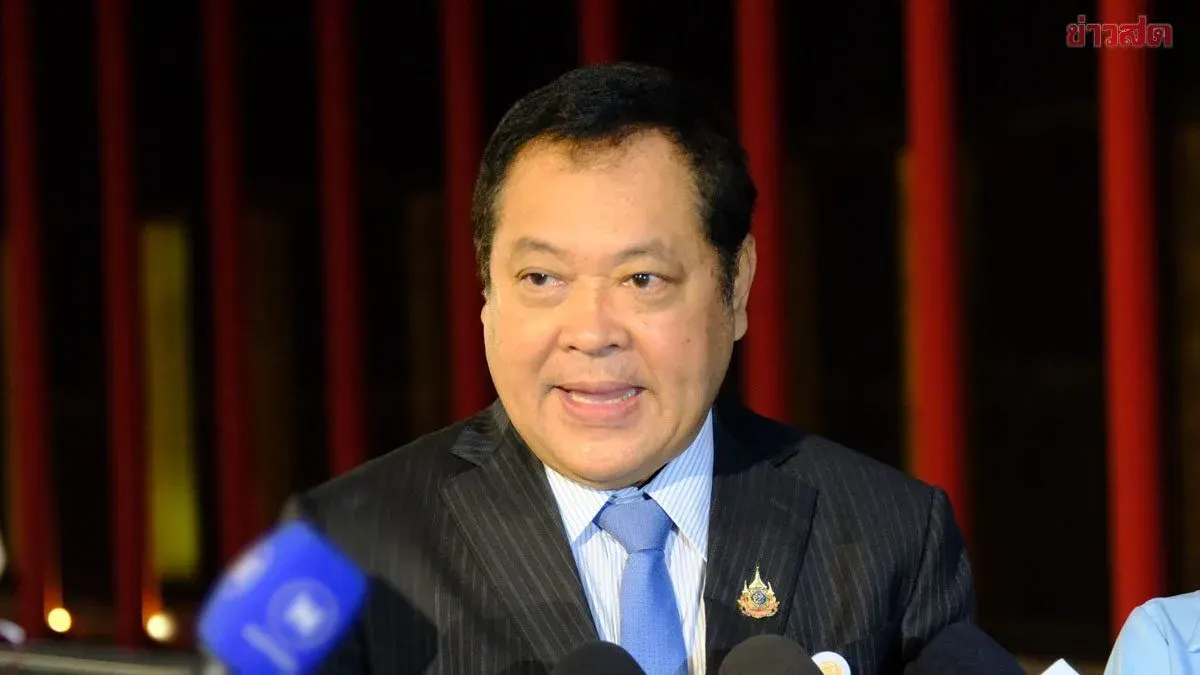
On July 4, 2569, former Justice Minister Thawee Sodsong, Prachathai Party leader and MP, posted on Facebook stating: "Using digital verification techniques and witness protection measures to expose those orchestrating the local government exam fraud scheme."
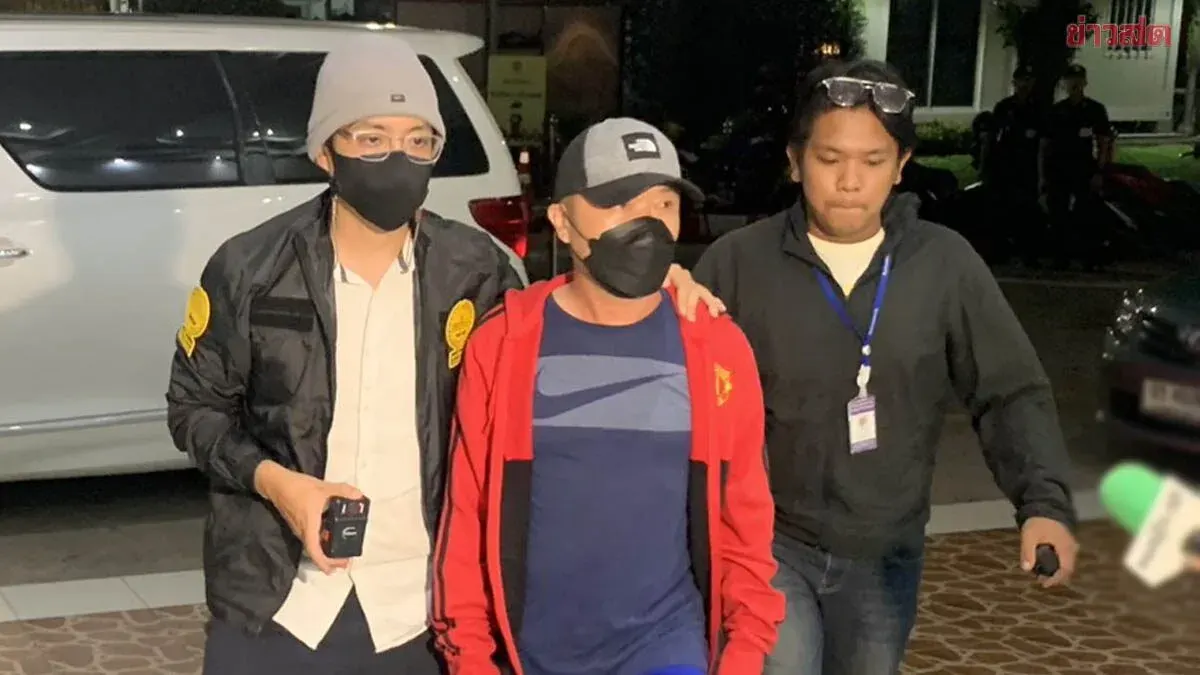
The massive corruption case involves the 2568-2569 civil service and local government employee entrance exams that are currently destabilizing Thailand's bureaucracy. After the Prime Minister and Interior Minister announced a seven-day investigation finding five operational-level officials from the Department of Local Administration committed serious disciplinary violations, Thawee argues these five are merely "scapegoats" pushed forward to take the fall for a powerful criminal network.
Comparing statements from Srinakharinwirot University with the facts reveals key indicators of the crime. The university clearly outlined procedures: after processing raw scores and delivering a flash drive to the Department of Local Administration (DLA), the DLA reviews the names and returns results to the university for stamping before official announcement.
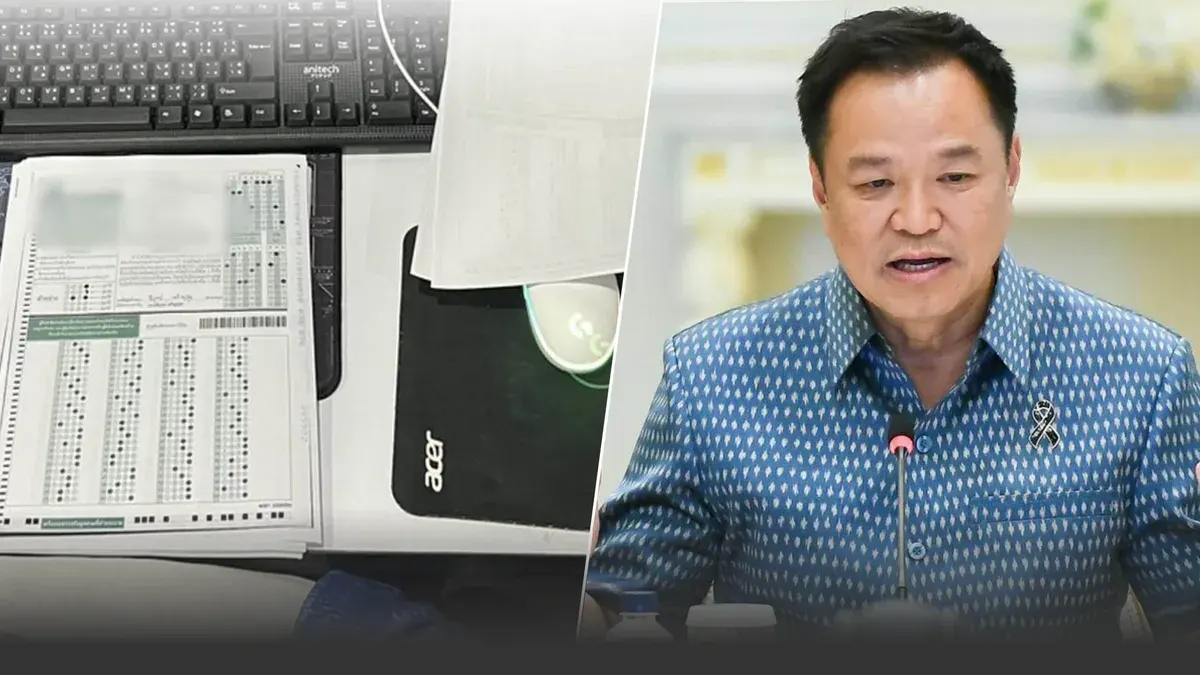
This timeline shows that while the score data flash drive was in DLA personnel's possession, a scheme involved secretly opening Excel files to alter scores—for example, changing raw scores from 37 to 74 points—to help exam applicants who paid for positions. Approximately 9,000 people were involved and paid bribes of 350,000 to 800,000 baht each, far exceeding the actual 6,669 available positions.
Thawee advocates using systematic digital forensic techniques to trace perpetrators. He recommends the Anti-Corruption Commission send backup score files to the Institute of Forensic Science for digital forensics analysis to detect score alterations across over 400,000 applicants, identifying bribery charges under Criminal Code Section 144 and related offenses.
The investigation should employ legal measures to interview test applicants who paid bribes or served as middlemen, using them as witnesses to trace the chain from payers to those who collected bribes and ultimately to the mastermind orchestrating the scheme.
Most critically, Thawee emphasizes that politically influential individuals benefiting from and abusing the system operated through networks and organized methods, including buying positions and allocating quotas to relatives of the powerful.