Ex-Official Charged in Massive Local Exam Fraud Scandal
Former local government official Theerutham Suphavibulpon denies six corruption charges related to a massive exam fraud scheme involving over 5,900 altered test scores and 13 suspects across Thailand.
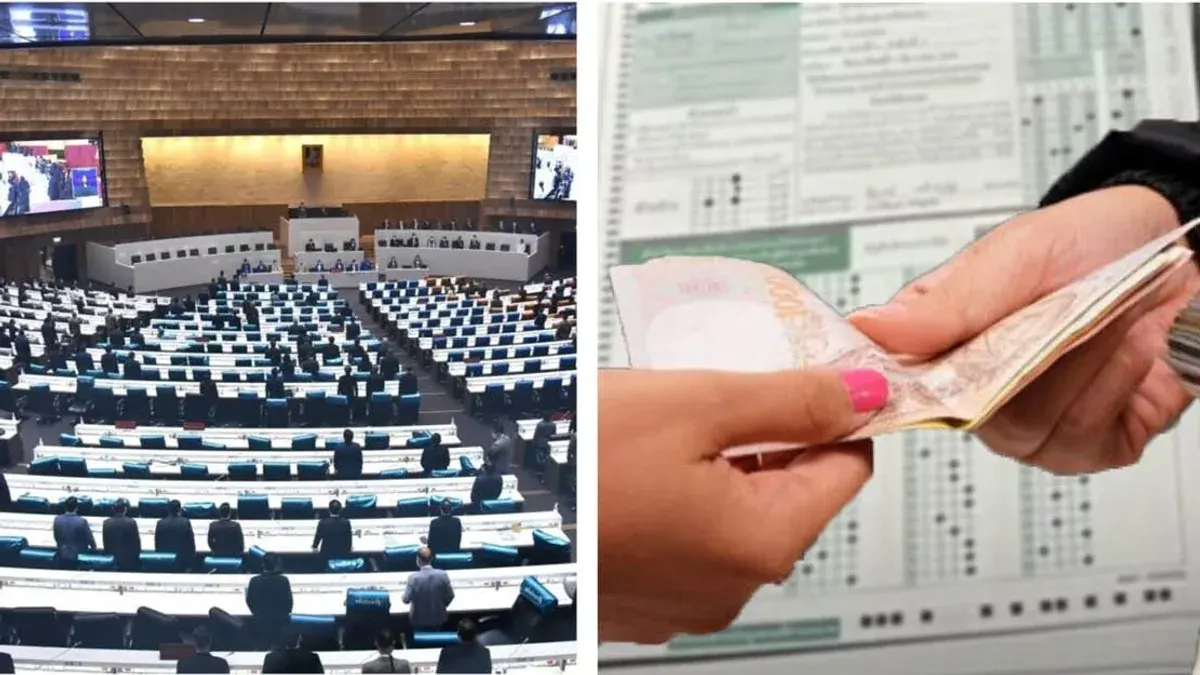
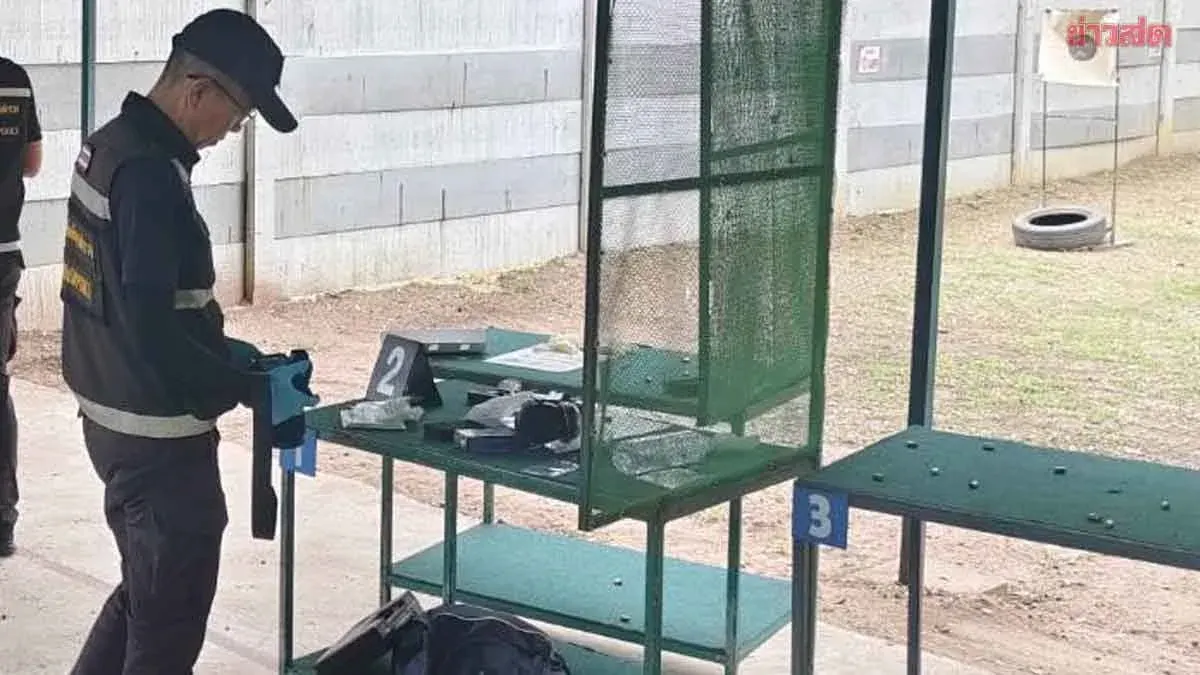
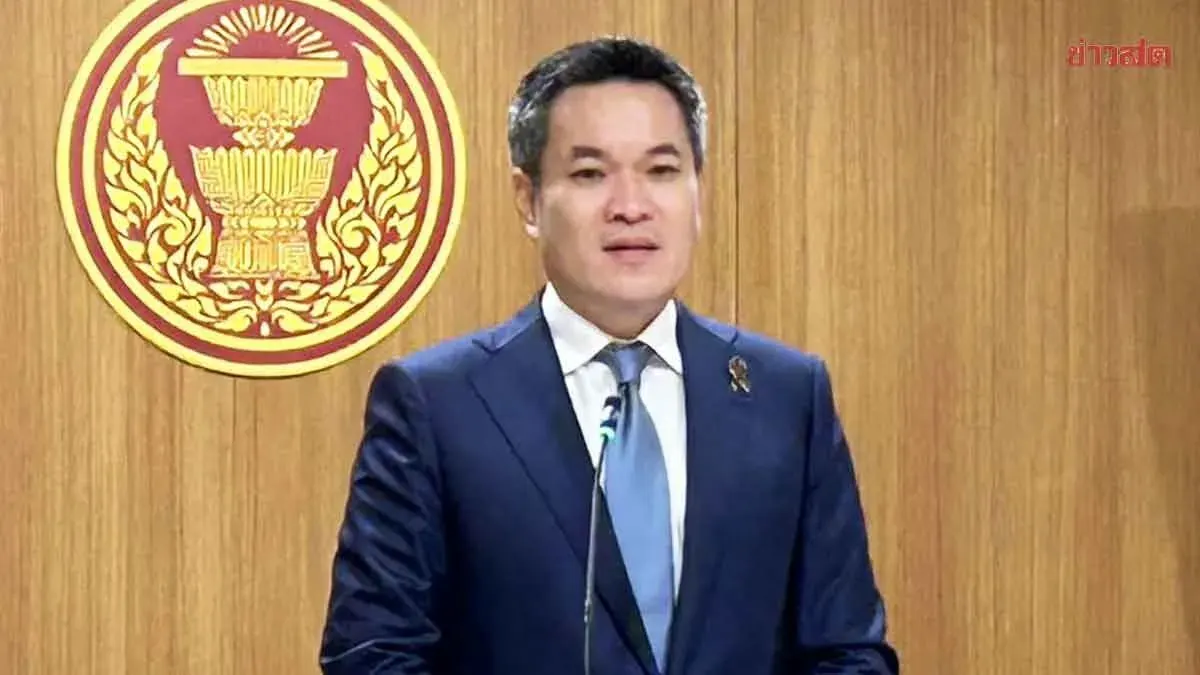
Theerutham Suphavibulpon, former director-general of the Department for Local Government Promotion, appeared before the Anti-Corruption Division to face six charges related to improper performance or omission of duty, falsification of government documents, and certification of false documents. After giving an initial statement, he denied all accusations and demanded to fight the case in court, maintaining that his examination administration followed proper procedures as chairman of the local government employee examination committee and that this constitutes his right to contest the allegations in court. In the broader exam fraud case, police have identified 13 suspects. Eleven are local government officials caught altering answer sheets and face charges under computer crime laws. The other two are Theerutham and the director of Mahasarakham University's Education and Psychology Testing Office who won the examination contract. The Anti-Corruption Division expects to finalize findings for submission to the National Anti-Corruption Commission on August 12 for further investigation. The highest-ranking official charged is the former director-general. Separately, the Interior Ministry is handling 5,925 individuals whose exam scores were altered and will revoke their appointments as local government employees. The provincial civil service commission will notify each local government organization to remove the incorrectly placed candidates and replace them with properly ranked alternatives. However, complications remain: 561 candidates have not yet been registered, and 97 others already hired have had their scores inflated. The Interior Ministry's handling of these cases and potential litigation remain uncertain. Analysts note that the scale of this exam fraud scheme resembles the notorious parliamentary election fraud case, with both politicians and major political parties implicated. The question arises whether exam fraud and electoral fraud ultimately represent the same systematic process.