Thai Anti-Corruption Agency to Charge 6,000 in Exam Fraud
Thailand's National Anti-Corruption Commission says it will file charges against more than 6,000 people accused of cheating in local civil service exams, with the announcement expected by the end of November. The case involves middlemen who received extra payments and includes two Department of Special Investigation officers referred by the Anti‑Corruption Police. Three suspects were released earlier after reaching the legal detention limit, prompting the NACC to explain delays and say it is preparing a uniform charge sheet for all defendants.
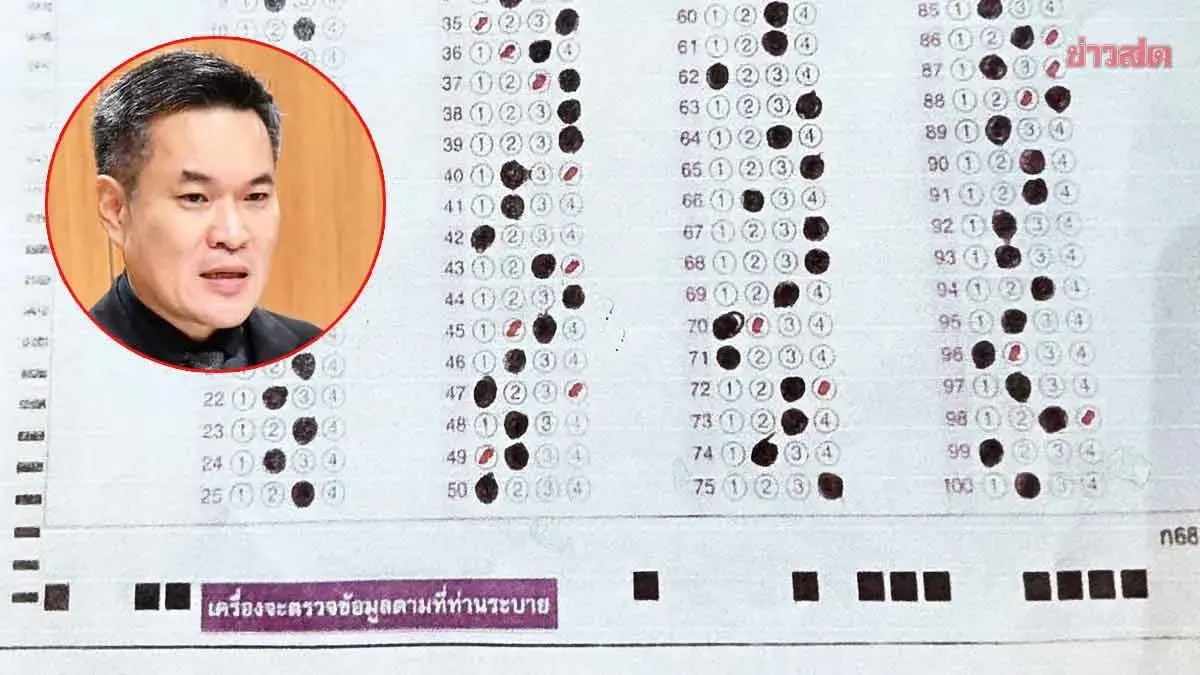
The NACC announced it is preparing to issue charges against more than 6,000 individuals for fraud in local civil service examinations, with the move expected by late November. Investigators said that secondary intermediaries had received additional payments and that the case involves officials from the Department of Special Investigation (DSI); the Anti-Corruption Police (BP PBB) have already submitted their complete file. At a parliamentary meeting on 8 October, Asapol Sranithiphol, chairman of the House Committee on Prevention and Suppression of Corruption and Malfeasance, said the NACC had called in representatives from the NACC itself, the Anti-Corruption Police, and police from Nakhon Nayok, Nakhon Ratchasima, Phatthalung, Phetchabun, Satun and Sisaket, along with other relevant agencies. The NACC explained that three suspects released on 7 October had been freed because the legal limit of seven detention rounds had been reached, not because the NACC delayed its investigation. It clarified that the offense charged carries a maximum of four detention rounds, which the Anti-Corruption Police had already used, leaving the NACC able to detain for only three further rounds when taking custody. The NACC added that if it had handled the case from the start it would not have used detention at all, given its lengthy fact‑finding process, but having received the case from the Anti‑Corruption Police it tried to expedite proceedings, still missing the seven‑round deadline. Asapol said the NACC admitted there are no measures to prevent the released suspects from fleeing, but would pursue extradition if they leave the country. The NACC is now drafting a uniform charge sheet to be presented to its commissioners, aiming to file the charges against all 6,000-plus suspects together by the end of November, a delay from the earlier target of late October due to additional suspects and information emerging during the inquiry. Once charged, each person will have 15 days to respond, with a possible 15‑day extension, or may choose not to respond. The NACC has formed seven investigation teams of five to six officers each, responsible for about 300 cases per investigator; over 1,000 statements have already been taken. Although no witnesses have been formally designated, many have come forward offering to testify. Regarding the main intermediaries, the NACC has examined 44 leads so far and is working to complete 110 leads from the primary intermediaries; it has also identified 52 secondary intermediaries who received money and passed it on, and confirmed they will be included in the 6,000‑plus charged. The Anti‑Corruption Police have forwarded two DSI officers as suspects, having submitted a complete file on 15 [month unclear].