Ex-Pheu Thai Candidate Apologizes Over Misogynistic Group Membership
The user wants a short summary (1-2 sentences, 120-220 chars, max 240) of the article about ex-Pheu Thai candidate Suphalak Bunkit apologizing for being in a misogynistic Facebook group. Key facts: - Suphalak Bunkit, former Pheu Thai party-
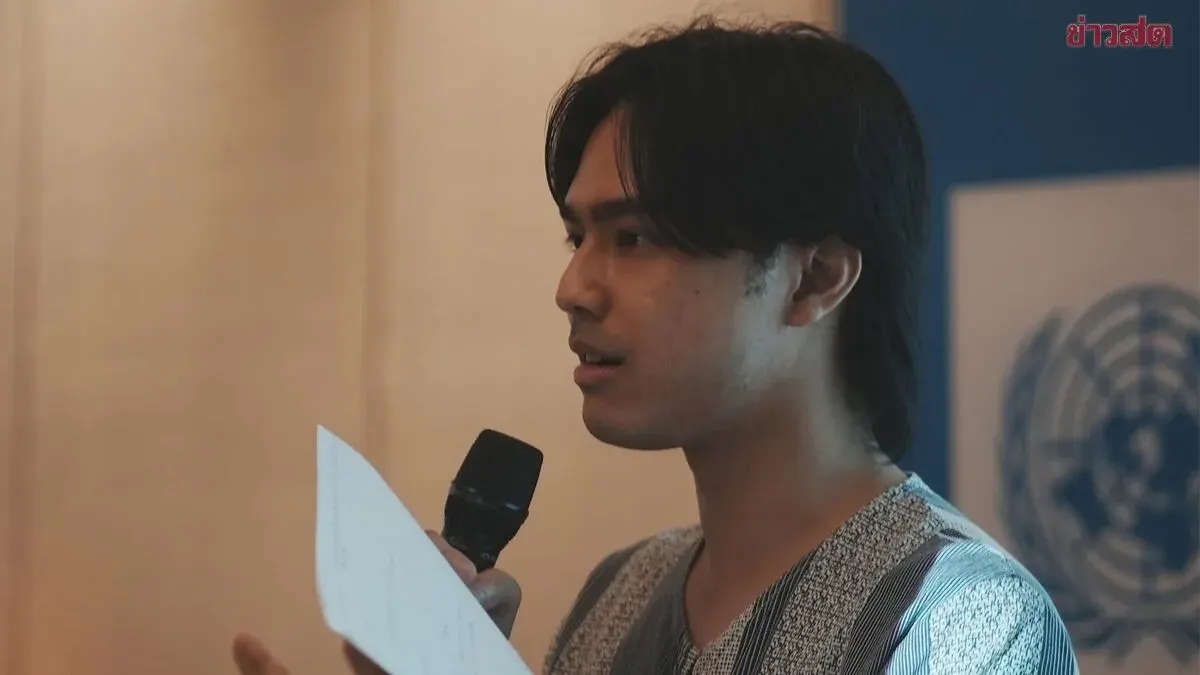
On October 29, 2026, criticism erupted in the writing community after images of female writers were posted in a Facebook group to hunt down their personal accounts. Some posts contained sexually threatening language, and the group was found to include writers, politicians, and social figures.
Suphalak Bunkit, a former Pheu Thai party-list MP candidate, posted an explanation on Facebook:
1. He admitted being in the group, saying he joins every group and follows every page that appears in his feed to understand different 'bubbles,' including groups opposing migrant labor, anti-protest groups, and men's rights groups. He initially intended to share the group link as a case study but the group was already deleted.
2. He claimed the group appeared in his feed and he entered normally; at first there were no harassing comments like those seen later. He never commented or actively visited the group, only seeing posts via his feed.
3. He only became aware of the controversy on the night of October 27. He didn't leave immediately, believing his presence didn't equal endorsement, noting he belongs to many groups with diverse opinions. He compared it to past public 'exposure' pages for attractive men and women.
4. After reflection and discussions, he realized his thinking was insufficient. He was unaware that harassment resulted from the 'exposures,' with real victims receiving threatening messages and suffering mental harm. He acknowledged that merely being a member, even passively, supports such a culture. He compared it to joining a group explicitly created for illegal child exploitation – purpose matters.
5. He expressed regret and apologized to society and victims.
6. He supports women banding together to speak out, admitting his self-scrutiny was inadequate. He noted that countries with high gender equality all have persistent women's movements challenging male-dominated power structures.