Finance Minister Rules Out Oil Tax Cut, Backs E20-B20 for Farmers
Thailand's finance minister rejected oil tax cuts, citing high government spending and limited fiscal room, but said if tax relief becomes necessary it would target E20 and B20 biofuels to directly benefit farmers.
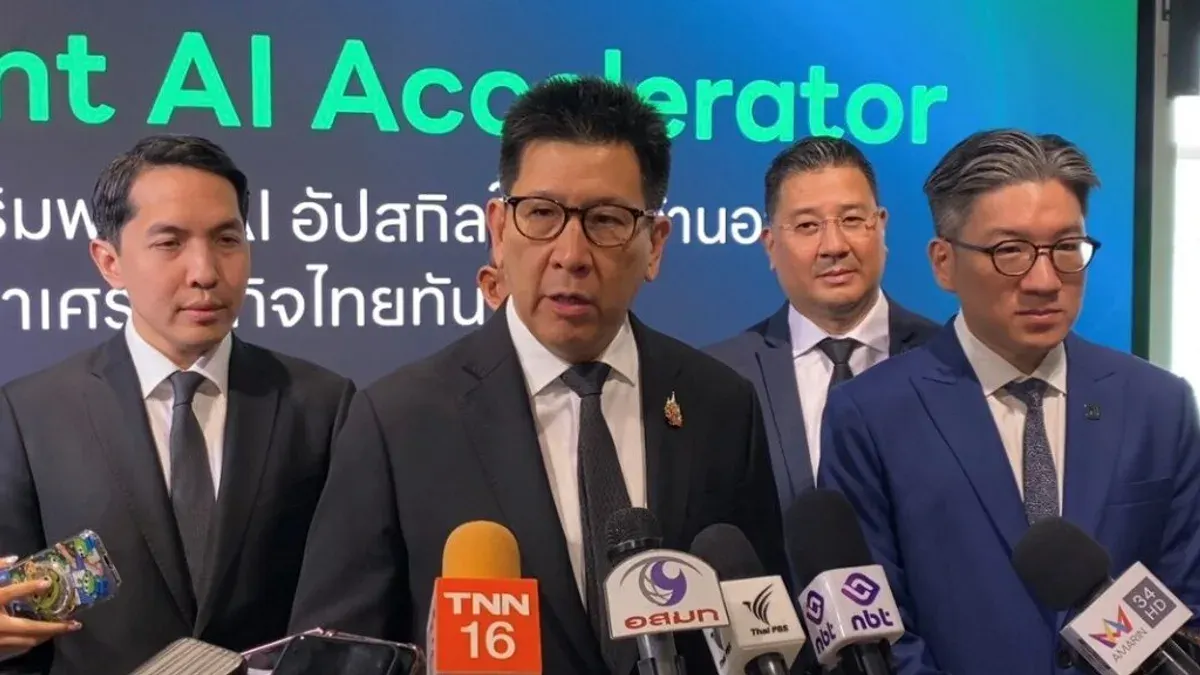
Deputy Prime Minister and Finance Minister Ekniti Nitithanpraphas responded to proposals to use remaining emergency relief funds to cut oil excise taxes, stating that Thailand has three main tools to manage energy prices: fuel fund allocations, refinery margin cooperation, and excise tax adjustments. The government has not yet implemented tax cuts because doing so would reduce state revenue while expenditures remain high, forcing the government to borrow more to compensate.
However, if tax measures become necessary, the government is considering targeting specific fuel blends such as E20 and B20, which contain high proportions of ethanol and biodiesel, so the tax benefits reach Thai farmers directly. E20 uses ethanol produced from sugarcane and cassava, while biodiesel is produced from palm oil.
Ekniti emphasized the importance of fiscal discipline, saying policy implementation must be timely and appropriate. For the current fiscal year ending in September, Thailand has only about 10 billion baht in remaining fiscal room. Reckless tax cuts could damage the fiscal position and trigger a financial crisis or cascading crises. For the next fiscal year, the government will reassess the fiscal gap before deciding on new policies.
Fitch Ratings assessed in its latest report that Thailand can manage energy challenges well while maintaining strong fiscal discipline, Ekniti said.