Yosachanan Pushes for Increased Research and Development Investment at First SOAWC Meeting, Designates Future Food as National Policy
Thailand's science minister called for increased R&D investment and designated future food technology as a national priority at a steering committee meeting, proposing a 20 billion baht funding target to strengthen the country's competitive
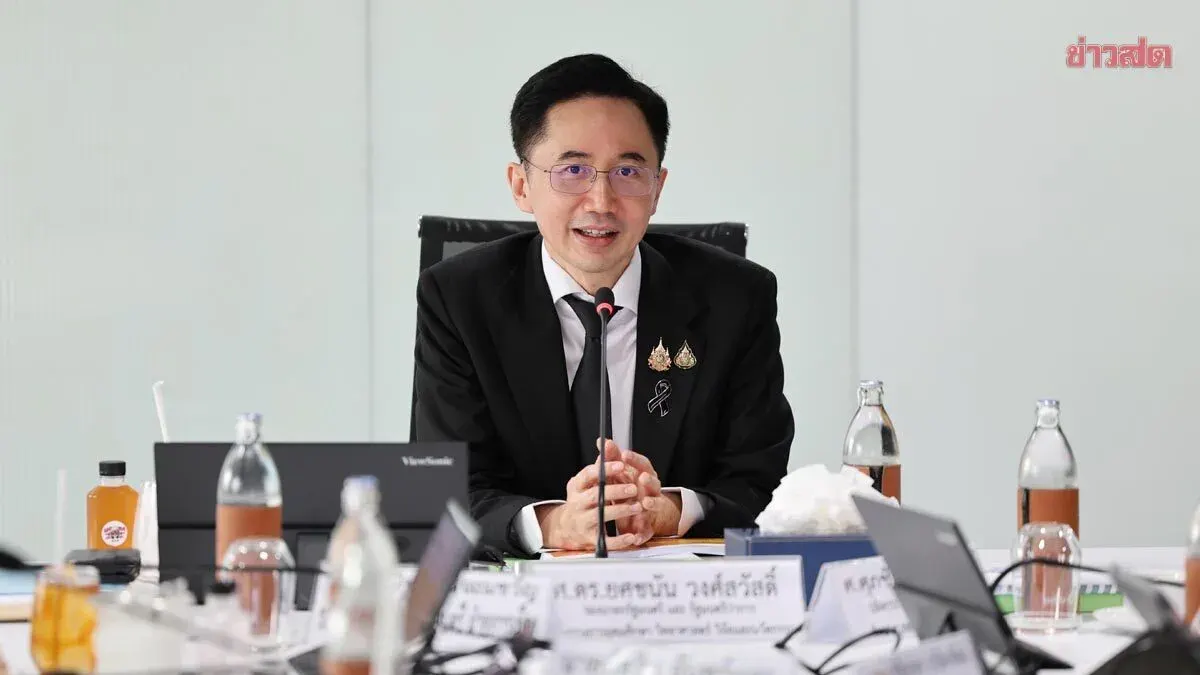
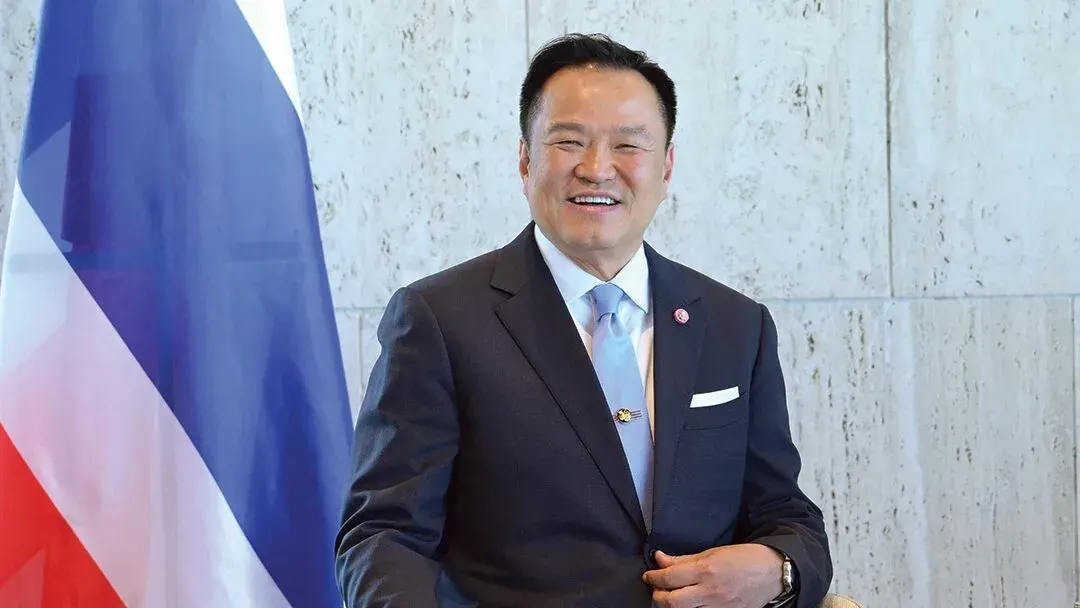
On May 23, 2025, Yosachanan Wongsawat, Minister of Higher Education, Science, Research and Innovation, chaired the 4th steering committee meeting of the Office of the National Science, Technology and Innovation Policy Council (SOAWC) at the SOAWC headquarters with both in-person and online participation. Director Surachai Statkunarat served as committee member and secretary.
Yosachanan stated that the government is accelerating efforts to strengthen coordination and unity in work related to the National Higher Education, Science, Research and Innovation Policy Council across both higher education and science, technology, research and innovation (STRI) sectors. Thailand possesses substantial knowledge, research work, and potential from various fund management units (PMUs) and universities, but has lacked strategic integration. He emphasized the need to consolidate this knowledge into important national clusters to create new industries and develop future human resources that address global changes.
"What we are doing is linking mechanisms of SOAWC, PMUs, universities, and the private sector to create a new Growth Engine for the country. Each organization has its own data and strengths, so we should consolidate and categorize research results by topic areas such as semiconductors, artificial intelligence (AI), biotechnology (Biotech), and advanced medicine to mobilize knowledge for analyzing needs in human resource development and STRI investment, and to reflect the country's true requirements," Yosachanan said.
Yosachanan also discussed the necessity of increasing the country's research and development (R&D) investment, proposing cooperation with the Board of Investment (BOI) to address constraints in accessing large-scale research funding. He suggested studying global fund models and investments such as Singapore's Temasek to develop measures attracting advanced technology and innovation investments to Thailand. National-level challenges including industrial transition, environmental crisis, and PM2.5 problems require large-scale investment and collaboration from government, private sector, and major investors to build new competitive capabilities.
"If Thailand can drive STRI investment to the 20,000 million baht target, it will be a crucial turning point for enhancing competitive capability and creating a new economic foundation for the country in the long term. We will move forward and study feasibility with BOI concretely," Yosachanan said.
Surachai briefed the SOAWC steering committee and presented an overview of SOAWC missions and major projects for 2025, including STRI system reform and the Higher Education, Science, Research and Innovation Policy and Strategy Framework 2014-2018, advancement of Thailand's future through agricultural and food technology, implementation of systematic measures and benefits for working-age human resource development, establishment of Thailand Foresight Alliance network partnership, mechanisms to accelerate SME transition to innovation-driven enterprises (IDE), the Social Innovation Policy Framework, and development of Regenerative Tourism innovation policy to promote community-based tourism.