Government Plans To Cut Redundant Agencies, Trim Local Official Pay
The government plans to shut down redundant provincial branch offices and shift services online, while also standardizing pay for local officials who currently earn more than some central ministry leaders.
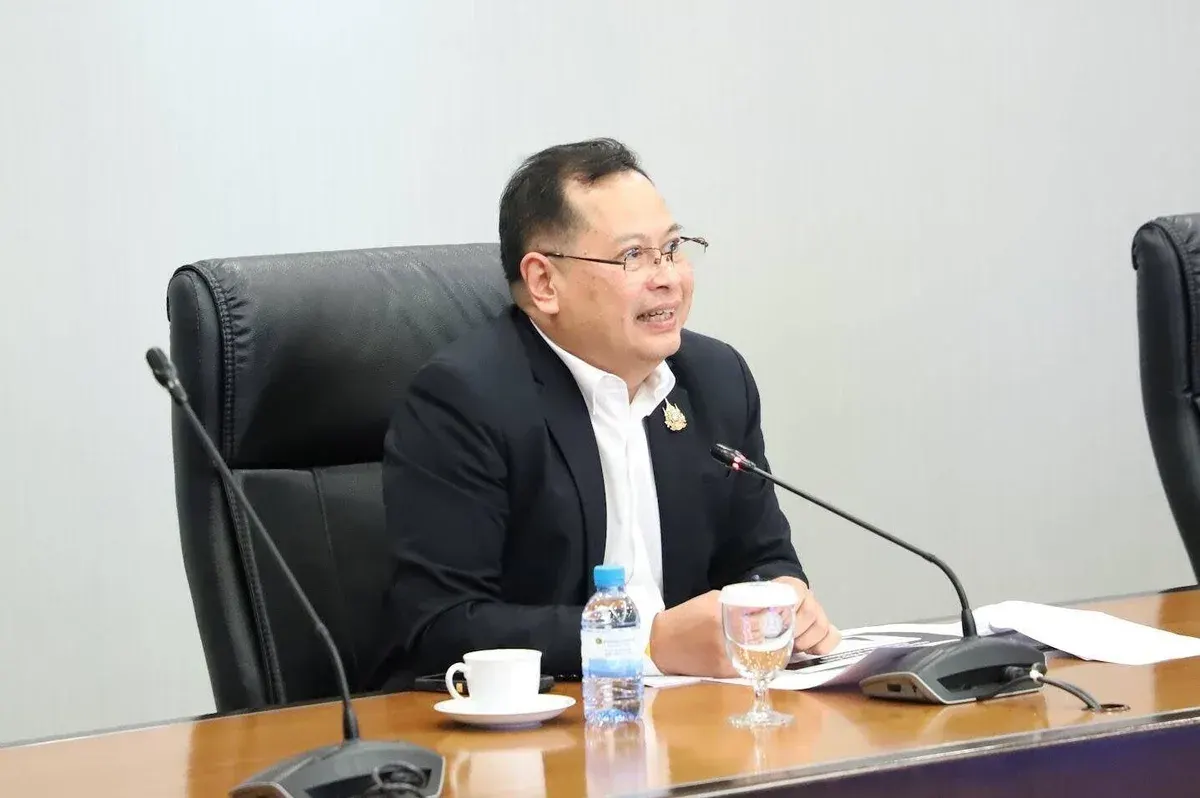
The government is preparing to dissolve central government offices operating in the provinces after discovering overlapping duties with provincial governors and budget waste. Deputy Prime Minister Pakorn Nilprapart revealed that the Office of the Public Sector Development Commission will propose to the cabinet that it close regional branch offices and shift services to online and computer systems instead. Multiple state agencies currently maintain provincial branches in various provinces, creating work that duplicates the authority and responsibilities of provincial governors. Significantly, these branch offices lack legal backing under civil service regulations. The Public Sector Development Commission has decided to transition these offices from physical branches to online and computer technology services for the public. This restructuring aims to tighten the bureaucracy, reduce redundancy, and correct legal violations. The government will support affected personnel through transfers back to central offices or voluntary early retirement programs. "Establishing central government offices in provincial areas is actually illegal because there is no legal framework to support it," Pakorn said. "We will propose that the cabinet end these roles and return to online systems instead of maintaining numerous branches that waste the budget. The world has changed—the need for branch offices has diminished greatly because we can use computer technology to manage documents and work instantly, and it also makes corruption prevention easier through standardized nationwide inspection systems." The government is also reviewing compensation structure reforms for local administrators after discovering salary and benefit disparities harming the central civil service. Local officials in some areas earn more than ministry permanent secretaries who oversee nationwide policies and major responsibilities. This inequity stems from local governments setting their own revenue-based salary standards without aligning to the civil service standards that apply to central officials. The government plans to assign the Comptroller General's Department to establish centralized accounting to standardize work practices and local budget spending for efficiency and transparency. "How can a municipal clerk earn more than a ministry permanent secretary who oversees the entire nation and manages enormous tasks?" Pakorn said. "We must make major adjustments by deploying technology and reducing unnecessary personnel to align the entire structure with inspectable management standards. We aim to introduce new working methods suited to the changing world, with neutral accounting standards so the government can verify that budget spending is worthwhile and truly benefits the people." Pakorn also discussed promoting birthplace tax policy to incentivize large companies to support their home provinces.