IMF Urges Thailand to Build Resilience, Cites AI‑Driven 2.1% Growth
The IMF warns Thailand to build economic resilience, forecasting 2.1% growth for 2026‑2027 and inflation of 2.1% then 1.7%. It highlights risks from rising commodity prices and notes AI‑related investment and trade are helping offset global pressures. The fund urges fiscal consolidation, rebuilding buffers, and maintaining price‑stable monetary policy.
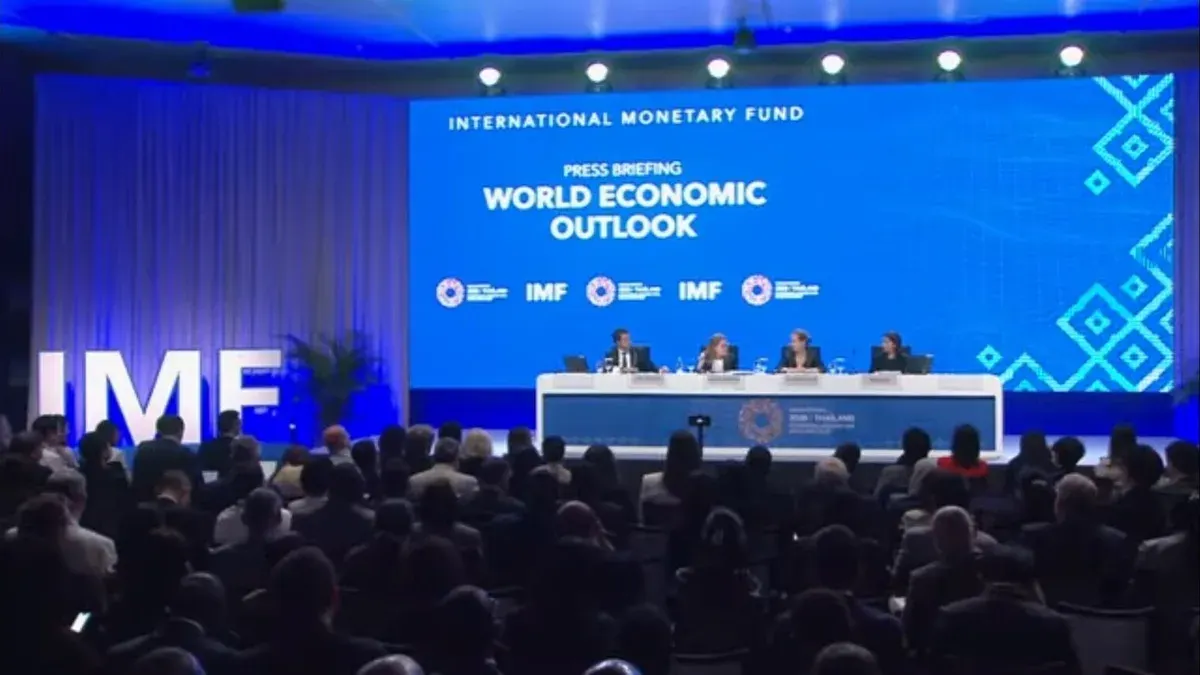
IMF projects Thailand’s economy will expand by 2.1% in both 2026 and 2027 after emerging from deflation, with inflation expected at 2.1% in 2026 and declining to 1.7% in 2027. As a net energy importer, Thailand remains exposed to global energy price swings but receives some support from regional AI‑driven growth, particularly in countries linked to technology supply chains such as South Korea, Singapore, Vietnam, Malaysia and, to a lesser extent, Thailand itself. The fund cautions that AI‑related expansion is concentrated in a few nations, sectors and large firms; if markets reassess AI returns, asset prices could correct and investment demand fall, while rising cyber‑threats could jeopardise financial stability. World trade grew a cumulative 8.3% from 2023 to 2025, while trade in AI‑related goods surged 29%; excluding AI trade, global trade would have risen only 4.6%, underscoring AI’s impact on the world economy. IMF examined several AI scenarios: genuine productivity‑boosting growth that lifts economic activity with little inflationary pressure; cases where investment expands but productivity lags, yielding modest growth and higher inflation; and situations where optimism about AI profits wanes, cutting demand across the economy. Higher commodity prices could exacerbate global headwinds; IMF modelled a scenario where commodity prices stay high and rise 17% in 2026 and 40% in 2027. Combined with higher long‑term government borrowing costs and rising inflation expectations, growth in both advanced and emerging economies in 2027 could fall 0.5‑0.6 percentage points below baseline, with inflation rising significantly. IMF therefore urges countries with high public debt and fiscal deficits to begin consolidating their budgets to reduce deficits and debt over time, while rebuilding fiscal buffers for future shocks. If support is needed, measures should be temporary and targeted at vulnerable groups rather than broad‑based spending that could stoke prices and strain finances. Monetary policy must prioritize price stability; central banks should keep policy tightness appropriate to inflation and economic conditions and preserve operational independence. For Thailand, the focus is on ...