Deputy PM Sets 3 Economic Goals After IMF-World Bank Hosting
Deputy Prime Minister and Finance Minister Ek Niti Nitithamprasart outlined three post‑IMF‑World Bank economic targets: GDP growth above 3%, investment rising to 30% of GDP, and a top‑20 global competitiveness ranking. He stressed that benefits must reach local communities and Thai citizens, and that investment builds lasting assets and productivity. The goals were set jointly by government and private sector to sustain Thailand’s next growth phase.
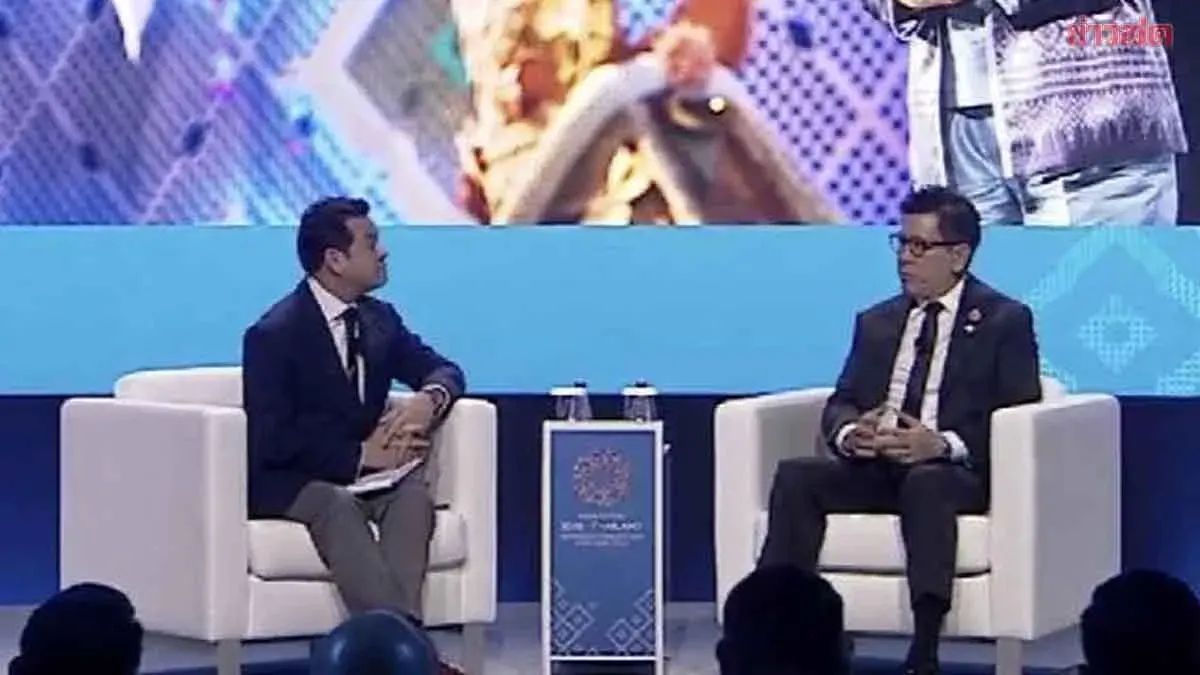
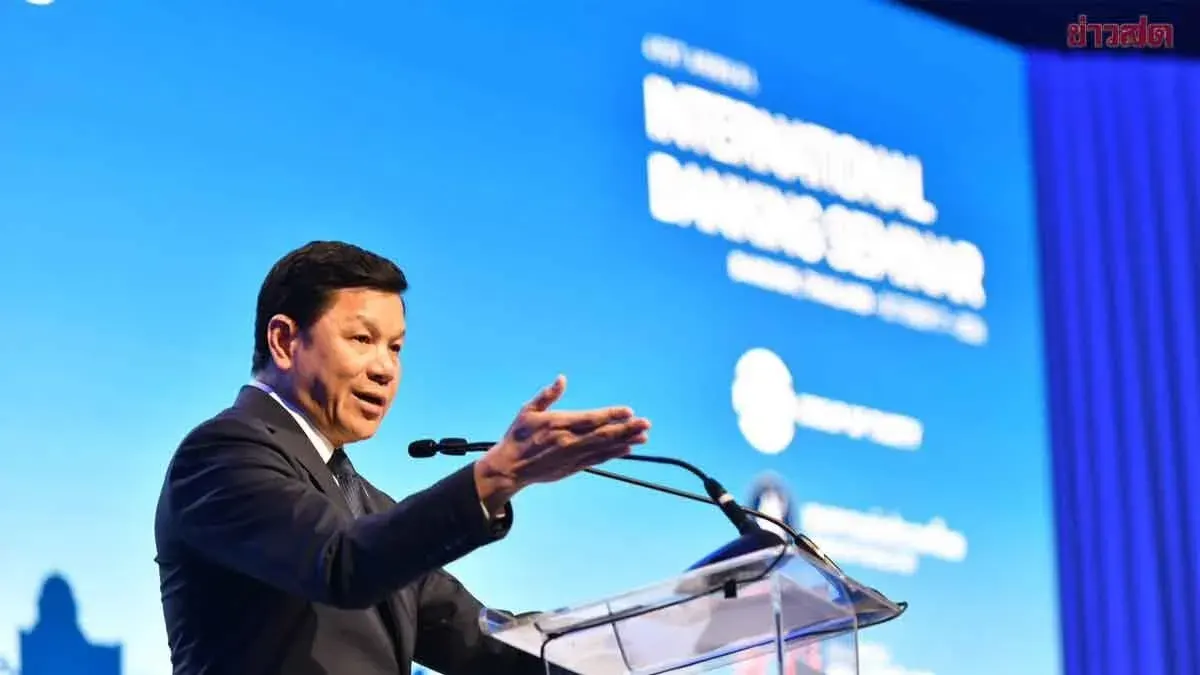
Ek Niti Nitithamprasart, Deputy Prime Minister and Minister of Finance, spoke at the Bangkok Dialogue Notes press briefing at the close of the annual IMF‑World Bank 2026 meeting. He said the outcome of hosting the event is not just a successful conference but is being turned into the country’s next economic targets. Together, the government and private sector have agreed on three indicators: raising Thailand’s economic growth potential above 3%, increasing the investment‑to‑GDP ratio from roughly 22% to 30%, and pushing Thailand into the world’s top 20 for competitiveness. Ek Niti explained that investment is the core focus because, unlike short‑term consumption stimulus, it creates assets, boosts productivity and generates future income, forming the foundation for a new growth cycle. Over nearly a week, Thailand gathered almost 20,000 international representatives, policymakers, ministries, central banks and private‑sector actors in Bangkok, holding about 50 formal and informal discussions. The country also established direct contact channels with economic and financial leaders from many nations. Ek Niti said Thailand is no longer merely a host; it has helped shape the agenda and is shifting from a recipient of global economic direction to a partner proposing directions with the IMF and World Bank, while acting as a Trusted Connector linking the 191 member countries. He added that a tangible outcome is opening the door to the ASEAN market of over 700 million people, after proposing that members set joint KPIs to boost intra‑regional trade, which currently stands at about 22%—far below the EU’s over 60%. Thailand also proposed linking digital infrastructure and digital identification systems with ASEAN to enable cross‑border digital market access for people and businesses, while preparing to push strong Thai firms, especially in processed foods, to invest more in the region, creating new markets and shared food security. In the energy sector, Thailand began discussing a long‑term plan to build an ASEAN power‑grid connecting hydropower from Laos through Thailand and Malaysia to Singapore, possibly extending to Indonesia, to reduce vulnerability to Middle‑East oil and gas price fluctuations. Ek Niti noted another outcome from the Bangkok forum is the Bangkok Blueprint for Fraud‑Resilient Financial Services, developed by the Bank of Thailand together with the IMF and World Bank, which distills lessons on cross‑border financial scams into practical guidelines that other countries can adopt and share. He emphasized that Thailand does not only want to attract foreign investment; it aims to turn that capital into capability for Thai people and businesses, especially in AI supply chains, where Thailand already has foundations in photonics, some semiconductors, sensors and printed circuit boards.