Ek Niti Urges New FDI to Transform Thailand's Economy
The article discusses Ek Niti's call for Thailand to transform its economy through new foreign direct investment (FDI), learning from the 1997 crisis caused by over-reliance on foreign loans. He emphasizes using FDI to upgrade industries, a
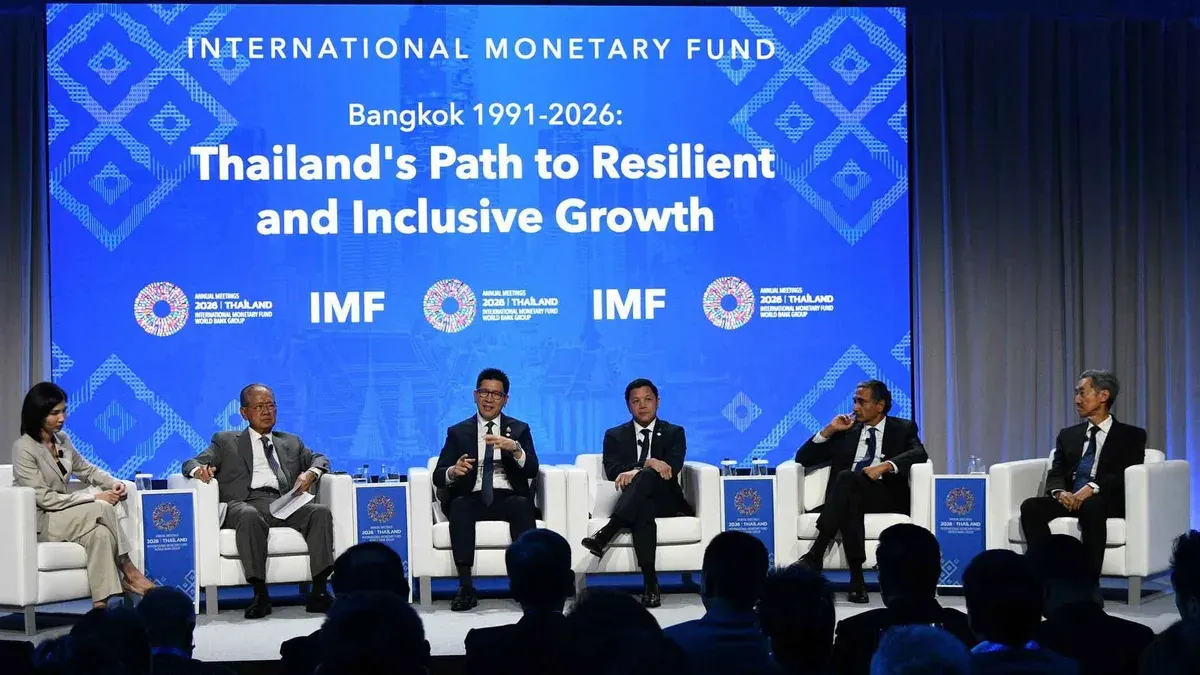
Ek Niti warned that the high 8‑10% annual growth Thailand enjoyed before the 1997 crisis was no guarantee of success, because the country had relied heavily on foreign loans through the Bangkok International Banking Facilities, building up financial risk that eventually erupted into a crisis affecting jobs and businesses. The key lesson, he said, is not to reject growth but to build it on a solid foundation. He sees a new opportunity as multinational firms look to diversify production and lower risk, opening the door for more foreign direct investment, but Thailand must use that capital to upgrade industry rather than simply increase its size—by welcoming foreign talent and knowledge to boost service‑sector productivity, upskilling Thai workers, and linking universities with industry through the Skill Bridge program so that new investment creates real opportunities for Thais. The government will let the private sector help define target industries, including smart agriculture, food processing, smart electronics, the shift of automotive production to Future Mobility (future travel and transport systems), as well as expanding medical and health services and the creative economy where Thailand has potential. Ek Niti compared the private sector to strikers scoring goals, with the government acting as midfielders that support by developing a workforce matched to business needs, connecting firms with regional universities, and reducing regulatory obstacles such as foreign work‑permit procedures to improve agility in attracting talent and investment, while also spreading opportunities to provinces with promise like Lampang, Nakhon Ratchasima and Songkhla so development and supply chains are not concentrated only in Bangkok. He stressed that bringing Thais and SMEs into the new industrial supply chains through upskilling and reskilling is essential, likening the incoming wave of investment to a high‑speed train arriving in Thailand—though capacity is limited, the government must clear the way for people and businesses to board.