Immigration Dismantles Two Fake Passport Networks
Immigration officials arrested members of two international fake passport networks operating through Thailand, with one involving Sri Lankan and Canadian citizens targeting UK travel and another using fraudulent Malaysian passports to reach
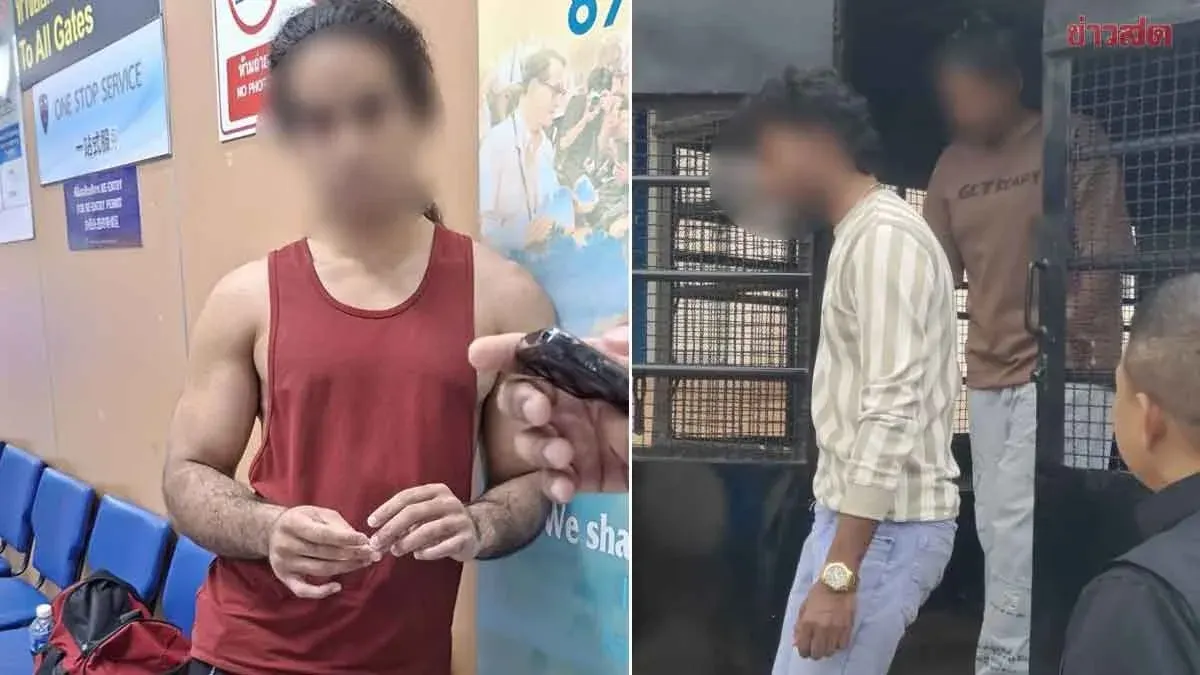
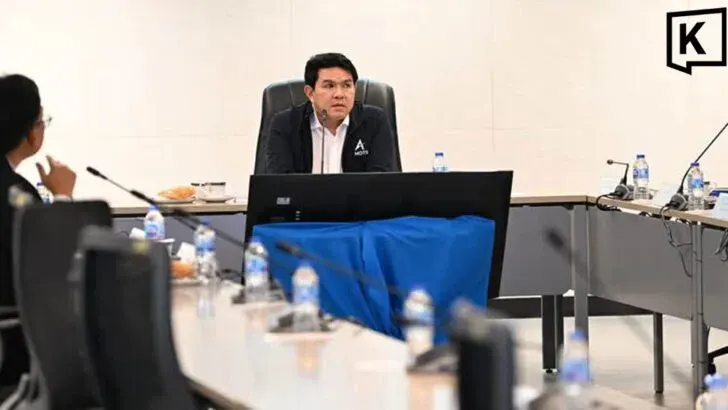
Immigration officials at Suvarnabhumi Airport have intensified efforts to dismantle fake passport networks and combat international criminal organizations using Thailand as a transit hub to send people to Europe. On July 3, 2569, at the Immigration Bureau office in Pak Kret, Nonthaburi, Deputy Immigration Commissioner Phanphanat Nuchnarot and Deputy Director of Immigration Region 2 Pongsorn Pongsratnantan announced major arrests and case developments under the directive of Immigration Commissioner Phanumad Bunyalak to strengthen interception of cross-border crime, particularly fake passport schemes that rely on Thailand as a stopover, transit point, or identity-change location for travel to third countries.
First Case: Sri Lankan-Canadian Passport Network Immigration officials at Suvarnabhumi arrested Sri Lankan national Mr. Kaaviniyan on May 31 after discovering he was using a fake Canadian passport under the name Mr. Akiem to prepare travel to the United Kingdom. Investigation revealed that Mr. Akiem, a Canadian citizen with legitimate identity, was complicit in the operation and had allowed his personal information to be used to create fake passports. He also checked in with airlines to obtain boarding passes for others to use. Subsequent investigation identified the network as an international criminal organization coordinated between Sri Lanka and Canada, with operations based in Thailand to facilitate travel to the UK. The network was divided into three groups: brokers and coordinators, customers and handlers, and identity holders who provided their personal information. Immigration arrested a Sri Lankan husband and wife couple acting as primary brokers in Sadao, Songkhla, while they attempted to flee to Malaysia. They face charges of possessing and using fake passports and involvement in international criminal organizations. Two other accomplices have fled abroad, and warrants have been issued.
Second Case: Sri Lankan Family Using Malaysian Passports Immigration intercepted a Sri Lankan family consisting of a mother, two sons, and one Malaysian woman preparing to continue to Kazakhstan through Don Mueang Airport. They were found using suspicious Malaysian passports. Investigation showed the family entered Thailand on Sri Lankan passports, traveled to Malaysia, then returned to Thailand using Malaysian passports with the Malaysian woman claiming to be the children's mother. An airline staff member noticed irregularities and reported them. When all four attempted to travel from Myanmar to Don Mueang for a connecting flight to Almaty, Kazakhstan, investigators discovered that the Sri Lankan woman and the older boy were illegally using others' Malaysian passports, while the younger boy may have been using a legitimately issued Malaysian passport. This aligns with intelligence from law enforcement in the UK, Canada, and Sri Lanka regarding a Malaysian-based criminal network that creates Malaysian birth certificates for Sri Lankan children to obtain legitimate passports for travel to Europe.