Japan Aids Thailand Fighting Cross-Border Heavy Metal Pollution
Japan is helping Thailand combat heavy metal pollution affecting three countries by establishing a monitoring network across Thailand, Myanmar, and Laos, with arsenic removal systems for community water supplies starting in northern provinc
Japan is supporting Thailand in addressing cross-border heavy metal contamination by developing a monitoring network spanning Thailand, Myanmar, and Laos to safeguard water quality. The initiative includes installing arsenic removal systems for community water supplies to protect public health.
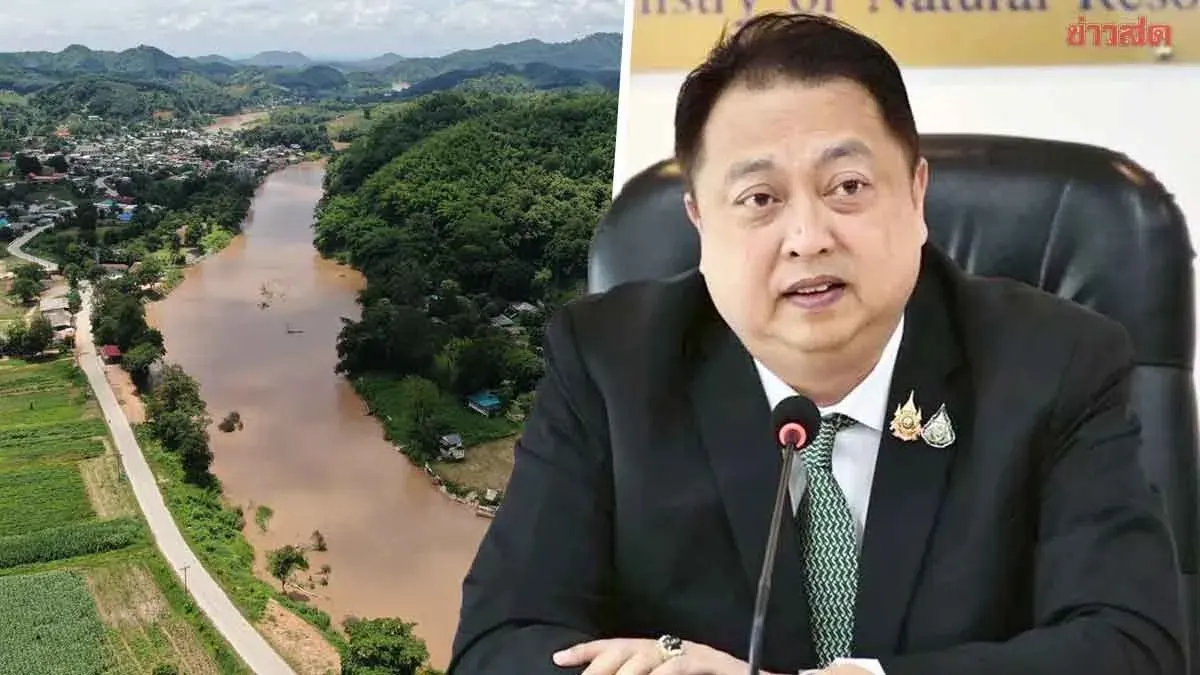
On July 11, 2025, Natural Resources and Environment Minister Suchat Chomklin directed the Pollution Control Department (PCD) to advance cooperation with the Japanese government and international organizations to expedite solutions for water pollution and transboundary heavy metal contamination. The collaborative effort seeks to coordinate Thailand, Myanmar, and the Lao People's Democratic Republic in surveillance, monitoring, and systematic water quality management to reduce immediate public health impacts while establishing foundations for long-term joint management.
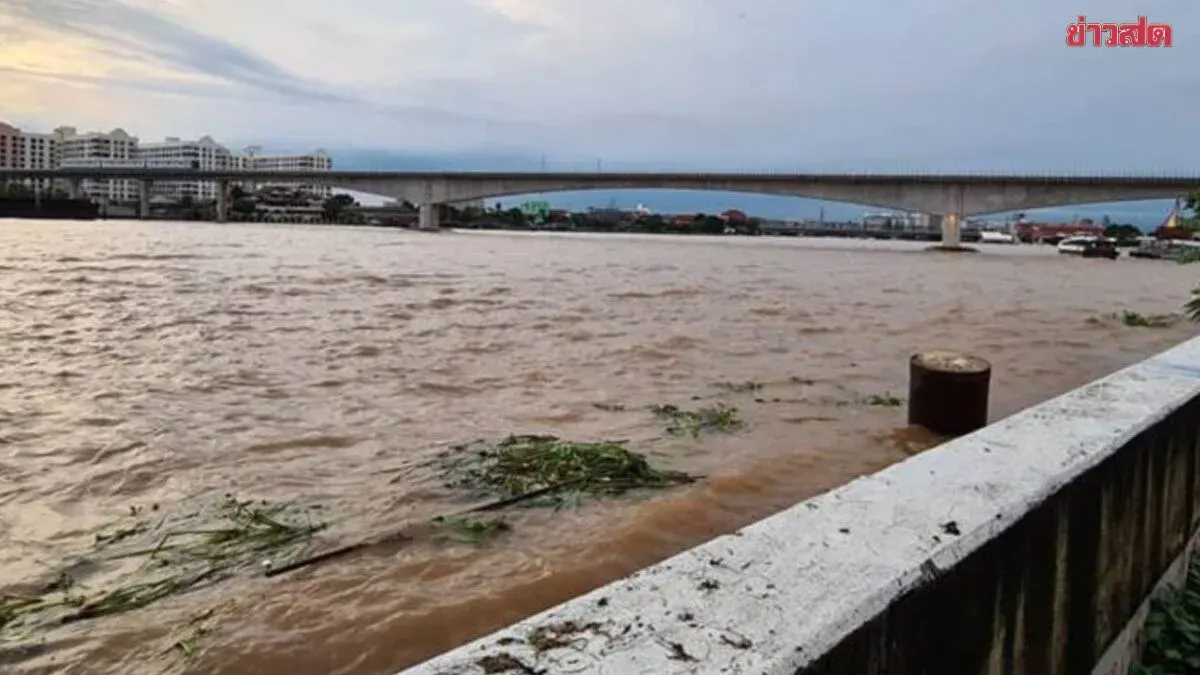
Dr. Surin Vorakitthummrung, PCD Director, revealed that on July 10, the UN Industrial Development Organization (UNIDO) in Thailand, the Japanese Embassy in Thailand, and the Japan International Cooperation Agency (JICA) met with the PCD to establish cooperation frameworks for addressing transboundary water pollution. The initiative prioritizes protecting water sources in Chiang Mai, Chiang Rai, and the Mekong River Basin to ensure safe public water access, while promoting a water quality monitoring network across Thailand, Myanmar, and Laos.
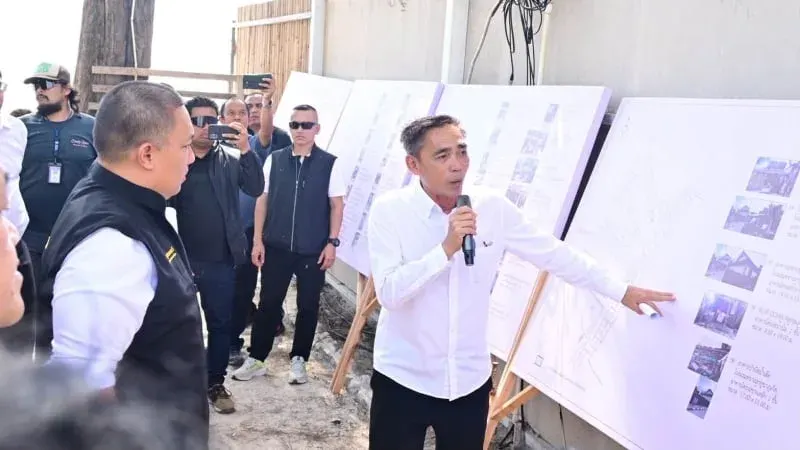
Initial collaborative efforts will see the PCD and UNIDO jointly develop an integrated arsenic management plan, provide water quality test kits with training for agencies and communities to strengthen community-based monitoring systems, and install arsenic filtration systems for village water supplies. Field missions to Chiang Mai and Chiang Rai are scheduled for July 16-17, 2025, to consult with provincial governors and relevant agencies for concrete implementation.
Dr. Surin added that the PCD is also collaborating with JICA on a Third Country Training Program (TCTP) proposal to enhance the capacity of officials from Myanmar, Thailand, and Laos in monitoring water quality and sediment in transboundary rivers, leading to a robust and sustainable expert network and joint surveillance system across the Mekong subregion. Additionally, the PCD and UNIDO are exploring project development approaches to secure support from the Global Environment Facility (GEF-9) to promote chemical-free Thai silk production following circular economy and clean production principles, elevating Thai silk manufacturing sustainability, reducing hazardous chemical use, and improving resource efficiency throughout the production chain in line with national sustainable development goals.