Lawmaker Calls for Transparency in Veterans' Lottery Quota Deal
Thanadet Phongsook, a People’s Party MP, urged the Veterans Welfare Organization to reveal details of its new lottery quota, alleging broken promises that let intermediaries keep profiting. He raised four questions ahead of the November contract signing, noting the organization has not moved to a digital system as previously pledged and may be diverting tickets to private groups. He warned that without real transparency, veterans will not see the financial benefits meant for them.
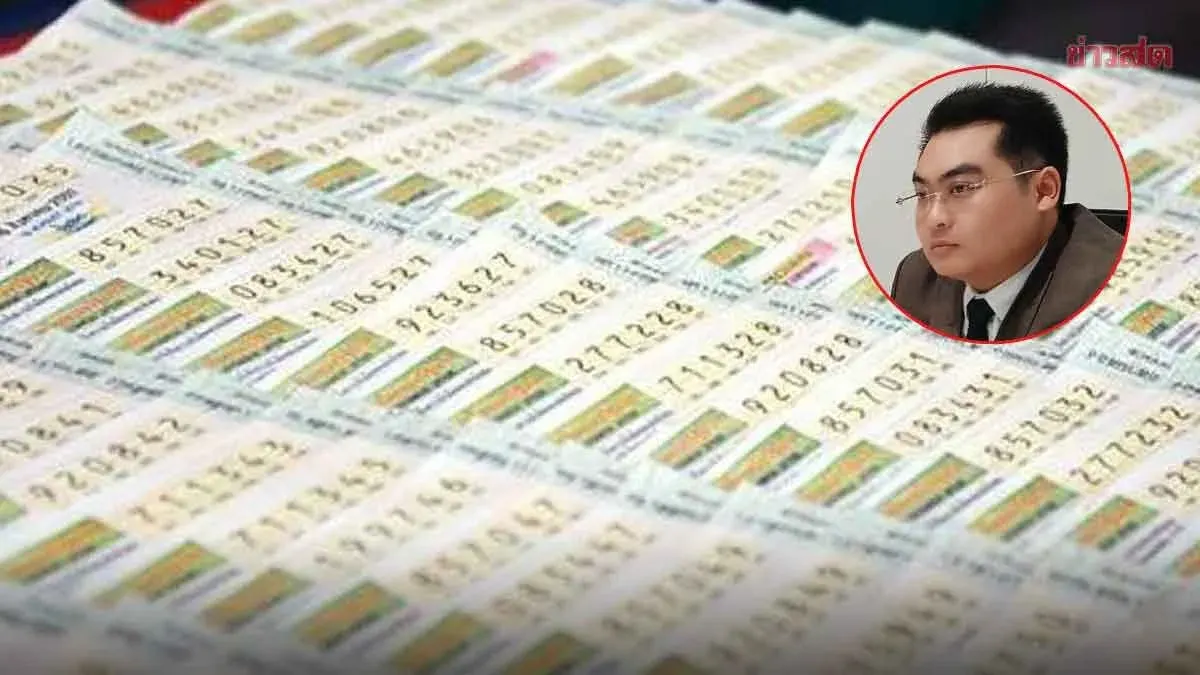
Thanadet Phongsook, MP for Bangkok's 13th constituency and member of the People's Party, expressed concern over the upcoming government lottery quota contract for the Veterans Welfare Organization, set to be signed in November. He emphasized that the issue is not just about lottery tickets but about the welfare and livelihoods of veterans who have risked their lives and bodies for the country.
After monitoring the issue continuously, he said there are signs that the Veterans Welfare Organization may be going back on its promise and allowing profit‑seeking groups or middlemen to continue benefiting from the price difference. He recalled that at the first meeting of the sub‑committee on strengthening human security and reforming the benefits system for veterans, disabled persons and vulnerable groups, the organization’s representative told the meeting that the lottery quota would be moved into a digital system, which would make distribution channels clearer and reduce the loophole for buying tickets and reselling them for profit.
However, at a later meeting, a representative of the Government Lottery Office said the Veterans Welfare Organization still had no resolution to adopt the digital system and that the new quota would remain as paper tickets as before. This raised questions about what happened to the earlier pledge.
He noted that the quota amounts to 10,988 books per draw, or 1,098,800 tickets per draw, totalling more than 26 million tickets a year. In the new contract, it is reported that the Veterans Welfare Organization intends to allocate more than 4,000 books to the Disabled Veterans Association, leaving over 6,000 books still with the organization.
Thanadet said that splitting the quota on paper may look like a distribution of rights, but the key question is whether the tickets from both portions will actually reach veterans so they can earn a living, or whether they will ultimately be gathered and sold through the same private groups as before. If the end result remains the same private intermediaries, the split would not improve veterans’ lives but could merely be a reshuffling of numbers to make it appear that the organization holds fewer quotas while the profits continue to flow to middlemen.
Before the November signing, he submitted four requests for answers to the director of the Veterans Welfare Organization:
1. Why has the organization still not adopted a resolution to move the quota into a digital system, despite having previously told the meeting it would do so? 2. Who will receive the more than 4,000 books that have been separated, what criteria will be used, and is there a genuine list of veterans who will benefit? 3. Which private parties will receive the two portions of tickets, at what price, and who will pocket the margin? 4. Out of the more than 26 million tickets per year, how much money actually reaches the veterans per ticket?
He concluded by saying that although the government repeatedly declares it will protect national interests and stand with soldiers, it remains silent when benefits that should go to veterans are being tied to the old system. He urged the public and media to watch whether the November contract will truly reform the system to be transparent and verifiable, or merely change the name on paper while allowing the same profit‑making groups to continue taking the margin. Veterans’ rights must reach the veterans themselves, not become a gold mine for a few individuals.