Luang Pho Dit Amulet Holds Rare Place in Thai Buddhist History
Luang Pho Dit Tisso, a celebrated World War II-era monk at Ampawan Temple in Nonthaburi, originated rare protective amulets featuring paired catfish designs and created first-edition medals in 1966 that are now extremely scarce.
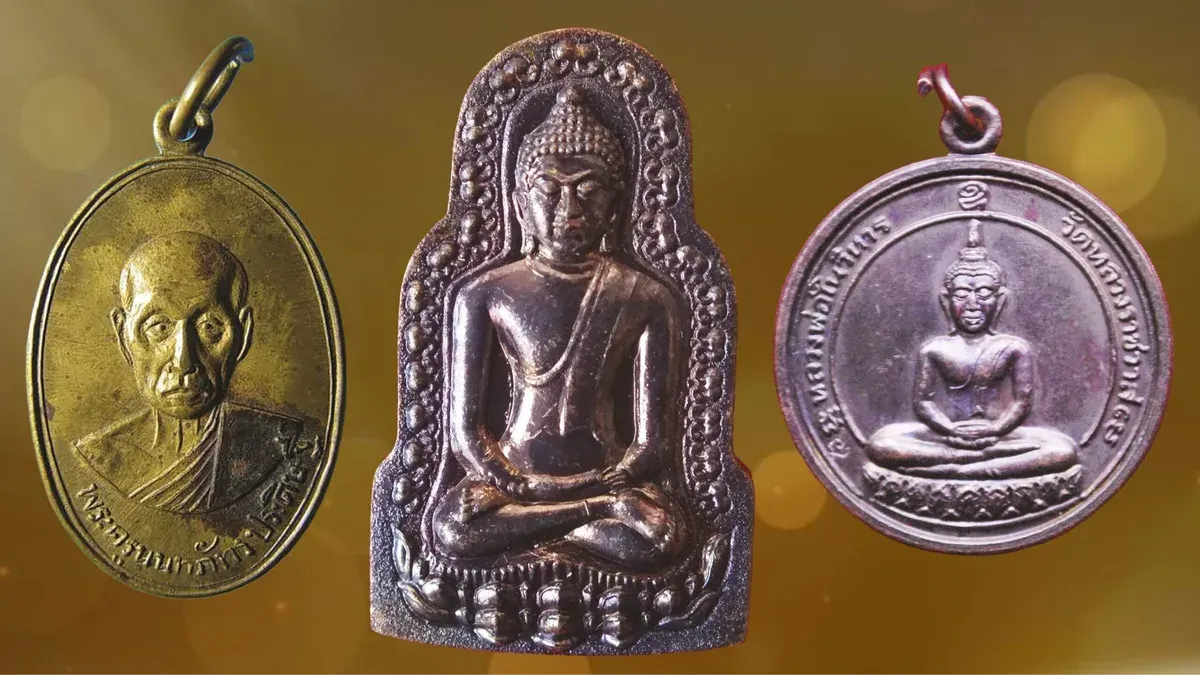
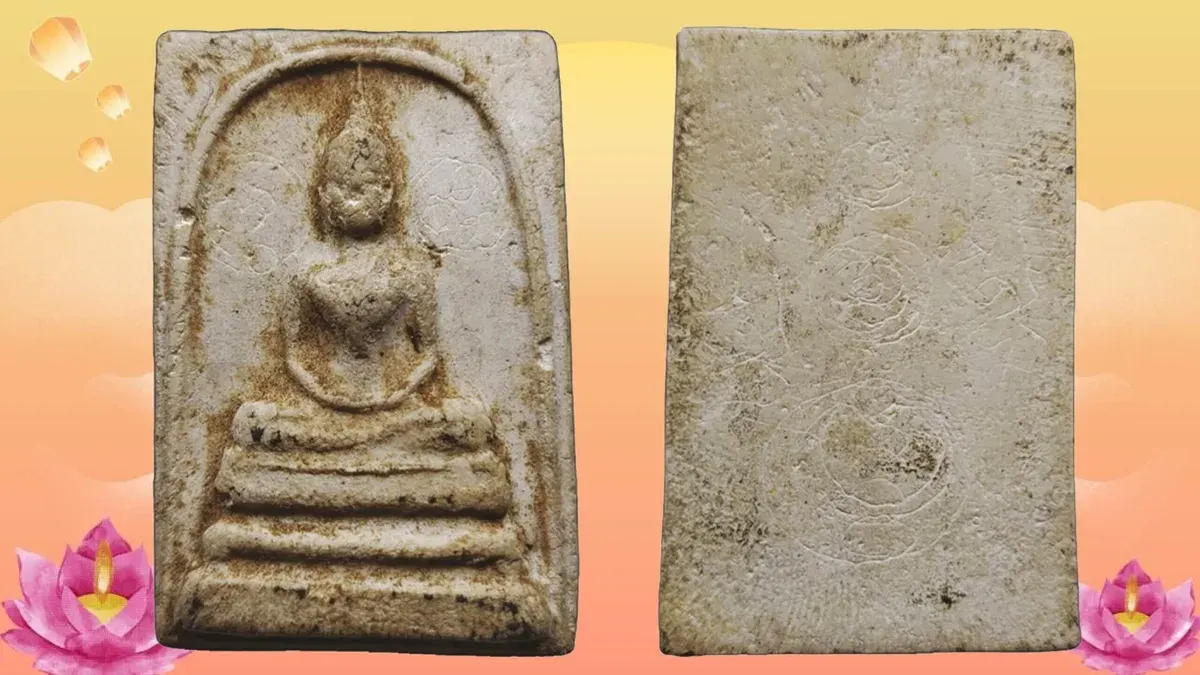
Luang Pho Dit Tisso of Ampawan Temple in Nonthaburi was a celebrated monk of the World War II period and expert in Buddhist scripture and esoteric amulet craftsmanship, having studied under Luang Pho To at Tha It Temple in Pak Kret. He is credited as the originator of the rare "silver fish and gold fish" or "paired catfish" protective amulets. His first-edition medal, created in 1966, features an oval shape with a loop, a half-length portrait on the obverse, and ritual script on the reverse reading "Phra Kru Nonthabat Pradist" and marking a celebration at Ampawan Temple—now extremely scarce. In 2003, Maha Sarakham Municipality built the Maha Sarakham City Museum at Nong Kha Park to promote local heritage and community-based handicraft sales, and established a principal Buddha image titled "Phra Phuttha Tak Sinlamahajai" measuring 29 inches. The municipality also minted commemorative medals of Phra Phuttha Kanthawijjai in both lead-alloy (1,000 pieces at 199 baht) and copper (5,000 pieces at 29 baht) to fund the museum; the consecration ceremony took place on August 21, 2003, attended by renowned Eastern Thai monks. Separately, in 1995, Luang Pu Ti Yano Sophon, former abbot of Luang Raja Was Temple in Uthai Thani, created "Luang Pho in Vihara" medals in silver and copper with a loop, featuring a Buddha image in meditation on a lotus throne, to fund vihara restoration. In 2002, Luang Pu Somphaar of Pa Vivek Phattana Ram Temple in Bueng Kan commissioned the first-edition portrait amulet in copper—10,000 pieces—to donors supporting the restoration of the sermon hall, driving increased local demand for these pieces.