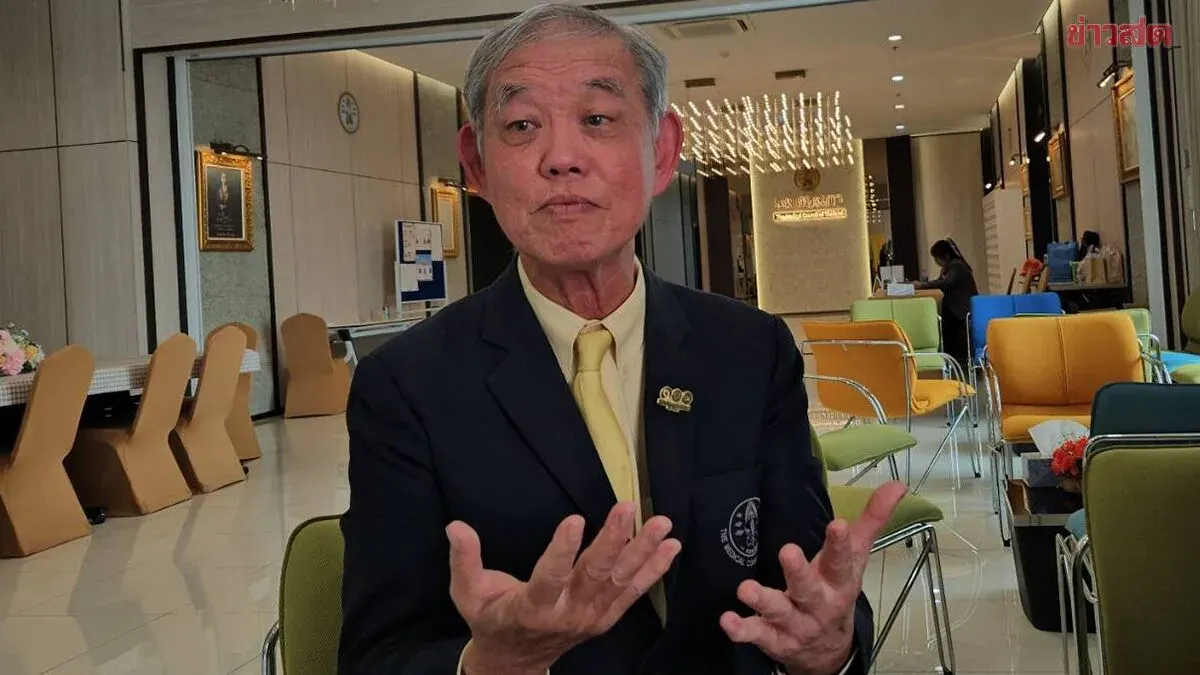
Deputy PM Supachai unveiled a four-track economic recovery plan focusing on creative industries, agriculture, SMEs, and international trade, with working groups tasked to identify urgent issues within six to twelve months.
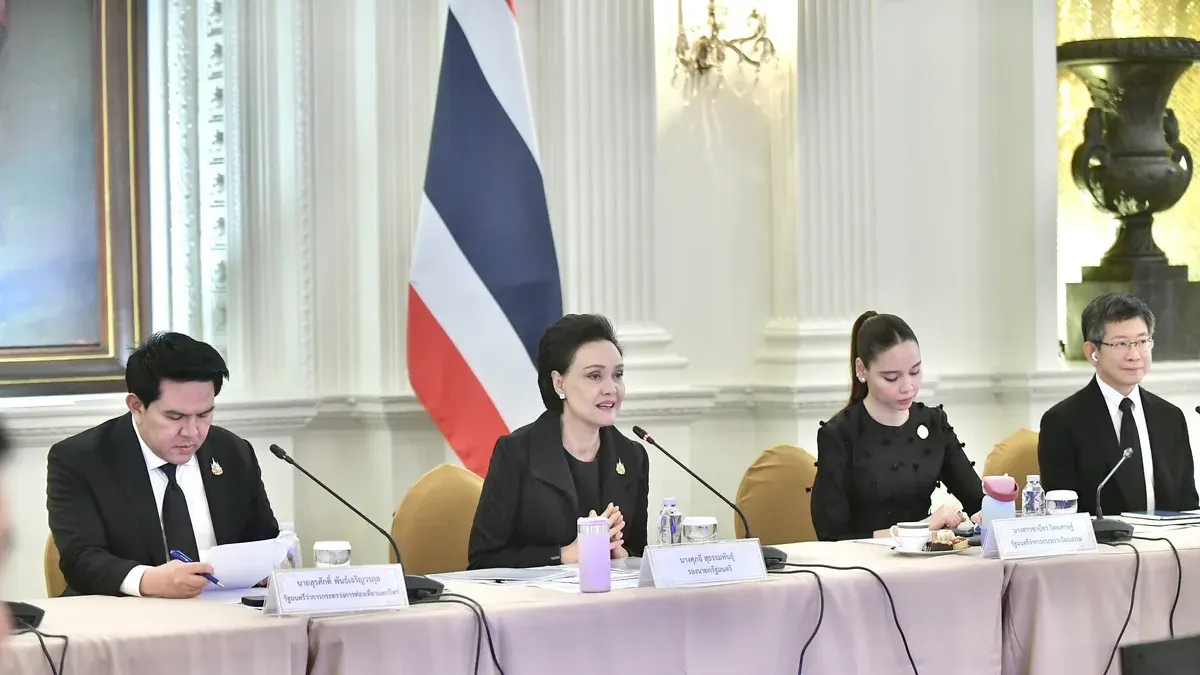
Deputy Prime Minister and Commerce Minister Supachai Sutthirphanphong held a press conference following the first meeting of the Sub-Committee on Trade Development, Tourism, and Community Economy in 2569, outlining a new economic framework aligned with government policy priorities in trade and services. The sub-committee received five strategic mandates: quality tourism and wellness, creative economy, agriculture, retail and wholesale trade, and international commerce, with work not limited to these areas given the need to address both immediate and long-term structural challenges.
Four working groups were formally established to drive measurable results: the Creative Economy and Visitor Economy group, the Agricultural Products and Food Security group, the Community Economy and SME group, and the International Trade group. The Visitor Economy concept will broaden beyond traditional tourism to encompass all travelers—tourists, students, business visitors, and investors—to maximize economic value creation linked to culture, experience, and creative industries.
Veerasak Kovsuratna, chairman of the Creative Economy and Visitor Economy working group, stated the team will conduct weekly field consultations to identify 4-5 urgent issues to resolve within the first 6-12 months, addressing both opportunity creation and obstacle removal. Key barriers include foreign businesses using proxies to undercut Thai companies and domestic regulations that hamper Thai entrepreneurs, requiring the removal of unnecessary rules to accelerate competitiveness in global markets.
Kobsak Pootrakool noted agriculture must transition from traditional production to modern, high-value farming across the entire supply chain—from production through processing to marketing—especially during surplus periods. SMEs require ecosystem-wide reform affecting licensing, business registration, expansion, and export access. Minister of Culture Sabida Thaiset confirmed the Culture Ministry will support creative economy and visitor economy initiatives using cultural heritage, traditions, arts, and local identity to create new experiences and tangible community income.
On international trade, the committee agreed that rapid global changes demand leveraging free trade agreements to open new markets while protecting existing ones and balancing trade through increased SME participation in export structures. Deputy Prime Minister Supachai stated the government will coordinate with other economic committees, especially Ekniti Nitithamaratprapha's investment promotion unit, to reduce import dependence and strengthen local supply chains.