Middle East Tensions Could Push Oil to $100 per Barrel
Oil prices could surge to $100 per barrel if Middle East tensions escalate and disrupt supply lines, though economists expect prices to stay in the $80–90 range for now, with Thailand's fuel costs likely to follow global market movements.
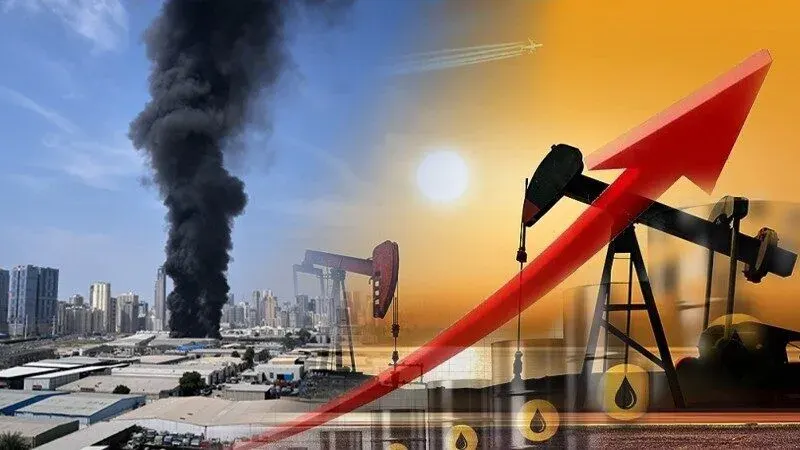
Energy economist Praiypol Khomtruap, former dean of economics at Thammasat University, forecasts crude oil will trade in the $80–90 range per barrel for the rest of the year despite some easing in Middle East tensions. If U.S.–Iran conflict intensifies or damages oil transport corridors, refineries, and production facilities, prices could climb to $100 per barrel. "Current conditions are concerning because global oil has already risen above $90 per barrel, with the risk of reaching $100 if Middle East tensions worsen," he said. Thailand's retail fuel prices will track global markets, and the government could consider cutting refining margins to cushion consumer costs. Reducing excise taxes is another option but remains a last resort since it directly impacts state revenue. The Energy Ministry reports that refinery shutdowns mean higher oil prices will persist even after U.S.–Iran fighting ends, with diesel forecast near $100 and gasoline in the $90–100 range per barrel. Prices are unlikely to spike as severely as the first half of the year or push Thai retail fuel back to 50 baht per liter. The government's fuel stabilization fund may also be deployed, depending on its liquidity at the time.