Monasteries Urged to Embrace Digital Age While Preserving Buddhist Values
Buddhist clergy and officials discussed adopting digital technology in monasteries while maintaining spiritual values at a seminar in Nakhon Ratchasima Province on August 22. The committee also pledged to resolve a stalled land permit issue
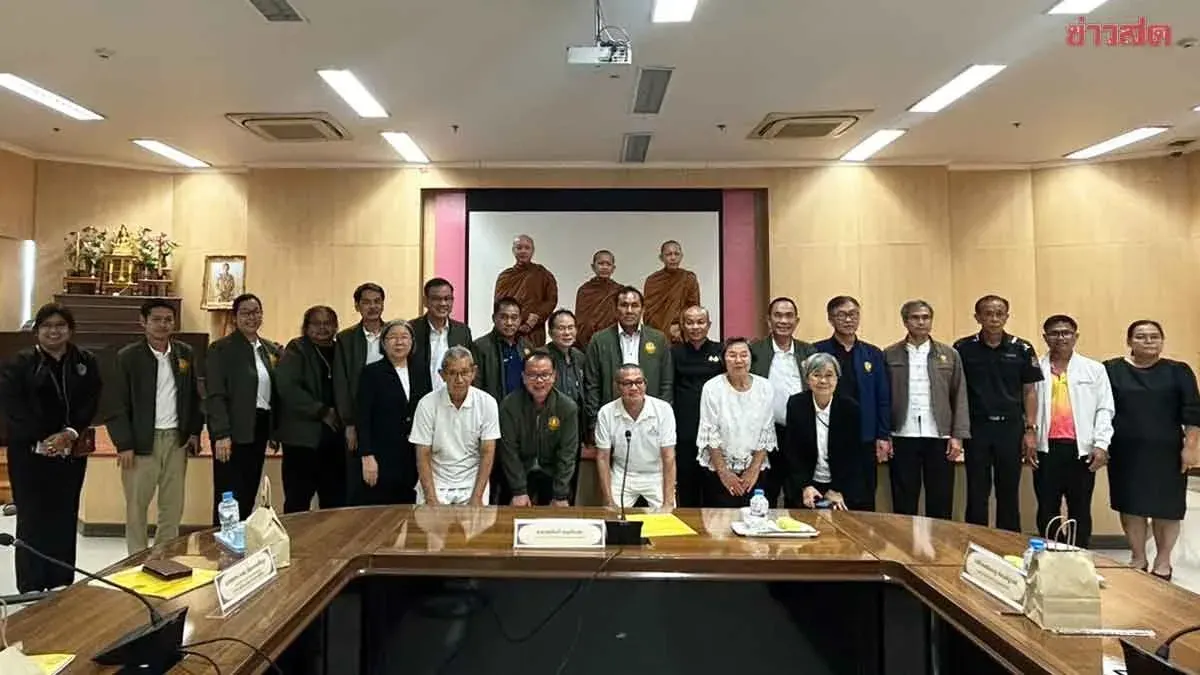
On August 22, the Parliamentary Committee on Religion, Arts, and Culture, chaired by Thiwalrat Angkinnan, a representative from Phetchaburi, convened a seminar titled "Building Strength for Digital-Era Monastery Management" at Udon Thani Demonstration Monastery in Nakhon Ratchasima Province. The seminar brought together Buddhist clergy and district officials to discuss how monasteries can adopt digital technology while preserving Buddhist teachings and values.
Monasteries today serve as more than just religious centers; they function as hubs for moral and ethical learning, cultural preservation, and community cohesion. The committee stressed that while digital technology is transforming how people communicate and learn, monasteries must integrate it thoughtfully—using it as a tool to enhance operations, outreach, and knowledge management without abandoning their spiritual foundation or compromising transparency and accountability.
The seminar highlighted the "home-monastery-school" framework, a traditional Thai concept where homes represent community power, monasteries provide spiritual and moral guidance, and schools foster knowledge and human development. By coordinating these three pillars with relevant government agencies, stronger communities can be built and Buddhist teachings promoted effectively.
During discussion, clergy raised concerns about a pending permit for Udon Thani Demonstration Monastery to use forest land for construction—a process that has stalled for months. The committee acknowledged the complexity, involving multiple agencies such as the Forestry Department, National Parks Office, and the National Buddhism Office, and committed to convening all stakeholders to find a workable solution within legal frameworks.