Pheu Thai Party leader Nattapong Reung-panya visited flood-affected areas in Nan Province's Pua District to assess recovery efforts and consult with residents. He called on the government to provide targeted funding and develop comprehensive long-term flood prevention plans, including upstream water retention systems and improved early warning systems. Local communities emphasized their desire for solutions beyond immediate relief to address the region's changing environmental conditions.
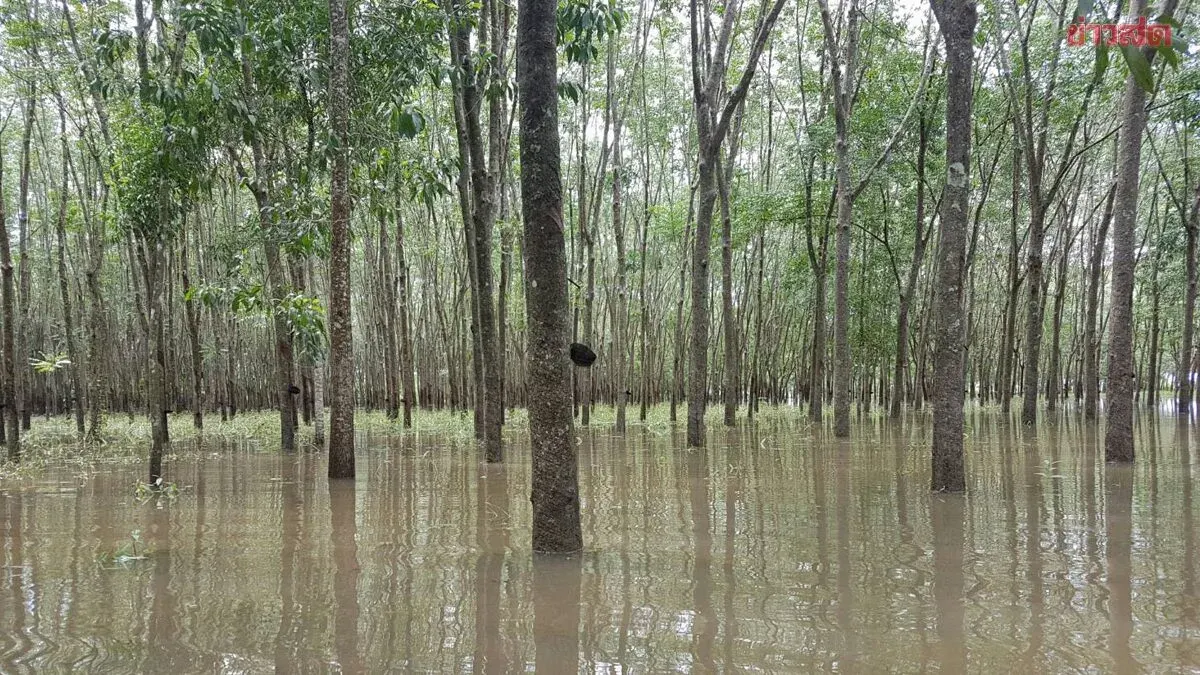
On August 22, 2025, in Nan Province, Nattapong Reung-panya, a list-based Member of Parliament and Pheu Thai Party leader, accompanied by fellow MPs Chao Wichit Innoi and Charoem Abhiphatrakosol, and village leaders, visited the affected areas of Ban Hia and Ban Kret in Silalong Subdistrict, Pua District, to assess flood recovery operations.
Nattapong stated that the immediate priority is assisting affected residents and thanked all government agencies and outside units providing support. He noted that Pheu Thai has deployed local representatives to coordinate relief efforts since the initial flooding.
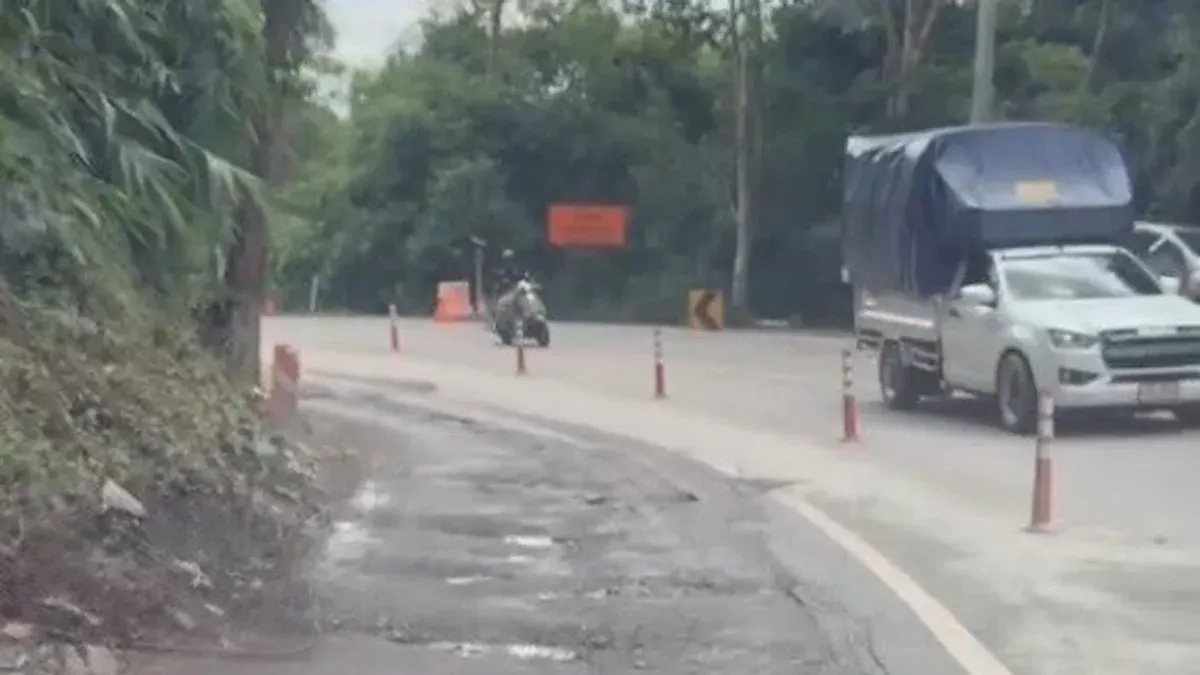
Discussing with the Mirror Foundation relief center being established in Pua, Nattapong identified urgent needs including rubber boots, water squeegees, and cleaning equipment. He also emphasized the critical need for heavy machinery to clear roads and remove mud and silt from homes, which cannot proceed effectively without clearing access routes first.
Nattapong observed that this year's flooding differs from previous years, characterized as a localized rain bomb concentrated in high-altitude areas, with the main water mass originating from the Khun River. Residents expressed wanting both immediate relief and long-term solutions to prevent future floods.
Referencing previous visits to Thung Thong District, Nattapong noted that water management agencies have systematic plans in place. He suggested that constructing upstream water retention reservoirs across various river systems could help slow and intercept floodwaters, and urged the government to consider strategic budget allocation for these projects.
Nattapong confirmed that the Water Resources Department is coordinating management efforts with comprehensive plans already developed, and that the remaining need is for government budget allocation aligned with these objectives.
When asked about recent visits by the Deputy Prime Minister and ministers staying overnight in the area, Nattapong said it is positive for leaders to see problems firsthand, as this improves their understanding of local conditions. However, he noted that residents, knowing their areas must adapt to environmental and weather patterns, primarily want to hear about long-term solutions.
During a subsequent damage assessment near the Khun River, Nattapong and his team reviewed new flood prevention plans. He stated that the entire system needs reconsideration—while not opposing dams in principle, their purpose must be clearly defined. Dams are designed to raise water levels for agricultural use, but when floodwaters hit dams, water gets forced up and crashes onto riverbanks, causing severe erosion.
When asked why authorities did not prepare despite foreknowledge of heavy rain, Nattapong reported that local residents said their area has completely changed and conditions are now very different from the past.