Thailand Studies Moscow Metro to Upgrade Railway System
Thailand's transport ministry delegation studied Moscow Metro's digital ticketing, payment systems, and operational technologies to enhance the country's railway infrastructure and passenger services.
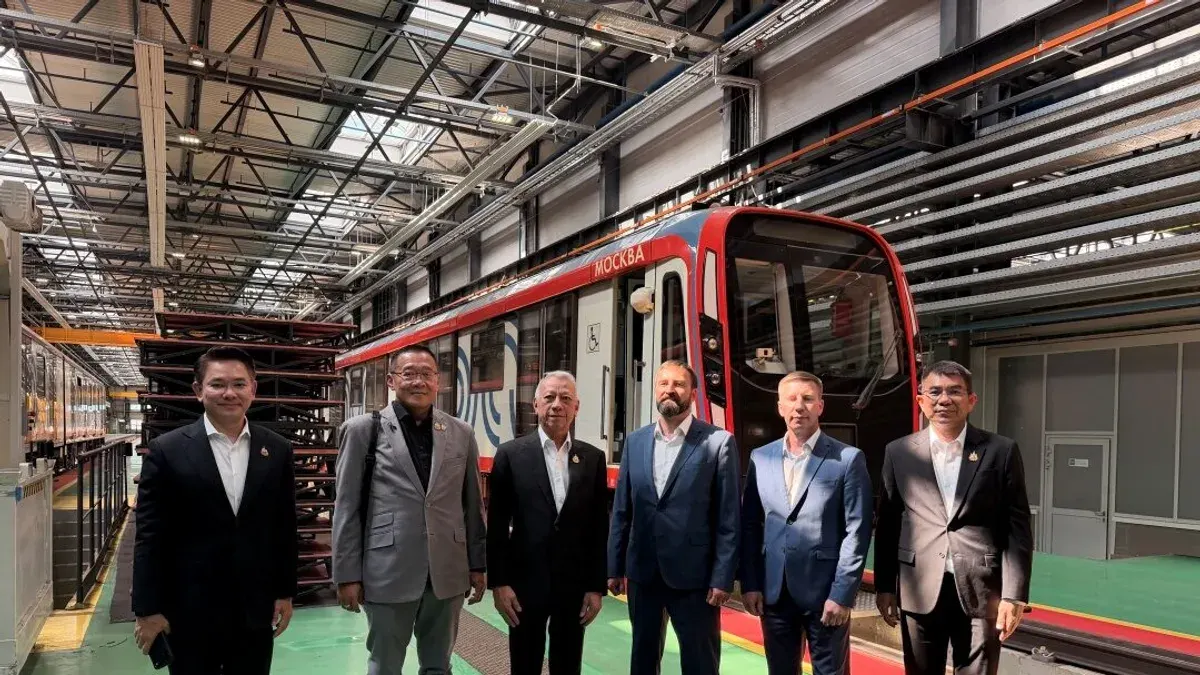
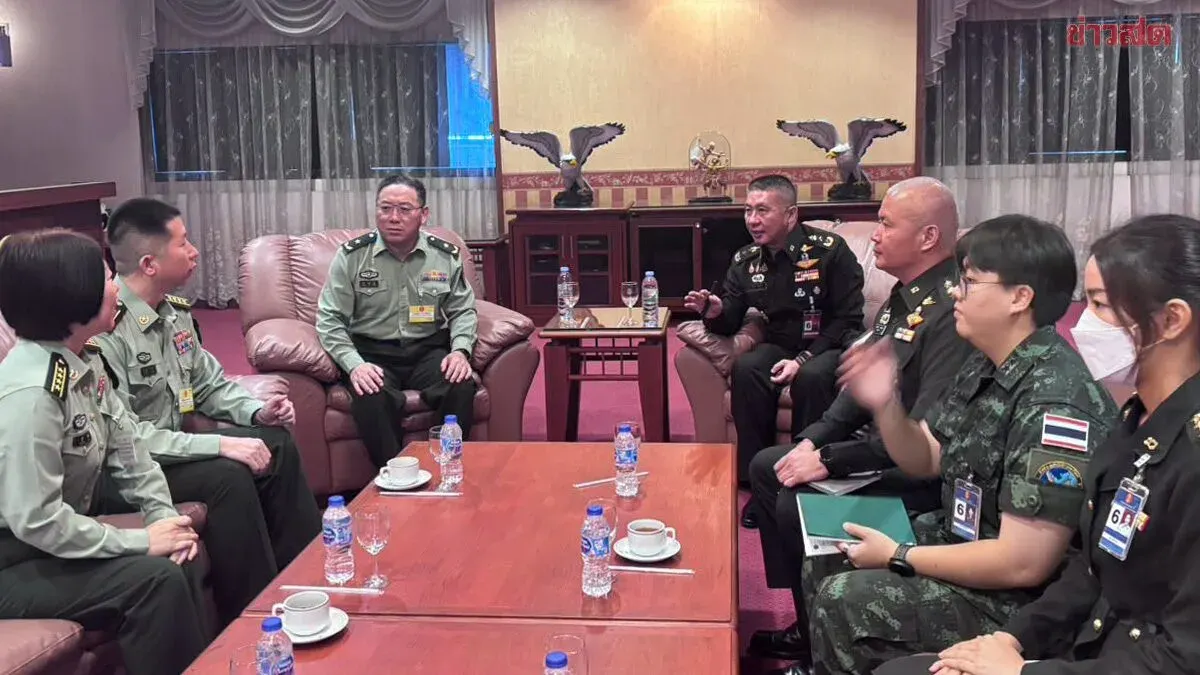
Deputy Prime Minister Pipat Ratchakitprakarn is advancing transportation cooperation between Thailand and Russia following a signed memorandum of understanding between both countries' transport ministries. On August 5, 2025, Ratchakitprakarn led a delegation from Thailand's Ministry of Transport to Moscow to meet with Moscow Metro executives and specialists, discussing railway management systems including digital station services, ticketing and travel data systems, modern train models, and maintenance protocols across the entire vehicle lifecycle. The delegation toured the Maryina Roshcha and Aminevskoye Electric Depot stations for technical discussions on operational systems.
Ratchakitprakarn stated that the discussions aimed to exchange best practices for managing large-scale mass transit systems efficiently while serving high passenger volumes. The focus was on using technology to solve problems and improve public services alongside cost management, safety, and long-term system reliability.
At Maryina Roshcha station on the Big Circle Line, the Thai team discussed digital station development and passenger-centric service design, including travel information systems, signage, interior layout, and payment solutions. Moscow Metro demonstrated multi-channel payment options including bank cards, QR codes, digital devices, and biometric systems such as facial recognition, with approximately 93% of passengers using non-cash payment methods. This streamlines service delivery while maintaining cash options and staff assistance for those who need it.
The Thai delegation also examined technologies that reduce routine workload while maintaining service quality, such as advanced turnstiles supporting multiple payment and identification methods, live remote communication stations connecting passengers with staff, and a prototype digital assistant named "Sasha" providing travel information. The team was particularly interested in Moscow Metro's approach to collecting passenger feedback through QR codes to improve and expand new services—ensuring technology truly serves passenger needs rather than simply being implemented for its own sake.