MP Demands Clarity on Thai-China E-Waste Recycling Deal
Opposition MP Bunrawi Yamjinda is demanding the government clarify a Thai-China agreement to accept a $375,900 grant for e-waste recycling, warning it could be a loophole for importing foreign hazardous waste. He cited Thailand's history of becoming a global dumping ground after China's 2018 waste ban, with illegal recycling operations and toxic contamination documented in multiple provinces.
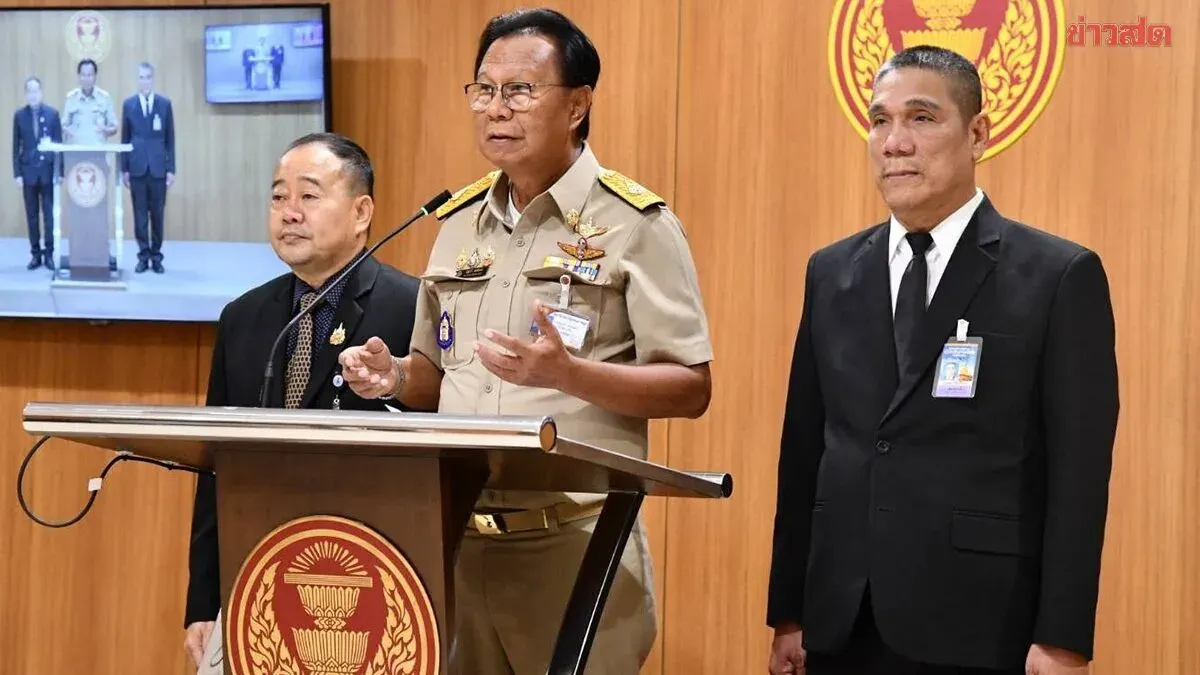
List MP Bunrawi Yamjinda, leader of the Ruam Jai Thai Party, held a press conference expressing concern over the government's environmental and industrial policy direction. He noted that the cabinet had approved a draft agreement under the Mekong-Lancang Cooperation Special Fund between the Ministry of Industry and the Chinese Embassy, authorizing the ministry's permanent secretary or a designee to sign for a Chinese grant of $375,900, approximately 13.5 million baht, to develop e-waste and used battery recycling systems.
"I want the government to clearly answer the public: are the materials to be recycled domestically generated waste, or is this actually a loophole to allow imports of toxic waste, old batteries, degraded solar panels, and electronic scrap from abroad for processing in Thailand?" Bunrawi said. Although the cabinet resolution does not explicitly mention accepting waste from China, he warned the critical question is whether a mere 13.5 million baht is worth the incalculable health and environmental risks.
Bunrawi traced the crisis back to January 20, 2016, when the junta leader invoked Section 44 to issue Order No. 4/2016, liberalizing waste recycling factories. From just 40 waste-generating factories and one disposal facility, Thailand saw over 3,000 sorting and recycling plants mushroom nationwide, concentrated in five economic provinces and the Eastern Economic Corridor.
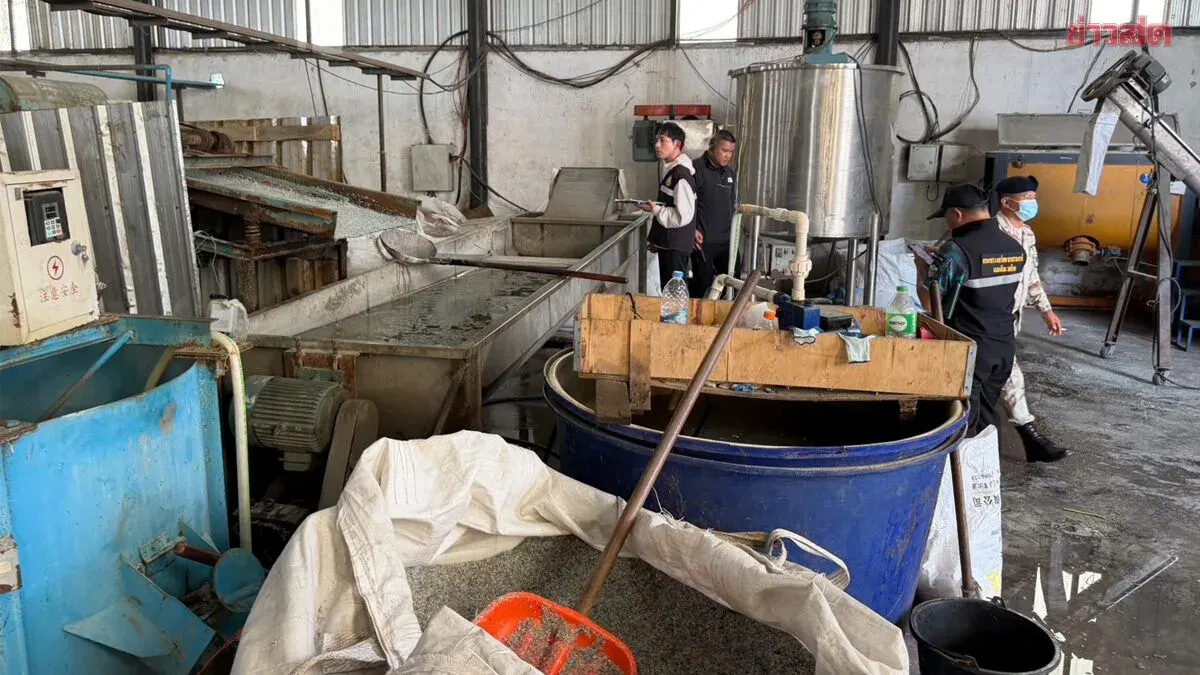
In 2018, China banned global e-waste imports to protect its citizens from pollution, diverting "half the world's waste" to Thailand. Chinese capital quietly relocated machinery and operated through Thai nominees holding shares and obtaining factory licenses irregularly. The Department of Special Investigation (DSI) found 30 recycling licenses in Phanom Sarakham district, Chachoengsao, with some Chinese investors holding up to 15 licenses, and discovered mountains of illegally buried industrial and hazardous waste.
In Klong Kiew subdistrict, Ban Bueng district, Chonburi, over 100 rai became a "toxic waste village," forcing the provincial industry office to shut down 17 operations. As recently as October 2025, DSI seized more than 300 tonnes of e-waste there. In Prachinburi, wastewater discharge exceeded salinity standards, preventing aquaculture, while transformers, circuit boards, and wire scraps totaling over 8,000 tonnes were found piled up.
"Even though China strictly banned waste imports in 2020, Thailand became the recipient, accepting over 1.1 million tonnes from China and many other countries. This clearly reflects why the world calls Thailand the 'world's trash can.' Gray-capital groups profit from importing toxic waste on the tears and health of Thais. Will the government remain silent or trade dignity for money?" Bunrawi concluded.