Nan Floods Spark Debate Over Land-Use Policy
Severe floods in Nan Province killed at least four people, reigniting debate over whether poor land-use policies and deforestation exacerbated the disaster beyond heavy rainfall alone. Experts say the government must shift from reactive rel
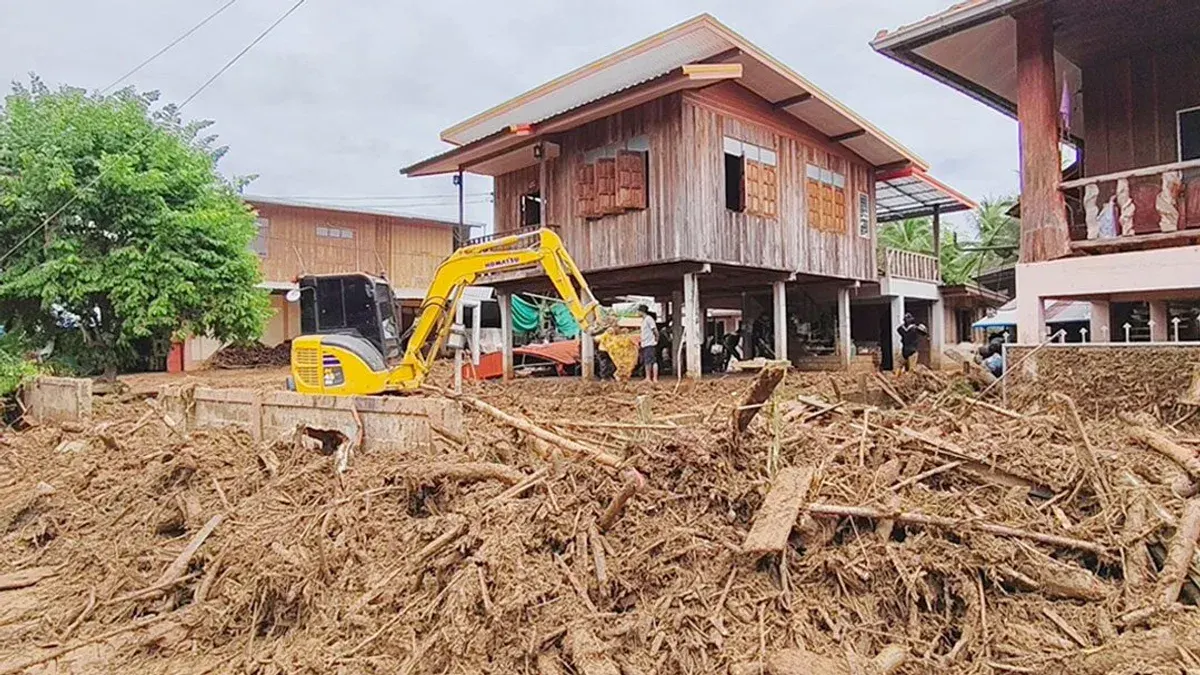
A severe flood struck Nan Province, with flash water sweeping through homes across multiple districts, causing at least four deaths and extensive damage. Debate has emerged over whether the devastation resulted purely from heavy rainfall or from landscape modifications that worsened conditions, including the clearing of hillsides that removed water-retention points, monoculture farming, forest clearing for agriculture, and land changes to accommodate tourism. While all these factors are interconnected, the question of accountability remains unanswered. Blaming local residents is unjust, as many of these problems stem from state policies on economic planning, forest concessions, private-sector economic expansion, and GDP-focused corporate performance that ignored environmental consequences. The government must review and systematically address these issues. Unfortunately, no government has seriously prioritized environmental protection—not just concerning Nan's forests and barren hillsides, but also the Mekong dams upstream from Thailand affecting local ecosystems, the Mun River's poisoning from mining in neighboring countries, and PM2.5 pollution harming public health in northern regions, yet no clear plan or serious action has emerged. The government must clarify its concrete plans and genuine strategies. While ministers, including Deputy Prime Minister Yossanan Wongsawadi and Public Works Minister Jetsada Thaisettha, visited flood areas—spraying water to clean roads and carrying survivors—their efforts are commendable and show dedication. However, public expectations demand more, including accurate, clear, and timely early-warning systems rather than evacuation alerts after water breaches. Deputy Prime Minister Yossanan, overseeing public works with emphasis on science, should push for this implementation. The Disaster Prevention and Mitigation Department, with its budget and manpower, should plan and manage prevention from the outset rather than continue current inadequate measures. The government must demonstrate courage and capability in environmental and disaster management, or the public will bear the consequences.