Editorial: Political Waters Rising as Floods Sweep Nation
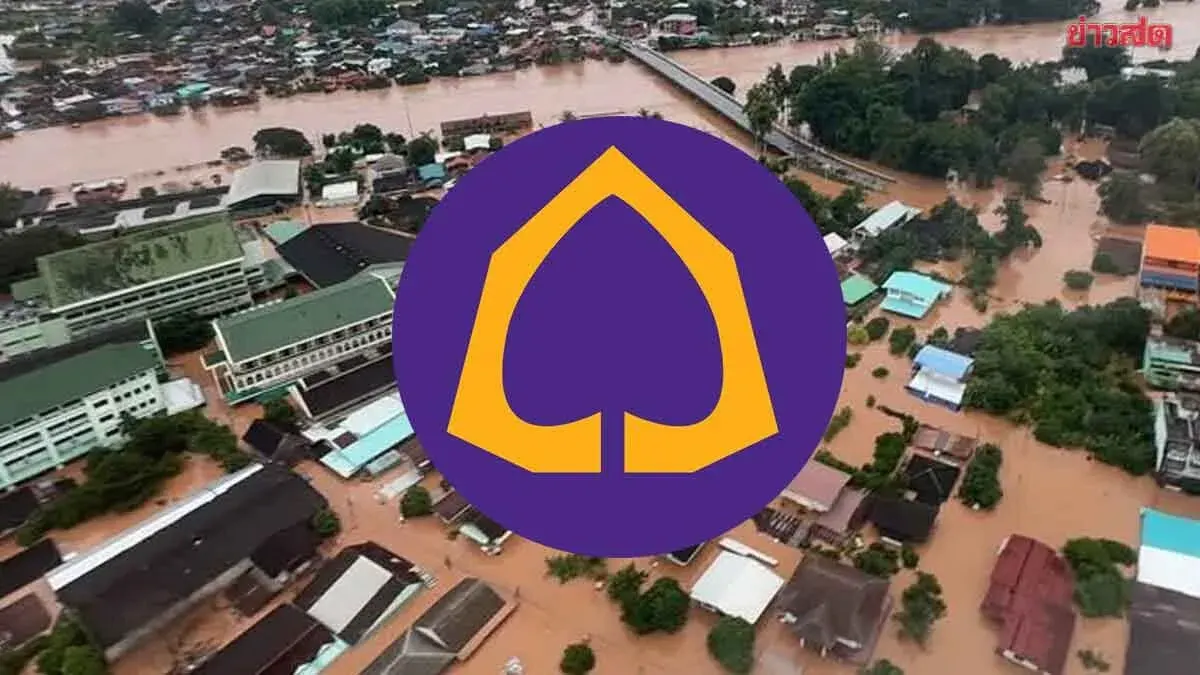
Flooding sweeps multiple Thai regions as opposition parties criticize the government's water management failures, with residents questioning whether advance planning and evacuation warnings can prevent repeated disasters in vulnerable provi
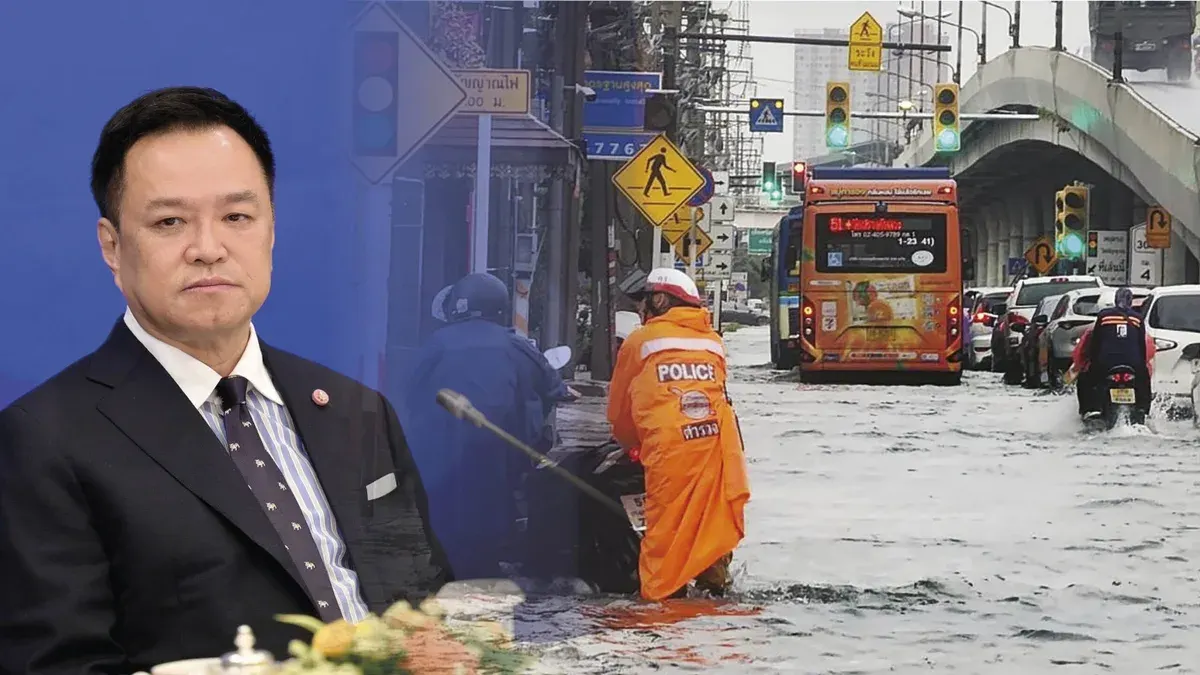
As flooding inundates multiple regions, a tide of political pressure is rising alongside it. Each time residents evacuate their homes, the government faces mounting scrutiny—especially from opposition parties weaponizing water management failures to challenge the administration's competence. The government says it has prepared nine monsoon-response measures since June and recently ordered 70 provinces and Bangkok to monitor sudden floods, flash floods, and overflowing banks. Yet the crucial question remains: how well do conference-room strategies align with on-the-ground action?
For ordinary people, flooding is not merely rainfall and water-level statistics. It is submerged homes, displaced families, lost livestock, vanished income, and lives turned upside down. This is a genuine test of government competence—not a verdict on cash handouts or populist schemes. Relief money may ease hardship but cannot explain why the same areas flood repeatedly.
Public doubts center on whether the government knows when water will arrive, which zones are at risk, and whether contingency plans exist before disaster strikes. Ayutthaya exemplifies this failure: the previous administration predicted dry conditions for 2025 and urged drought preparedness, only for water levels to surge and swamp the province. Residents even handed out toy trumpets to parliament in protest.
Water management requires comprehensive planning across all phases. The government is pushing the One Map Water data system and long-term water management projects. But telling flood-stricken people it will take 7 to 8 years to see results rings hollow.
It is regrettable that after the massive 2011 floods, a previous government proposed a 350 billion baht water management plan to systematically solve these problems. That initiative stalled amid political upheaval following the 2014 coup. Had it continued, the country might handle both floods and droughts far better today.
The lesson is clear: floods can be forecast far better than earthquakes or fires. Preparation must begin before water arrives, not after homes are submerged. The government cannot blame heavy rain alone. Citizens ask only for timely warnings, swift aid, proper drainage, and emergency plans that match real conditions.