Government Flood Response Criticized as Sweet Words Fail to Help
Bangkok and nearby provinces are grappling with persistent floodwaters that disrupt daily life, raise health concerns, and threaten further areas as upstream water is released. Government leaders, led by Prime Minister Anutin, have downplayed the crisis by comparing it to the 2011 floods while offering only brief visits, relief packets, and cash handouts without a coherent action plan. Residents and critics argue that the response relies on sweet words rather than effective preparation and demand a systematic approach to manage the disaster.
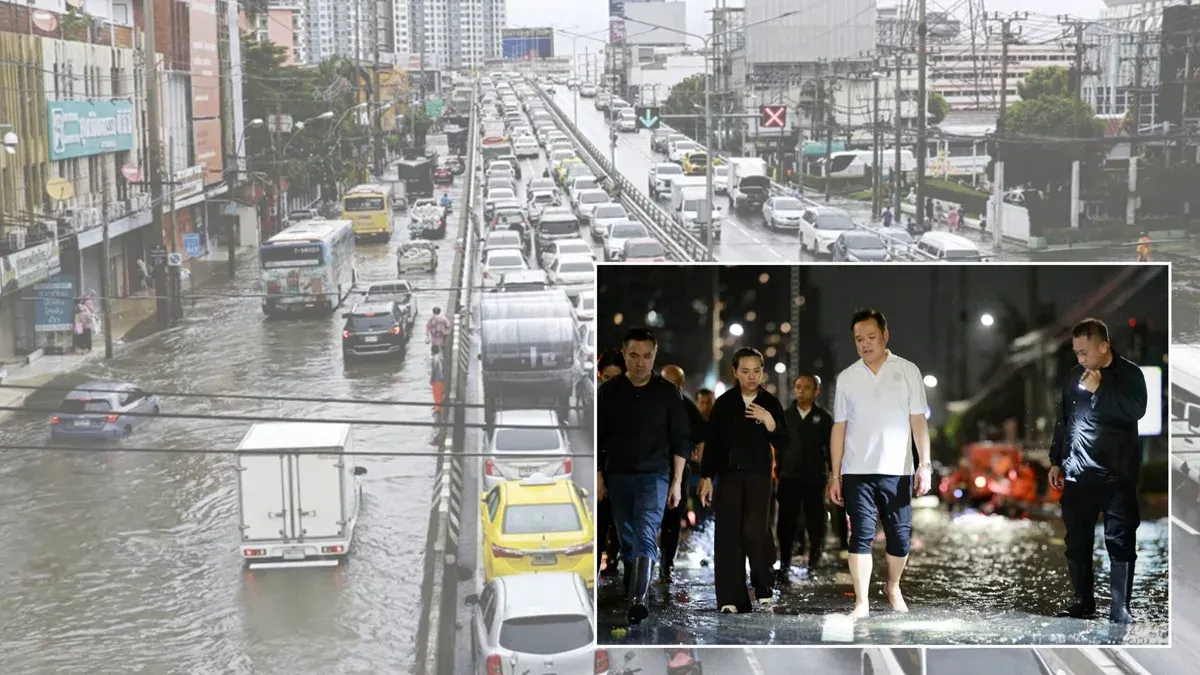
Although floodwaters have begun to recede in some districts, many neighborhoods remain inundated for extended periods, affecting residents’ ability to cook, sleep, and maintain hygiene, while raising fears of water‑borne disease and mosquito outbreaks. Authorities warn that additional areas are at risk as water is released from upstream reservoirs, not from heavy rain alone. Government officials, including Prime Minister Anutin, insist the current flooding is nothing like the 2011 disaster, yet they have offered only televised visits, relief packets, and personal cash gifts without a clear, coordinated plan. Critics say the ad‑hoc response leaves communities to fend for themselves and question whether the 9,000‑baht household aid is sufficient to cover losses. They call for a systematic crisis‑management strategy instead of scattered charitable acts, warning that without such measures future flood‑prone zones could face even worse conditions.