Bangkok Flooding Exposes Government Preparedness Failures
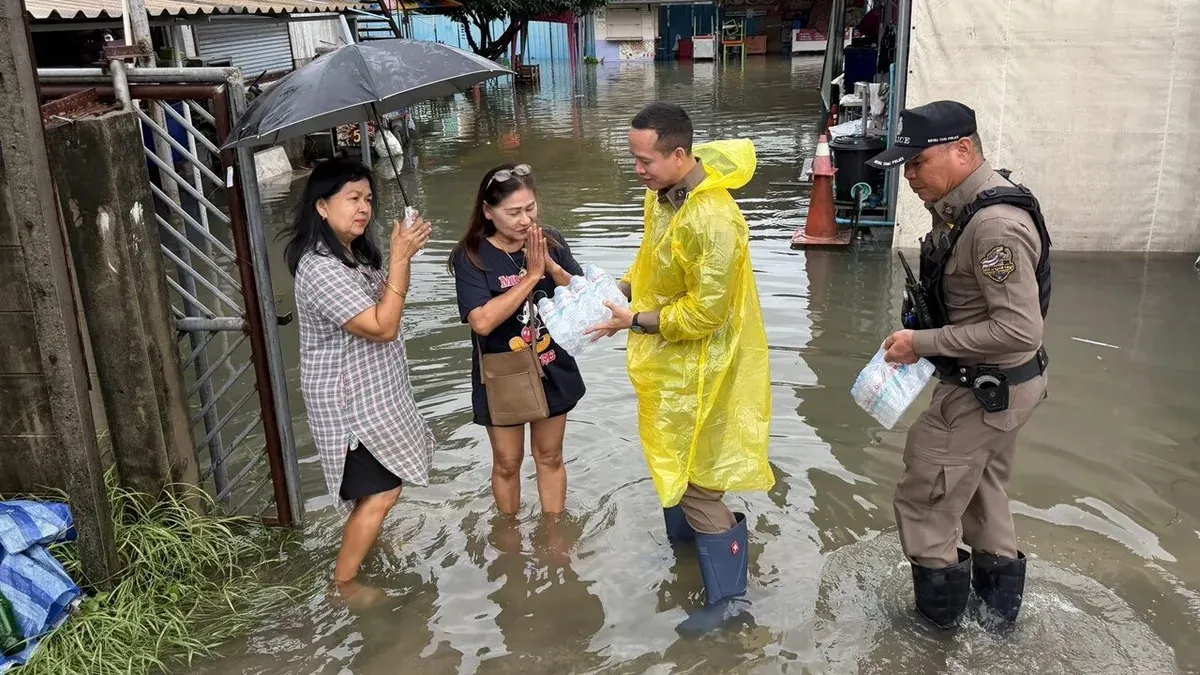
Heavy rains flooded Bangkok and surrounding areas over several days, exposing serious government failures in preparedness and communication after officials initially dismissed flood warnings as fake news. Authorities provided no coordinated
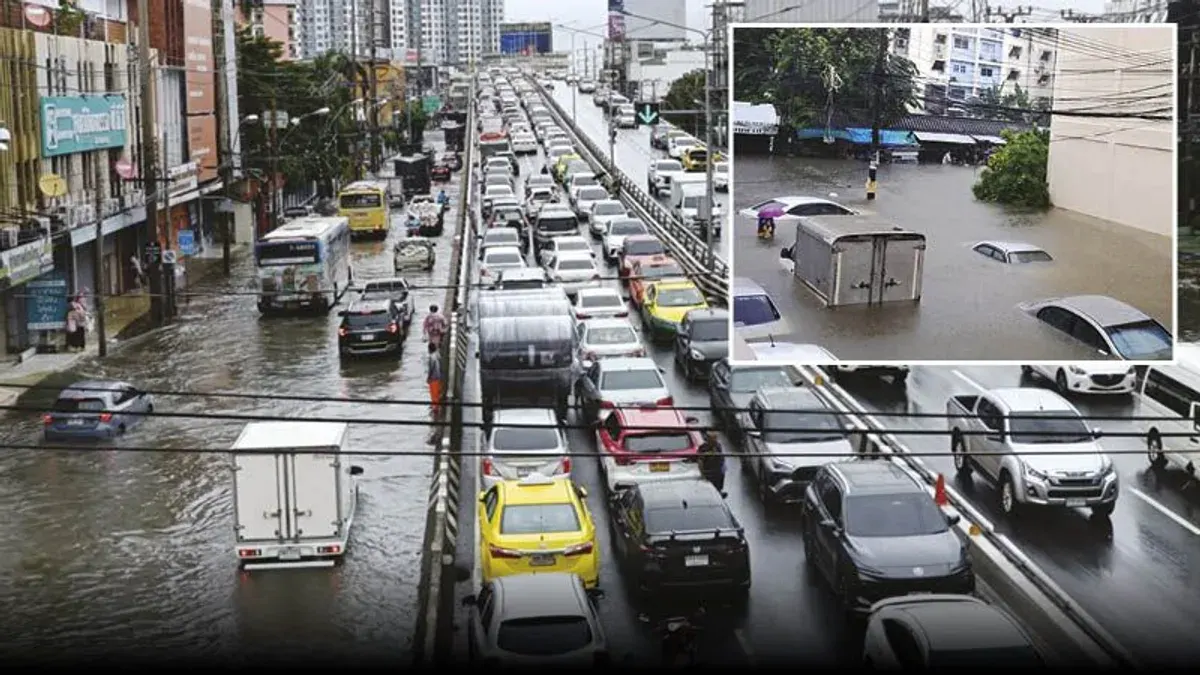
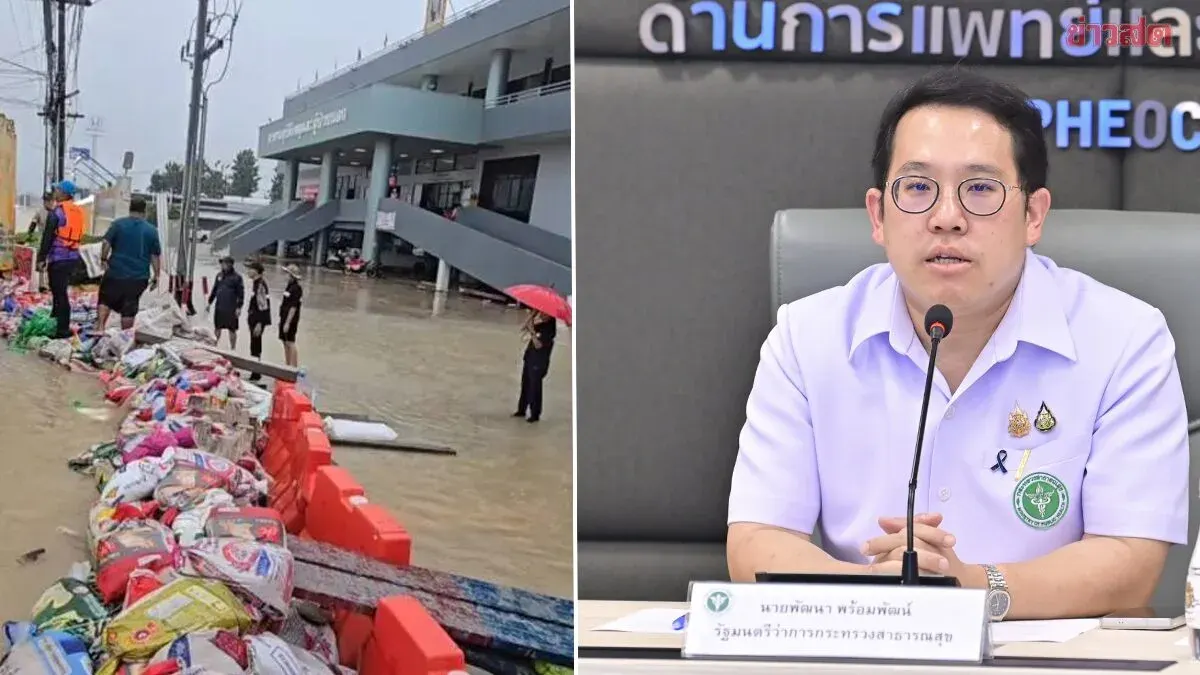
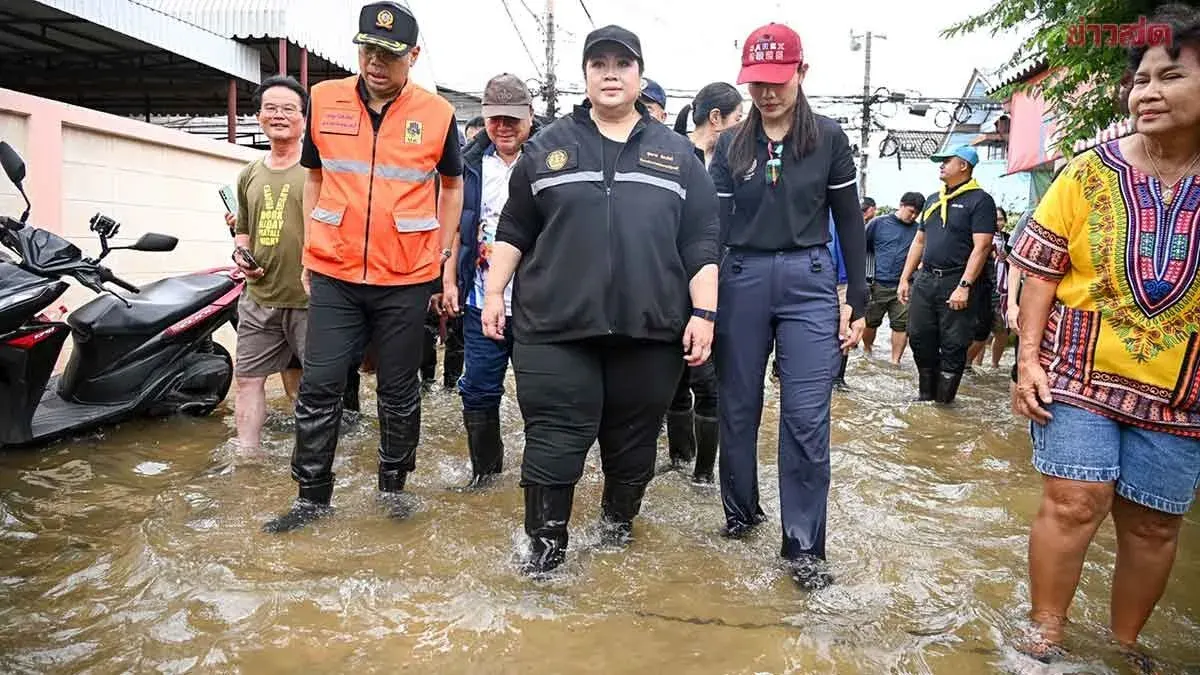
It remains unclear whether the flooding that struck Bangkok and surrounding provinces over the past two to three days qualifies as a major disaster under official definitions, but what is certain is that continuous heavy rain has inundated numerous areas equally, creating widespread public distress evident across media and online platforms.
The incident raises questions about why government agencies appeared to downplay the situation beforehand. Looking back at statements from the deputy prime minister, cabinet members, senior officials, and even meteorology department executives, they dismissed public warnings as fake news, dismissing them as alarmism and insisting that all-day rainfall was impossible and that people should not overreact.
But as time passed, the reality became visible to all.
Moreover, during the crisis there was no government communication whatsoever—people were left to help themselves, with authorities doing nothing beyond their routine duties. Perhaps because the situation does not officially qualify as a crisis, no major mobilization was deemed necessary.
Of course, no one expects the government to command the rain to stop. But it could have prepared better: securing canal drainage systems, mobilizing pumps, coordinating transport, and deploying military personnel to assist. With systematic alerts, residents could have stockpiled food and supplies, protected property, and moved vehicles to higher ground—not waiting until flooding began to issue warnings and only then opening parking areas, which made no sense when vehicles were already swept away by currents.
Relying solely on local authorities will not be enough.
The government must also review the capacity of its agencies—the Meteorology Department and the Department of Disaster Prevention and Mitigation—which spend taxpayer money. How competent are they really? Why do private sector analysts spot warning signs in the same data that government agencies miss or dismiss? They must learn faster and better.
Whatever lessons are drawn, action must follow quickly to fix the entire system comprehensively—not just hand out aid after floods strike, which only invites mockery and imitation.
They must do more than talk and understand that residents do not wish to politicize hardship or score political points.
Do not let Bangkok and its surroundings believe the government is neglecting them, leaving matters to chance because there are no government lawmakers in the affected districts. A government must serve all the people of the nation, not just one group.