Health Ministry Mobilizes Aid for 22 Flood-Hit Provinces
Thailand's Health Ministry has mobilized aid across 22 flood-affected provinces, providing care to over 5,500 vulnerable people including elderly, disabled, and bedridden patients, while distributing nearly 24,000 medicine units and supplie
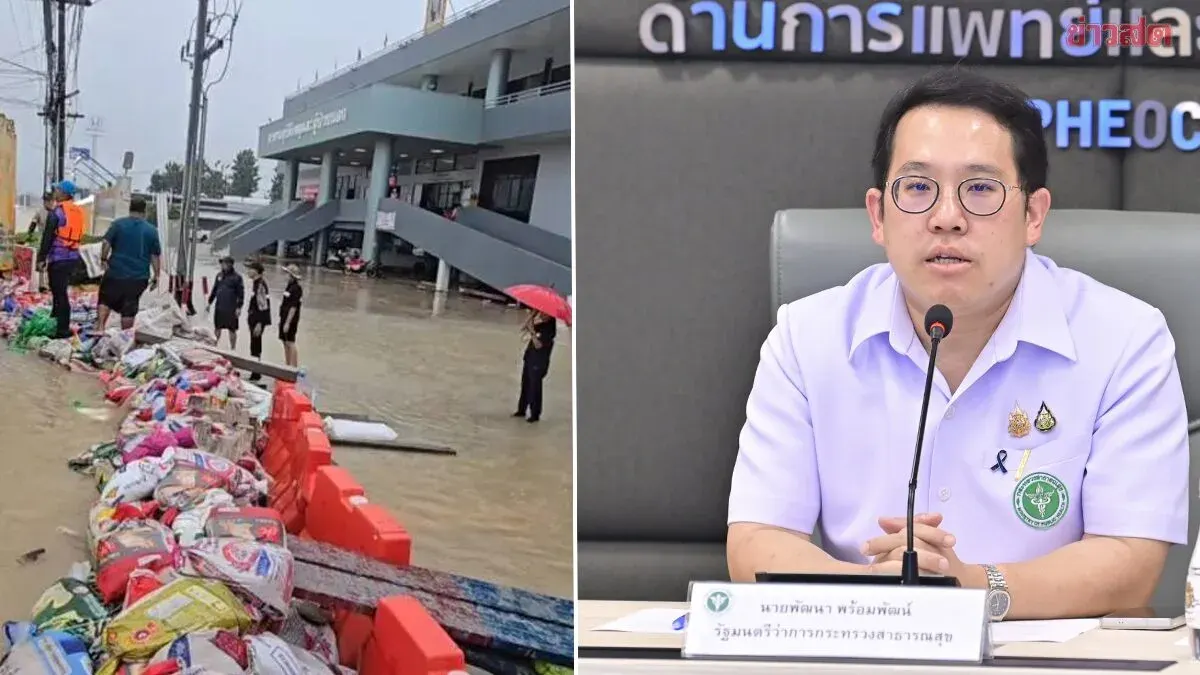
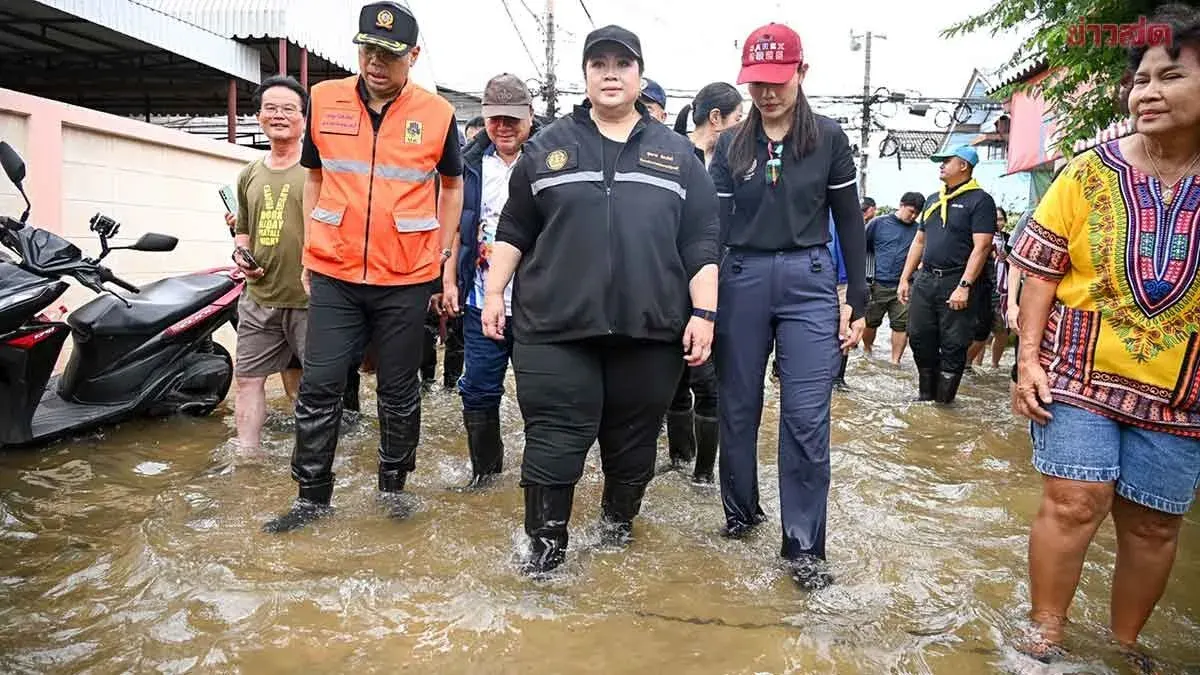
On September 27, Health Minister Pattana Prompan chaired a remote meeting to monitor the flood, windstorm, and landslide situation across 22 affected provinces. The ministry has provided care to 5,512 vulnerable people, including 262 bedridden patients, 8 pregnant women, 251 people with disabilities, 413 children, 2,819 elderly people, 16 dialysis patients, 9 with chronic mental illness, and 1,734 others. Medical services were delivered 4,622 times, including home visits to bedridden and elderly patients, health counseling, medical checkups, medication distribution, patient referrals, and mental health assessments. Of 3,139 people screened, 8 showed high stress levels and received appropriate mental health support. The ministry distributed 23,739 units of medicines and supplies, including 3,258 emergency medicine kits, 1,022 household medications, 15,989 foot-treatment supplies, 10 life jackets, 357 boots, and 3,001 mosquito repellents. The Pharmaceutical Organization maintains hundreds of thousands of additional kits ready for deployment.
The ministry has supported 106 shelters across 8 provinces—Prachuap Khiri Khan, Chanthaburi, Chachoengsao, Sa Kaeo, Samut Prakan, Rayong, Nakhon Ratchasima, and Chon Buri—accommodating 5,105 people, with 1,925 currently using services. Of 32 affected health facilities, 14 operate normally, 2 offer partial services, and 16 are closed. Closed facilities are located in Prachuap Khiri Khan (1), Sa Kaeo (4), Samut Prakan (5), Nakhon Ratchasima (1), and Chachoengsao (5). Each has implemented temporary service arrangements such as emergency-only operations, alternative service locations, and rescheduled appointments. Patients can check service updates via facility websites or Facebook pages or call directly. Closed hospitals coordinate with nearby network hospitals, and provincial health inspectors, public health officers, and hospital directors coordinate with central authorities as needed. Remote areas receive support from neighboring health zones for oxygen, medications, communications, supplies, and fuel. Bangkok's Public Health Department works with the Pharmaceutical Organization to coordinate operations.
Deputy Permanent Secretary Dr. Somruk Chungsaman reported that weather conditions remain high-risk today with heavy to very heavy rain in central and western regions. Bangkok, its vicinity, and the east are experiencing reduced rainfall but occasional heavy downpours. September 28-29 will see decreasing rainfall but continued risk of flash floods, forest runoff, and riverbank overflows, particularly in low-lying and riverside areas. Conditions are expected to improve after September 30. The ministry has adjusted five operational directives: (1) elevate 24-hour alert status in at-risk areas with hospital EOCs prepared to activate and maintain reserves of electricity, clean water, oxygen, medications, supplies, blood, fuel, and communications.