Health Ministry Issues Eight Directives for Round-the-Clock Flood Watch
Thailand's Health Ministry issued eight emergency directives on September 25 to maintain round-the-clock flood surveillance through September 27, with hospitals preparing critical systems and health teams monitoring vulnerable populations a
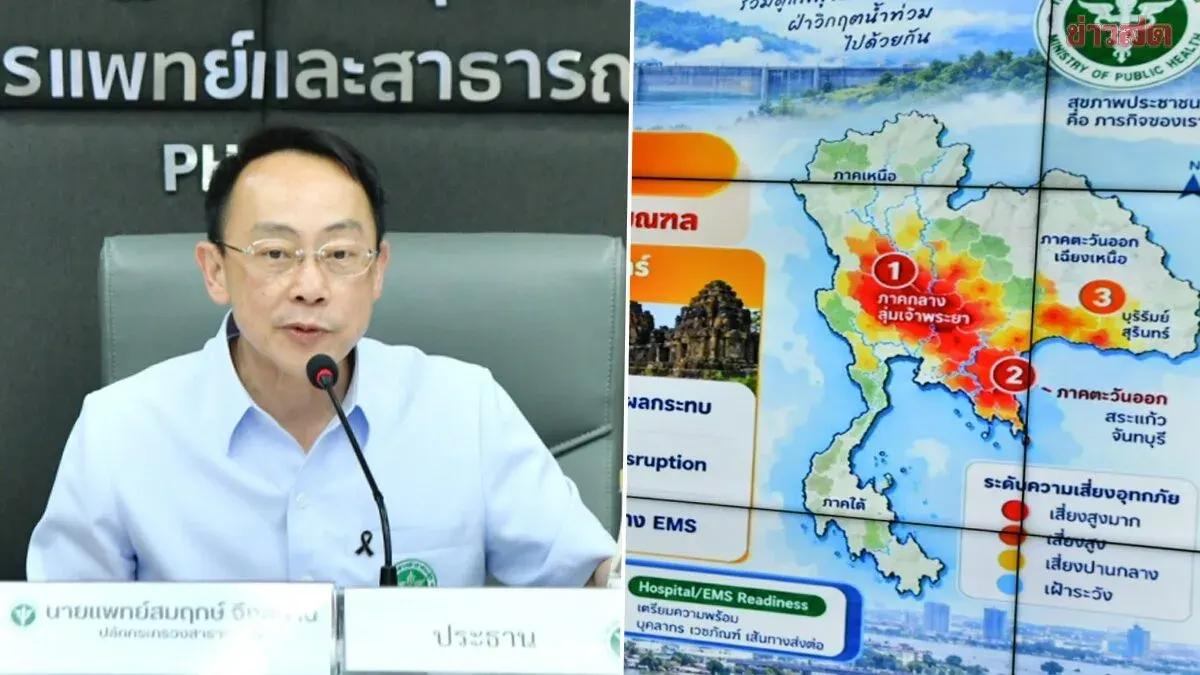
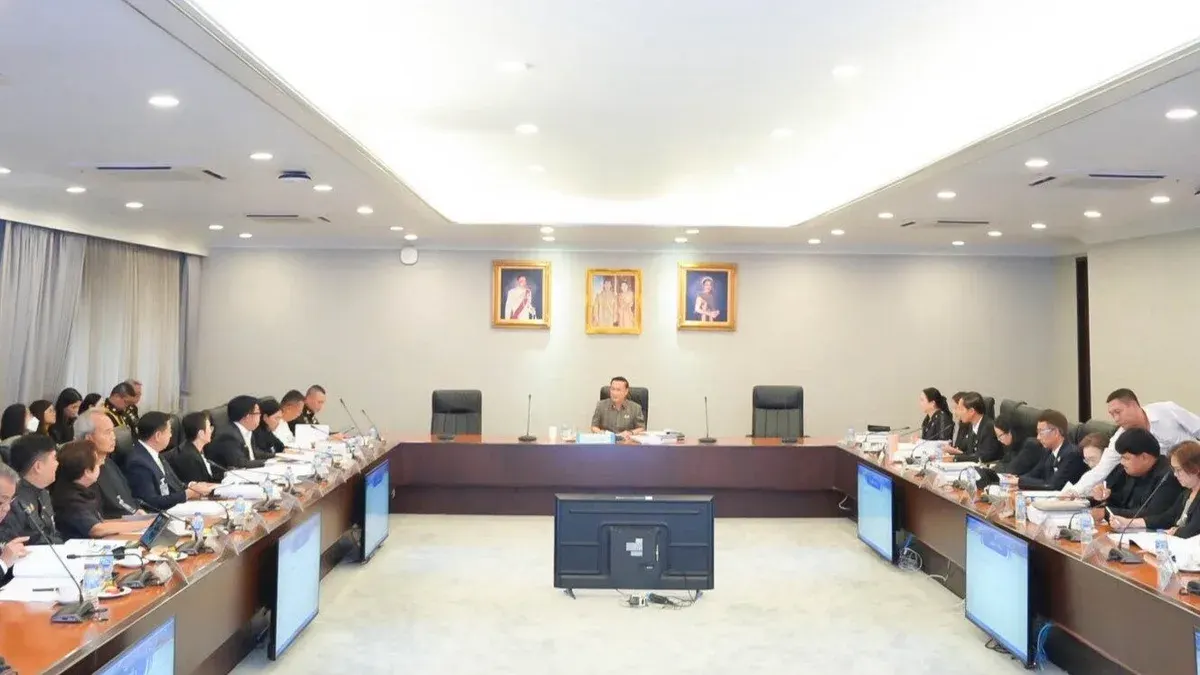
On September 25, Deputy Public Health Minister Somruk Chingsaman announced eight operational directives following a meeting on flood, storm, and landslide management. Heavy rainfall continues across multiple regions of Thailand, creating risks of sudden flash floods, flash flooding, and riverbank overflow. Health Minister Pattana Promphant has directed all at-risk areas to issue critical alerts and maintain heightened vigilance.
The weather outlook shows the Central Region, Eastern Region, and Bangkok Metropolitan Area facing the highest risk on September 25 due to accumulated rainfall and already elevated water levels. Rain will shift toward the Central and Western regions on September 26-27, affecting Kanchanaburi, Suphan Buri, Uthai Thani, and Kamphaeng Phet provinces. Priority monitoring areas include riverfront communities, vulnerable populations, transport routes, and service facilities.
The eight directives issued include: all health districts and at-risk provinces must maintain 24-hour surveillance through at least September 27, with health regions 3, 4, and 6 opening emergency operations centers. Health regions 3 and 4 must closely monitor water levels, at-risk communities, hospitals, and emergency medical routes in the Chao Phraya basin, particularly around Ayutthaya, Pathum Thani, and Rangsit. Health region 6 must monitor Chanthaburi and Sa Kaeo provinces.
All hospitals in at-risk areas must prepare critical systems for at least 72 hours, including power supply, backup generators, fuel, clean water, oxygen, medicines, medical supplies, blood, food, IT and communications, staff, and alternate transfer routes while maintaining safe operations. Safety assessments of electrical systems, water around structures, entrances and exits, and ambulance routes must be repeated. Vulnerable groups including the elderly, disabled persons, bedridden patients, dialysis patients, oxygen users, and those requiring continuous medication must receive enhanced care with updated lists and advance mobility plans. Health teams must immediately assess all shelter and evacuation centers for clean water, drinking water, food, infectious disease control, personal medications, mental health support, and vulnerable population care.
All provinces must check and report EMS and medical referral routes that are blocked or at risk of being cut, while establishing backup routes, patient transfer points, supporting vehicles or boats, and destination hospitals before incidents occur. Immediate reporting is required for critical events including water entering hospital areas, power/water/oxygen system failures, blocked EMS routes, required evacuations, deaths or missing persons, or service interruptions—without waiting for routine reporting schedules.