Bridging Thailand's Disaster Alert Communication Gap
Thailand's September 2025 flooding exposed gaps between government disaster alerts and community weather pages, revealing the public trusts whoever communicates threats clearly and actionably rather than through technical jargon.
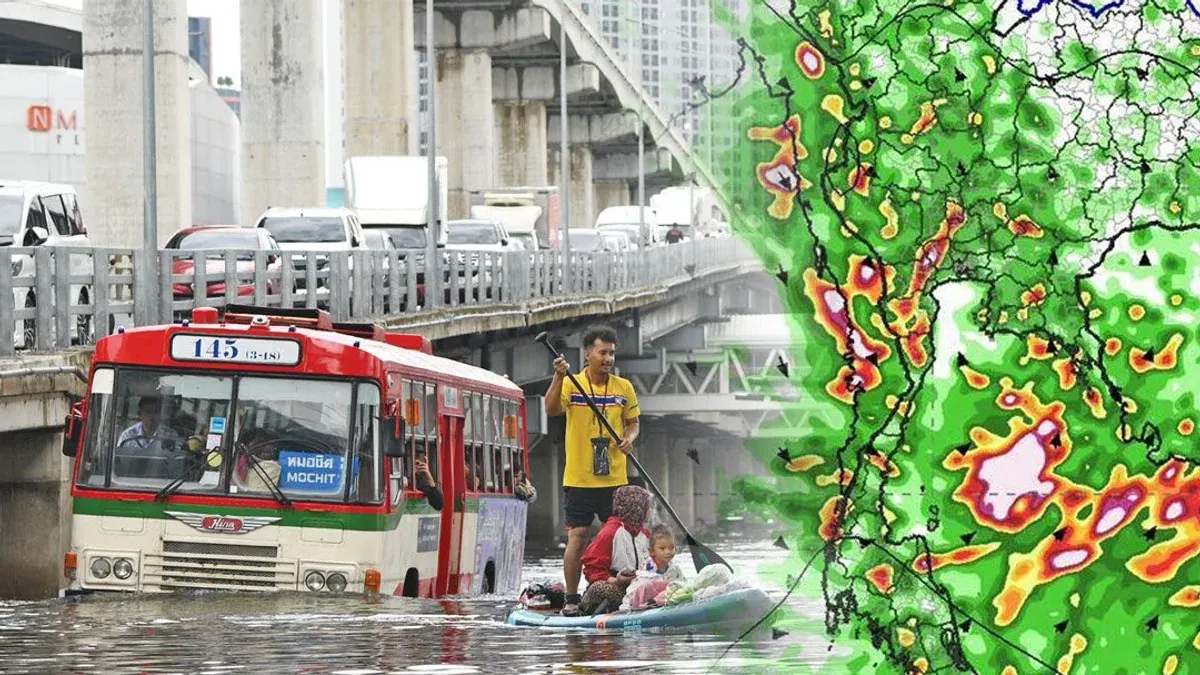
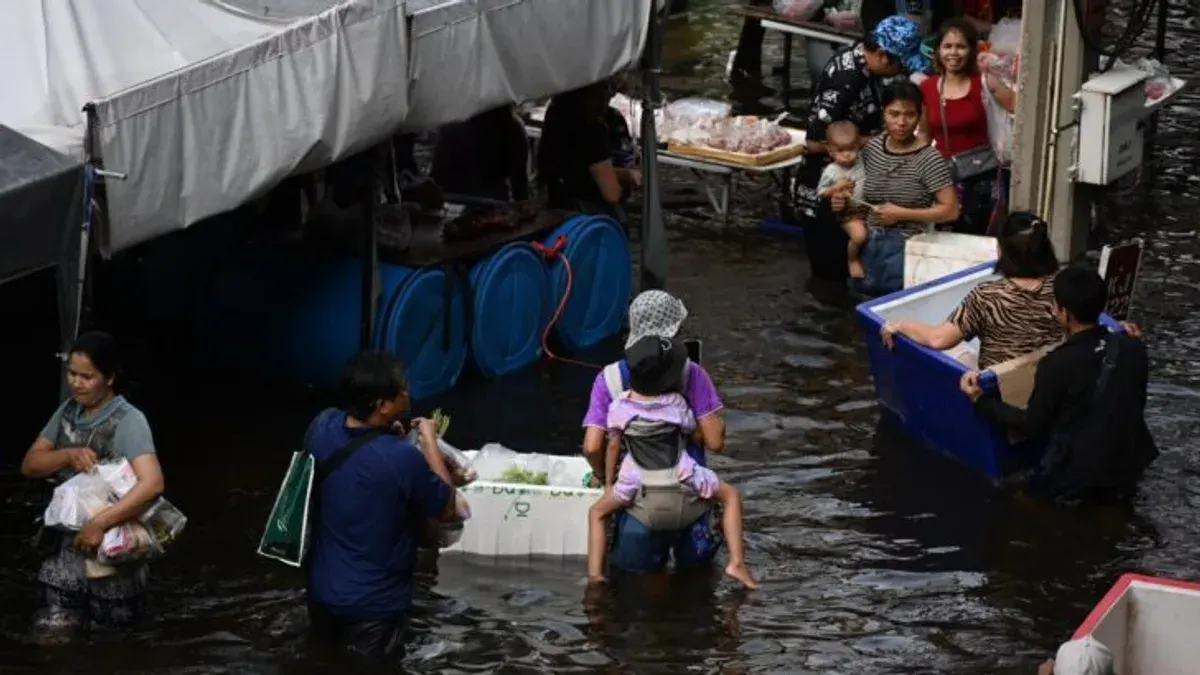
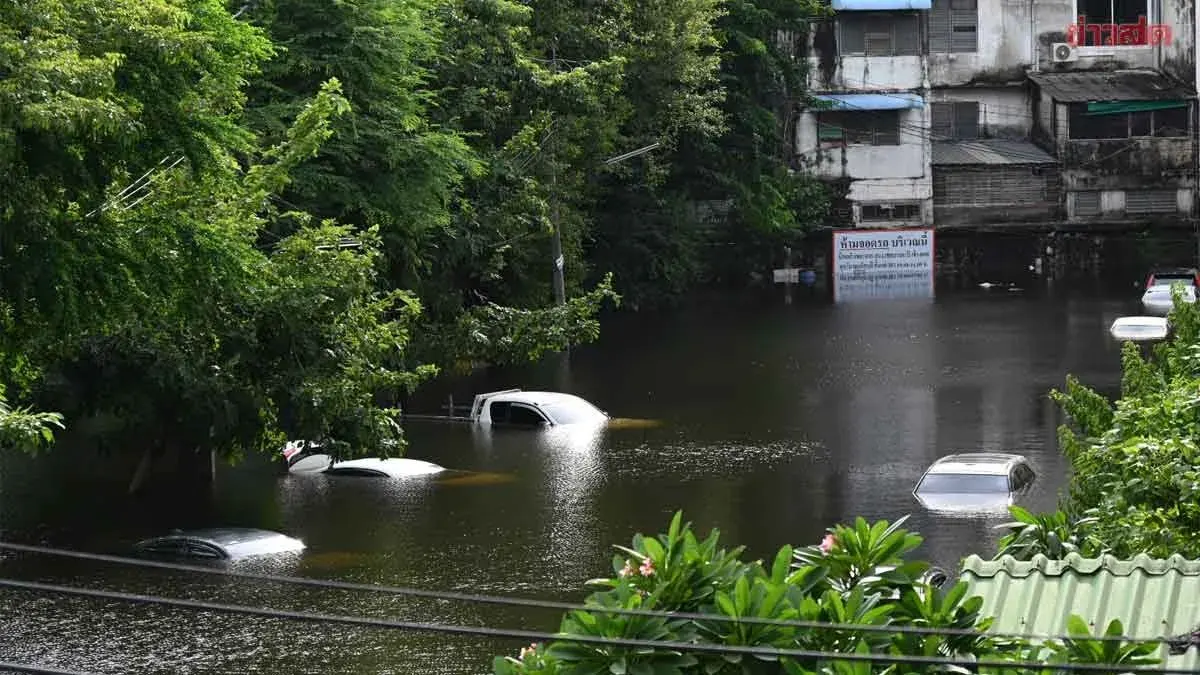
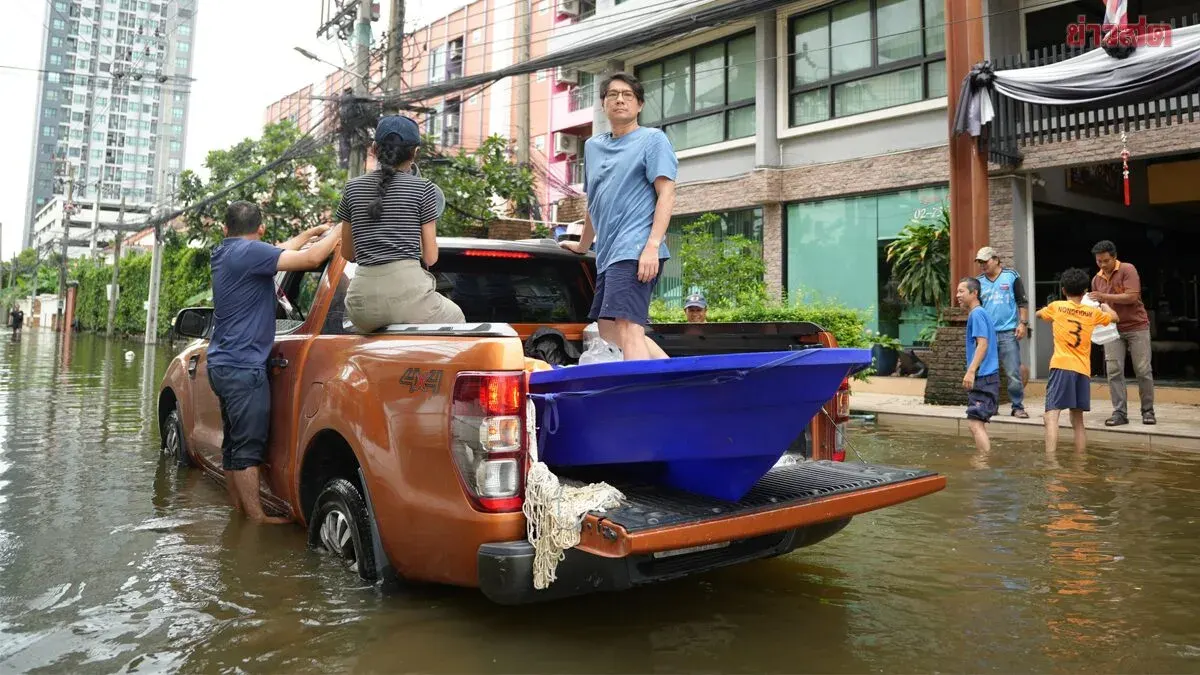
A clash between community weather forecast pages and government agencies during Thailand's major 2025 flooding crisis in late September reveals a deeper problem: the communication gap in disaster warning systems between the state and the public.
The issue is not about who has more accurate information, but whether that information reaches people quickly, clearly, and in actionable form.
Although the state has extensive tools, personnel, and monitoring systems, its warnings often use technical language and broad alerts without clear instructions on what to do. In contrast, community pages use simple, direct language focused on practical action—such as telling people to move belongings to high ground or prepare for water. When flooding strikes multiple areas, people trust whoever warned them clearly and helpfully.
However, community pages face legitimate criticism. Terms like "mega-flood" can cause panic without sufficient scientific backing, and questions arise about data sources and accountability if forecasts prove wrong—since community pages lack the accountability standards and responsibility frameworks of government agencies.
This episode teaches us that accurate information only matters if it reaches the public in time. The solution lies in system reform, not escalating conflict.
The government should establish a verifiable information center using plain, clear language—specifying risk areas, timing, what will happen, and what people must do—and distribute it through mobile phones, social media, local radio, and community networks. Crucially, the state should partner with community and local media as alert-distribution networks based on official data, with correction mechanisms as situations change.
What damaged public confidence in the state was choosing legal arguments and wholesale rejection of community page information, rather than acknowledging communication limitations and adopting the community pages' clear, accessible, and actionable communication strengths to close the gap between government and public.
This lesson is not about right or wrong, but about building a fast, clear, easy-to-understand alert system. Although the causes of 2025 flooding across multiple provinces and Bangkok differ from 2011, effective warnings that reach at-risk populations swiftly and in time remain a critical challenge.
Government agencies must learn, improve, and adapt to restore public trust in official disaster information when the next crisis strikes.