Operation Northern Shadow Exposes Fake ID Network
Police launched Operation Northern Shadow, exposing a fraud network that used fake ‘head‑zero’ ID cards to obtain Thai citizenship and rights. The crackdown across Chiang Rai and Bangkok led to the arrest of 24 suspects, including Chinese, Thai and Myanmar nationals, and uncovered hundreds of millions of baht in illicit funds. Investigations linked the scheme to government officials and revealed connections to real‑estate businesses.
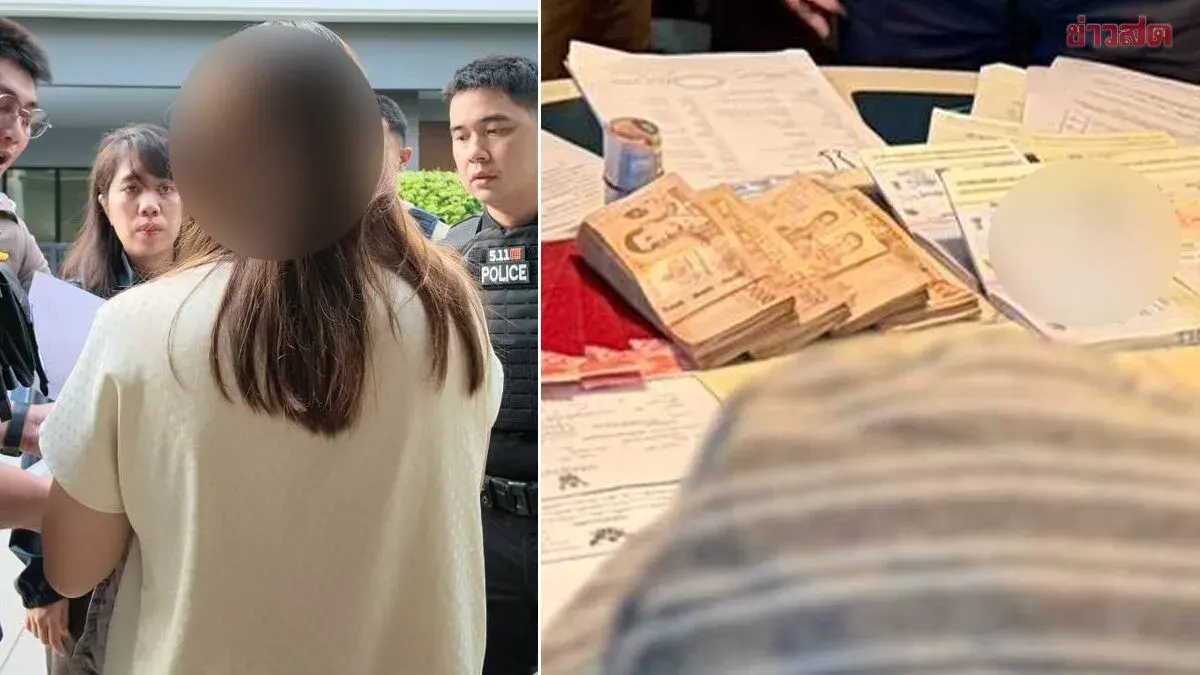
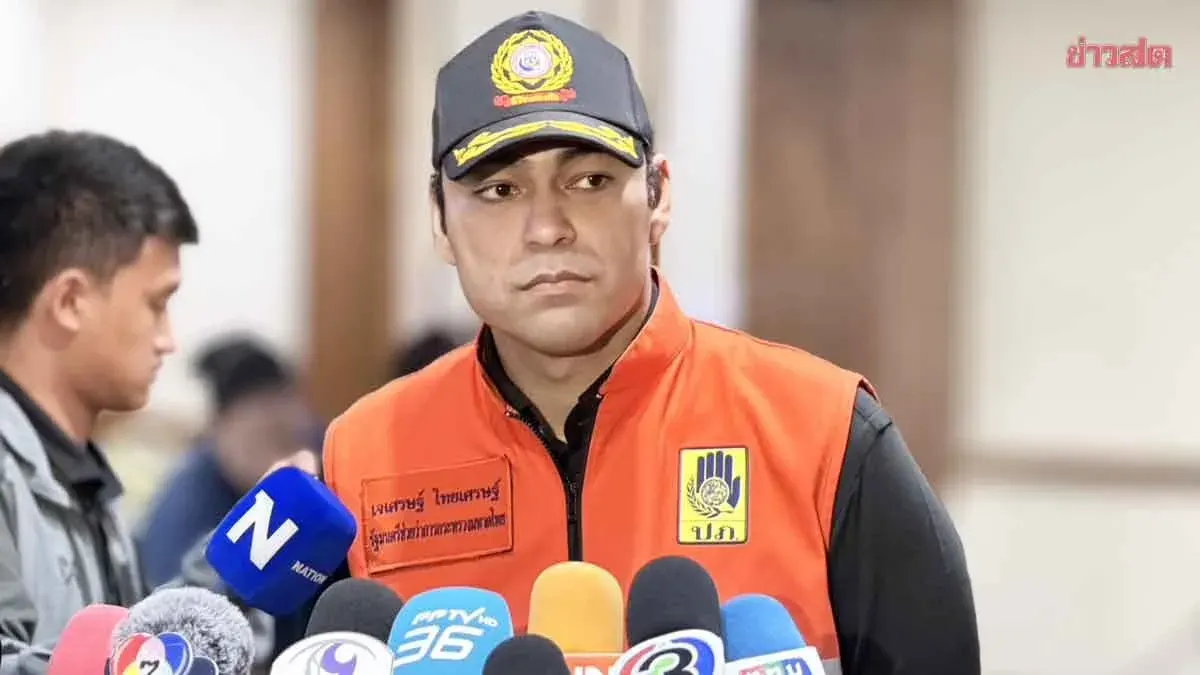
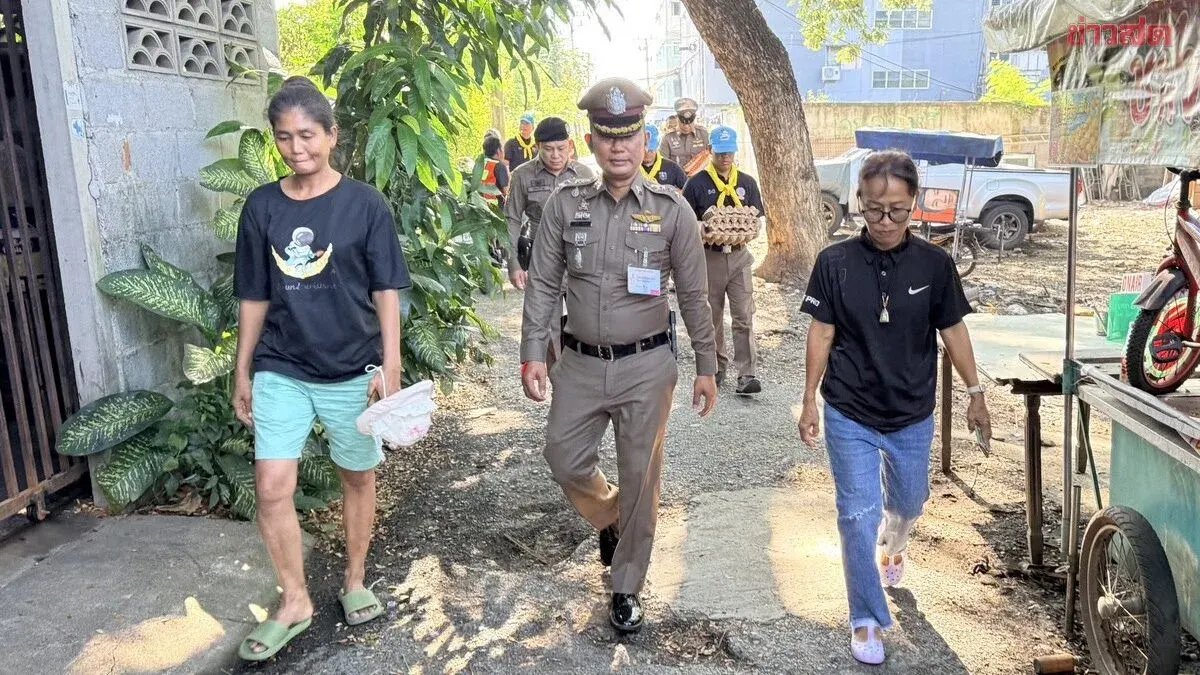
Police launched Operation Northern Shadow to trace four key figures involved in fraudulent use of 'head-zero' identification cards, uncovering a network linked to red notices and hundreds of millions of baht in circulation. On 9 October 2069, Police General Sanran Nuanma ordered Pol. Lt. Gen. Nophasit Pholsawat of the Immigration Bureau and Pol. Lt. Gen. Siam Boonsom of the Metropolitan Police, together with immigration officers, metropolitan investigators, the Department of Provincial Administration’s N.I.C.E. unit, the Anti-Money Laundering Office, and the National Anti-Corruption Commission, to carry out the operation. The crackdown targeted a civil‑registry fraud ring in northern Thailand before expanding to Bangkok, with searches in a Wang Thonglang village residence leading to the homes of suspect Yi Long and Jin Gui, charged with improper child registration and unlawful acquisition of Thai nationality.
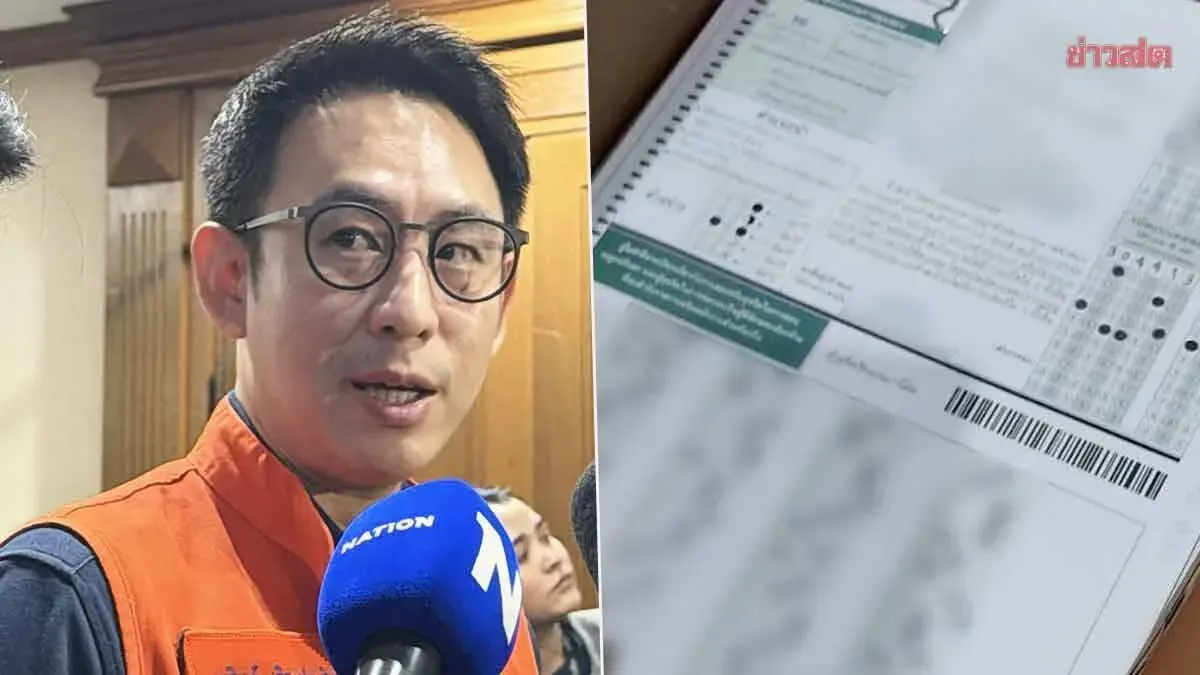
Pol. Lt. Gen. Nophasit said the investigation followed joint police and provincial administration efforts to combat civil‑registry fraud, examining networks that illegally obtain identity documents in Wiang Kaen and Mae Sai districts of Chiang Rai province. Authorities linked document suppliers, endorsers, household brokers, and government officials, identifying 36 people involved. Courts issued 15 arrest warrants and seven search warrants; 24 suspects have been detained—five under warrants and 19 caught in the act—including three Chinese nationals, two Thais, and nineteen Myanmar nationals.
Further investigation revealed four main targets with distinct patterns but all connected to obtaining Thai personal status, identity documents, and related rights.
The first target, Yi Long (also known as Ah Long), holds a Thai ID card beginning with the digit 5 and had his name added to the household register in Wiang Kaen, Chiang Rai. The inquiry began after a Thai boy prepared to travel to China with Yi Long and a Chinese woman, but the father’s name on the documents did not match. A DNA test later confirmed Yi Long as the biological father, prompting scrutiny of the person who endorsed the name addition and the source of the card, revealing civil‑registry fraud to create a Thai identity for business. Preliminary checks showed around 581 million baht circulating in accounts linked to Yi Long and his wife, plus assets including houses, land, and luxury vehicles valued at over 312 million baht under review. Connections to a real‑estate company were also found.
The second target, a Myanmar national referred to as Nai Luang, possessed a ‘head‑zero’ card—issued to persons without registered status—after living in Thailand and previously ordaining as a monk in Mae Sai district. The case stemmed from 23 June 2069, when officers found more than 23 million baht in cash hidden in a vehicle bound for Myanmar without proper customs procedures. The money trail led to the card’s source, endorsers, and the temple where he had stayed, uncovering several foreign monks and novices with immigration issues; 20 people were arrested, including the abbot.
The third target, a Chinese national identified as Li Zhijun, is subject to an INTERPOL red notice for illegal deposit‑taking in China, causing losses of over 3 billion yuan (about 15 billion baht) and affecting more than 3 000 victims. Investigators found that Li Zhijun holds a ‘head‑zero' card and is registered in Mae Sai district, Chiang Rai. Police extended the inquiry to brokers, household heads, village leaders, and others who helped prepare the documents.
Additionally, authorities discovered further links between the fraud network and local businesses, though the investigation is ongoing.